Navigating the rich, complex flavours of Eastern European cuisine requires a careful, evidence-based approach for those managing intestinal failure or recovering from a transplant. In this article, you will learn how to safely incorporate traditional staples like Borscht and buckwheat into your diet while managing specific digestive sensitivities and nutritional requirements. We provide practical preparation tips and clinical insights to help you enjoy these culturally significant dishes without compromising your intestinal health or recovery progress.
Eastern European foods are essentially a diverse culinary tradition prioritising root vegetables, hearty grains, and fermented ingredients, which can be adapted to support digestive stability. For transplant patients, the primary goal is to balance the high nutrient density of these dishes with the physical requirements of a recovering gastrointestinal tract, focusing on preparation methods that enhance digestibility and minimise the risk of obstruction. Ever wondered if that bowl of hearty stew actually fits into your recovery plan? Understanding how these regional staples interact with your specific intestinal anatomy is the first step toward reclaiming both your cultural heritage and your physical well-being.
Core Staples and Nutritional Profiles of Eastern European Cuisine
The foundation of this dietary pattern rests on staple ingredients such as cabbage, potatoes, beets, buckwheat (kasha), and various proteins like pork, beef, and poultry, all of which provide a baseline of essential vitamins and minerals. These core components—specifically the complex carbohydrates found in wheat, barley, and rye—offer the fibre and energy required for systemic recovery, provided they are prepared with an understanding of individual transit capacity. When you look at the landscape of Eastern European foods, you see a reliance on ingredients that have sustained generations; however, the modern patient must view these through the lens of surgical recovery and graft function.
Key Ingredients and Their Clinical Significance in European Food
Root vegetables and grains, including potatoes, beets, and cabbages, are the backbone of this cuisine and serve as vital sources of potassium, vitamin C, and folate, which are critical for patients recovering from surgery. While these ingredients are nutrient-dense, their fibre content must be carefully managed; for instance, the complex carbohydrates in whole-grain kashas and rye bread are excellent for blood sugar stabilisation, yet they should be introduced gradually to ensure they do not cause discomfort in a sensitive or newly transplanted gut. I often remind patients that the goal is not to eliminate these staples but to master the cooking techniques that make them bioavailable and gentle on your system.
Balancing Health Benefits and Dietary Risks in Eastern European Food
The diet offers significant clinical advantages through the consumption of herring, which provides essential anti-inflammatory omega-3 fatty acids, alongside probiotics found in kefir and fermented cabbage that strengthen the intestinal barrier. However, one must remain vigilant as high consumption of pork lard, high-fat sour cream (smetana), and heavy sodium intake is linked to elevated blood pressure and potential heart disease. Post-transplant recovery is a journey, and managing your nutrition is a huge step toward getting back to normal life. You need to be aware that while the tradition is hearty, the modern medical necessity for lower fat and lower salt intake must take precedence in your kitchen.
| Food Category | Potential Benefit | Cautionary Note |
|---|---|---|
| Fermented Items | Probiotics for gut flora | High salt content |
| Buckwheat/Rye | Complex carbs/Energy | High fibre density |
| Cured Meats | Protein | Linked to chronic illness |
Regional Diversity in Polish Pierogi and Lithuanian Varenyky Culture
Eastern European food culture is defined by distinct regional signatures that reflect local agricultural practices, with Northern and Slavic regions leaning toward fermented profiles, while Balkan and Hungarian areas favour more complex, spice-heavy compositions. Recognising these differences allows patients to select dishes that align with their current digestive tolerance and nutritional goals without needing to eliminate entire culinary categories. It is about understanding the geography of your plate and choosing the components that serve your health best.
Slavic Traditions Including Ukrainian Borscht
This region is characterised by a unique flavour profile dominated by fermented foods, such as sauerkraut and brined cucumbers, alongside signature dishes including Russian pelmeni, beef stroganoff, and solyanka. The reliance on these preserved items provides natural lactic acid bacteria, which can be beneficial for gut flora, though patients must ensure that the salt content used in the brining process is kept within their prescribed limits to prevent fluid retention or blood pressure fluctuations. In my experience, focusing on the broth-based elements of these dishes provides the best balance of flavour and ease of digestion for those with delicate intestinal linings.
Hungarian, Georgian Khachapuri, and Balkan Cheese Specialties
Hungarian cuisine is distinguished by its use of sweet peppers, wheat flour noodles, and lard, resulting in signature dishes like goulash, chicken paprikash, and bread dumplings, whereas Georgian dishes like Khachapuri offer a different set of staples including melted cheese and eggs. Signature Balkan dishes such as cevapcici, pljeskavica, sarmale, and ciorbă provide robust protein sources, but due to their typically heavier preparation and higher fat content, they should be approached with caution by anyone managing malabsorption or fat-intolerance issues. Moderation is your best ally when navigating these richer, more complex regional flavours.
Practical Preparation Methods for Sensitive Digestion and Smoke Flavours
Authentic Eastern European meals can be made safe and digestible at home by utilising specific cooking techniques that modify the texture and chemical composition of the food. By focusing on slow-cooking and controlled seasoning, you can extract the cultural essence of these dishes while protecting your digestive tract from unnecessary mechanical or chemical stress. Preparing Eastern European foods at home gives you total control over the additives and the cooking duration, which is exactly the level of detail a transplant patient needs.
Adapting Traditional Cooking for Gut Recovery and Wafer Textures
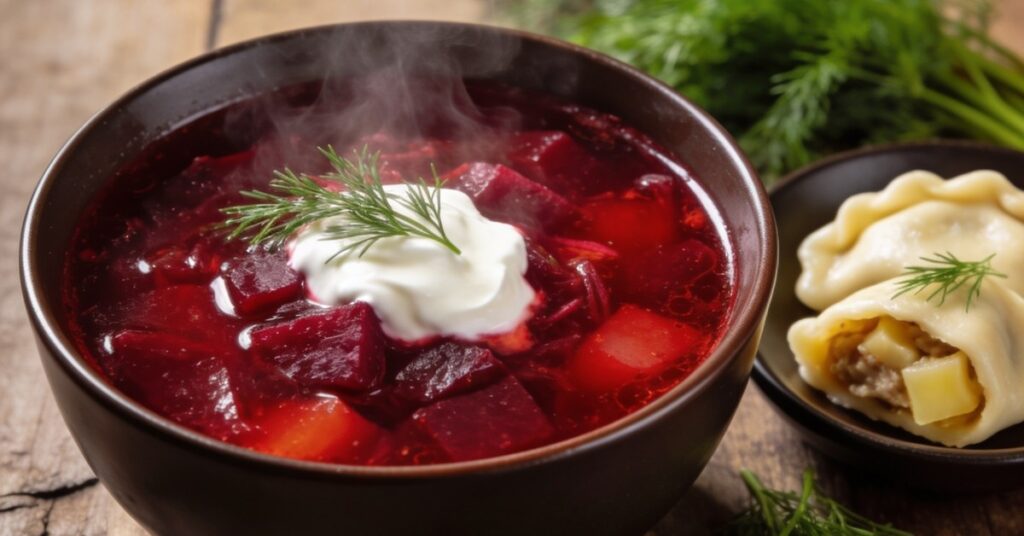
To prepare authentic meals safely, you should simmer shredded beets, carrots, onions, and cabbage to create a gentle, nutrient-rich Borscht, and add a splash of lemon juice or vinegar to the broth to enhance flavour without relying on excess salt. When preparing cabbage rolls, ensure you wrap boiled cabbage leaves—which are more tender and easier to digest than raw versions—around a mixture of ground pork or beef and rice, providing a balanced protein and carbohydrate intake that is generally well-tolerated by the recovering gut. The secret is breaking down the cellular structure of the vegetables through long, slow heat application.
- Consult your transplant dietitian before introducing new, complex ingredients.
- Monitor your daily intake to track any signs of digestive discomfort or bloating.
- Keep a food diary to correlate specific dishes with your gut response.
Safety Precautions for Post-Transplant Patients Regarding Smoke and Curing
Preparation safety is paramount; Pierogi dough circles should be filled with potato and Cheese or minced meat mixtures, and it is essential to seal the edges tightly before boiling and pan-frying with a minimal amount of butter and onions to prevent the filling from leaking and becoming difficult to clear from the digestive tract. Furthermore, using 1 tbsp of sweet ground Hungarian paprika for seasoning provides depth without the irritation of hot spices, while incorporating both fresh cabbage and fermented sauerkraut into braises allows you to enjoy the benefits of probiotics while ensuring the vegetables are cooked to a soft, manageable consistency.
Remember: Always maintain consistent immunosuppression medication schedules alongside your dietary changes, as some foods or large variations in sodium intake can impact how your body processes your essential transplant medications. Your health is the priority, so never hesitate to ask your medical team specifically about new ingredients you are curious about.
Frequently Asked Questions
Can I safely consume fermented vegetables if I have a sensitive gut?
Yes, fermented vegetables can be consumed in small, controlled portions, provided they are cooked thoroughly to soften the fibre. Starting with a tablespoon of cooked sauerkraut in a soup can help you assess your tolerance without overwhelming your system.
Are there specific types of Cheese that are easier to digest after a transplant?
Fresh, mild cheeses like quark or cottage cheese are generally better tolerated than aged or hard varieties. These soft options provide excellent protein content without the high fat and salt concentrations found in more mature, artisanal dairy products.
How should I modify recipes involving smoke or cured meats?
It is best to minimise the use of heavily smoked or cured meats, as these are often high in nitrates and sodium that can stress the kidneys and liver. Instead, opt for fresh, lean cuts of poultry or white fish seasoned with gentle herbs like dill to mimic the aromatic qualities of traditional recipes.
Is it possible to enjoy traditional pastries without digestive distress?
You can enjoy traditional pastries by opting for small, portion-controlled servings and choosing fillings that are lower in fat and sugar, such as stewed fruit or light cheese. Ensure the dough is well-baked and avoid deep-fried options to keep your digestive tract comfortable and prevent post-prandial fatigue.
Conclusion
Integrating these culinary traditions into your recovery requires a measured approach that prioritises the tenderness of ingredients to ensure they remain compatible with your digestive tract. Always verify the sodium and fat content of your homemade meals to keep your health protected while you safely enjoy the diverse flavours of the region.