For patients navigating the complexities of post-transplant recovery or chronic intestinal conditions, understanding how everyday condiments like pesto impact your digestive comfort and nutritional goals is vital. In this guide, I will break down the nutritional profile of this popular sauce, helping you distinguish between store-bought additives and gut-friendly homemade alternatives. You will learn practical strategies for portion control and ingredient modifications to ensure your diet remains both flavourful and safe for your unique digestive needs.
When patients ask me, „Is Pesto Sauce Healthy?”, I always explain that it can be a fantastic addition to a balanced diet, provided it is consumed in moderation and chosen based on ingredient quality. While it is a nutrient-dense source of monounsaturated fats and essential micronutrients, its high calorie and fat content mean it should be treated as a flavour-enhancing condiment rather than a primary food source, especially for those managing complex digestive health requirements.
Is pesto sauce healthy?
An overview of pesto nutrition
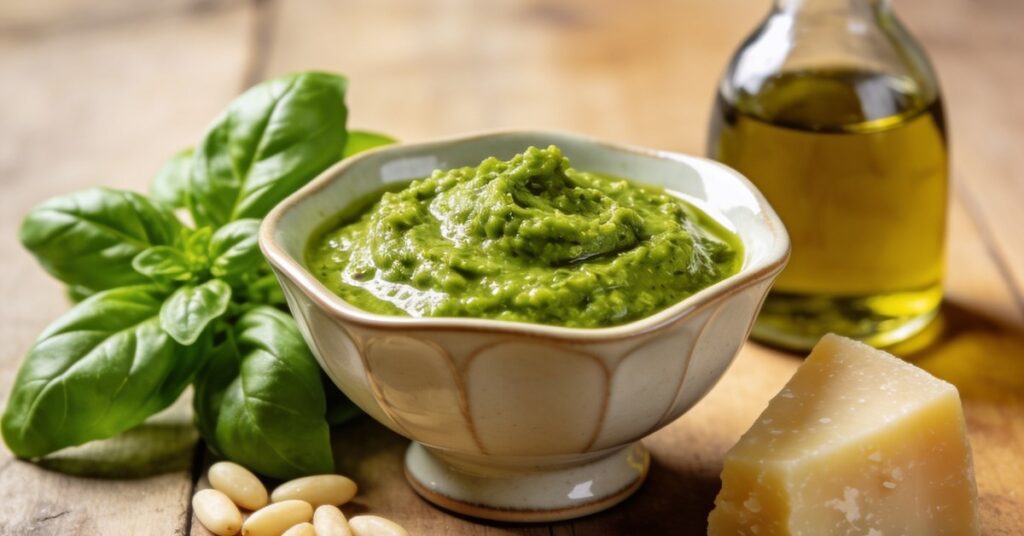
Generally speaking, pesto is considered a nutritious addition to your diet. It is crafted from wholesome, natural ingredients such as fresh basil, extra virgin olive oil, garlic, nuts, and Parmesan cheese. While it offers a wealth of antioxidants and heart-healthy fats, it is important to be mindful that it can be relatively high in both calories and sodium content.
Key nutritional components
When consumed in sensible amounts, pesto provides several health-promoting nutrients:
- Heart-healthy fats: The extra virgin olive oil and pine nuts are excellent sources of monounsaturated fats, which are known to support cardiovascular health.
- Antioxidants: Ingredients like garlic and basil contain powerful plant compounds that help the body combat inflammation and oxidative cellular damage.
- Essential nutrients: Parmesan cheese serves as a valuable source of protein and calcium, both of which are vital for maintaining bone strength.
Nutritional profile
A typical portion of pesto contains a significant amount of fat, though the majority of this consists of unsaturated, heart-friendly fats. Per 100 grams, pesto typically provides approximately 396 kcal. Because of this high energy density, it is essential to monitor your intake carefully.
Pesto and weight management
Due to the inclusion of oil, nuts, and cheese, pesto is a calorie-dense food. However, this does not mean it cannot be part of a weight-loss plan. It is entirely possible to incorporate it into a balanced diet by following these practices:
- Portion control: Use a restricted serving size, typically one to two tablespoons, to add flavour without overconsuming calories.
- Scrutinise labels: When purchasing pre-made versions from the supermarket, check the back of the jar to identify options with lower sodium levels.
- Homemade preparation: By preparing pesto at home, you have complete control over the quantity of salt and the quality of the ingredients used.
Potential drawbacks
While nutritious, store-bought varieties can occasionally hide excessive amounts of salt. Furthermore, because of the high calorie count, consuming large quantities may hinder progress towards specific weight management goals. Moderation remains the most important factor in enjoying this classic condiment.
The Nutritional Profile and Health Benefits of Basil Pesto
Basil Pesto is a traditional Genoese sauce dating back to the 16th century, primarily composed of fresh basil, pine nuts, Parmesan cheese, and extra virgin olive oil. From a nutritional perspective, it is a dense source of energy; a 1/4-cup serving provides approximately 263 calories and 24 grams of fat. While a 1-tablespoon serving contains just under 1 gram of carbohydrates, it packs 100–120 calories, making portion awareness essential.
| Nutrient | 1-Tablespoon Serving |
|---|---|
| Calories | 100–120 kcal |
| Carbohydrates | < 1g |
| Key Benefits | Vitamin E, Iron, Magnesium |
The health benefits stem from its core ingredients: Parmesan cheese contributes calcium and protein, whilst the herbs and nuts provide vital nutrients. Furthermore, the combination of olive oil and nuts offers high levels of monounsaturated fats, which are generally easier for the body to process than saturated alternatives when consumed in appropriate amounts.
Managing Pesto Sauce Intake for Weight and Calorie Control
Pesto can support weight management goals when portion sizes are strictly limited to 1–2 tablespoons per meal. Because a standard two-tablespoon serving contains 130–200 calories and 2 grams of protein, treating it as a concentrated flavour booster rather than a main component of your plate helps maintain a healthy calorie balance.
Ever wondered if this fits into your recovery plan? For those monitoring heart health and cholesterol, it is important to note that a 1/4 cup serving typically contains 4 milligrams of cholesterol. Whilst the monounsaturated fats in olive oil support healthy HDL cholesterol levels, the Parmesan or Pecorino cheese adds saturated fat. To benefit from these nutrients without overdoing the intake, stick to a recommended portion of 50g per person. If you are looking for a „skinny” version, blending low-fat cottage cheese with fresh basil is an effective way to lower the calorie count while maintaining a satisfying, creamy texture.
Comparing Homemade Pesto Recipe Options with Commercial Sauce
Homemade Pesto is significantly healthier than most store-bought varieties, as it avoids the fillers and processed oils often found in mass-produced jars. Post-transplant recovery is a journey, and managing your nutrition is a huge step toward getting back to normal life; in my experience, taking five minutes to whip up a batch at home beats reading a confusing label in the supermarket any day.
Important: Always check the label for hidden additives like potato starch, citric acid, or added sugars, which can be irritating to a recovering digestive tract. When selecting a shop-bought jar, check the basil concentration; brands like Galiko (58% basil) offer a more authentic profile compared to options like Jamie Oliver Green Pesto (38% basil).
Adapting a Healthy Pesto Recipe for Dietary Restrictions
Pesto is highly adaptable for various dietary needs, provided you make simple ingredient substitutions to suit your specific gut health requirements. Traditional Pesto is naturally gluten-free; however, because it typically contains garlic, it is not low-FODMAP and may cause discomfort for those with specific sensitivities. To tailor it, follow these simple preparation steps:
- Dairy-Free: Swap Parmesan for nutritional yeast or high-quality vegan cheese.
- Nut-Free: Replace pine nuts or Walnut options with toasted pumpkin or sunflower seeds.
- Sodium Control: Use no-salt-added ingredients, especially for children or those on a restricted sodium intake.
For those recovering from intestinal failure or surgery, homemade sauce is naturally lower in potassium compared to commercial jars. Always aim for that 50g per person serving limit to ensure your gut handles the fats and herbs without distress.
Maximising Nutritional Value Using Kale and Healthy Ingredients
The healthiest Pesto is one that prioritises nutrient-dense, anti-inflammatory ingredients to support overall wellness. Extra virgin olive oil is the foundation for heart-healthy fats, while fresh basil offers significant antioxidant properties. By incorporating ingredients like spinach or Kale, you can further enhance the sauce with iron, vitamin A, vitamin C, and vitamin K.
For added immune support, fresh garlic provides antimicrobial properties, though it should be used cautiously if you have FODMAP sensitivities. Walnut and pine nut additions are excellent sources of plant-based protein and omega-3 fatty acids. Finally, if you want to reduce the total oil content, using lemon juice as a liquid base creates a vibrant, lower-calorie sauce that still delivers the complex, fresh flavour profile you expect from a high-quality, flavourful pesto.
Frequently Asked Questions
Is it safe to eat Pesto if I have had an intestinal transplant?
It is generally safe, but you must ensure all ingredients are fresh and processed in a sterile environment to avoid foodborne illness. Always consult your transplant coordinator before introducing new high-fat condiments into your post-operative diet.
Can I use different nuts if I am allergic to pine nuts?
Yes, you can successfully substitute pine nuts with toasted pumpkin seeds, sunflower seeds, or walnuts, depending on your tolerance. These alternatives still provide essential healthy fats and a satisfying texture without triggering a nut allergy.
Why does the sodium content vary so much in store-bought versions?
Commercial manufacturers often add significant amounts of salt as a preservative and flavour enhancer to increase shelf life. Homemade versions allow you to control the sodium levels completely, making them a much safer choice for patients with specific fluid or electrolyte restrictions.
How can I tell if a jarred sauce is of high quality?
Look for a short ingredient list that prioritises basil, olive oil, and nuts over seed oils and potato starch. A higher percentage of basil on the label is usually a strong indicator of a more authentic and nutrient-dense product.
Taking the time to prepare your own version ensures you control exactly what goes into your body, making this flavourful sauce a safe staple for your recovery. Always remember that portion control is the most effective way to enjoy the benefits of this dish without overwhelming your digestive system.