Incorporating nutrient-dense, easily digestible foods is a cornerstone of successful recovery, and mastering the preparation of pumpkin can provide a vital source of vitamins for those navigating complex gastrointestinal conditions. In this guide, you will learn evidence-based, safe cooking techniques designed to ensure optimal texture and digestibility for your specific health needs. We will walk you through step-by-step methods that prioritise your comfort, helping you confidently prepare this versatile vegetable while adhering to your dietary requirements.
How to cook pumpkin
Selecting the ideal pumpkin
When selecting a pumpkin for culinary use, look for a small sugar pumpkin, as these offer the best texture and flavour profile. Ensure the fruit has a stem of at least one inch. A useful trick is to tap the exterior of the pumpkin; a hollow sound often suggests that it is ripe and ready for cooking.
Preparation process
Once you have chosen your pumpkin, begin by thoroughly washing and drying the outer skin. Use a sharp, sturdy knife to slice off the top, including the stem. Carefully halve the pumpkin, bearing in mind that their round shape can make them unstable; always exercise caution when cutting. Afterwards, use a large spoon to scrape out all of the seeds and stringy pulp from the centre.
Roasting techniques for optimal taste
Roasting is widely considered the most effective way to enhance the natural sugars of a pumpkin. You may choose to cut the halves into smaller wedges or even cubes, as keeping the skin intact while roasting makes it significantly easier to peel once the vegetable is cooked.
Seasoning and cooking instructions
- Preheat your oven to approximately 190°C (375°F).
- Place the pumpkin pieces onto a baking tray.
- Drizzle with two tablespoons of high-quality oil, such as olive, macadamia nut, or coconut oil.
- Season to your personal preference; a combination of sea salt, cinnamon, and a pinch of chilli flakes works exceptionally well.
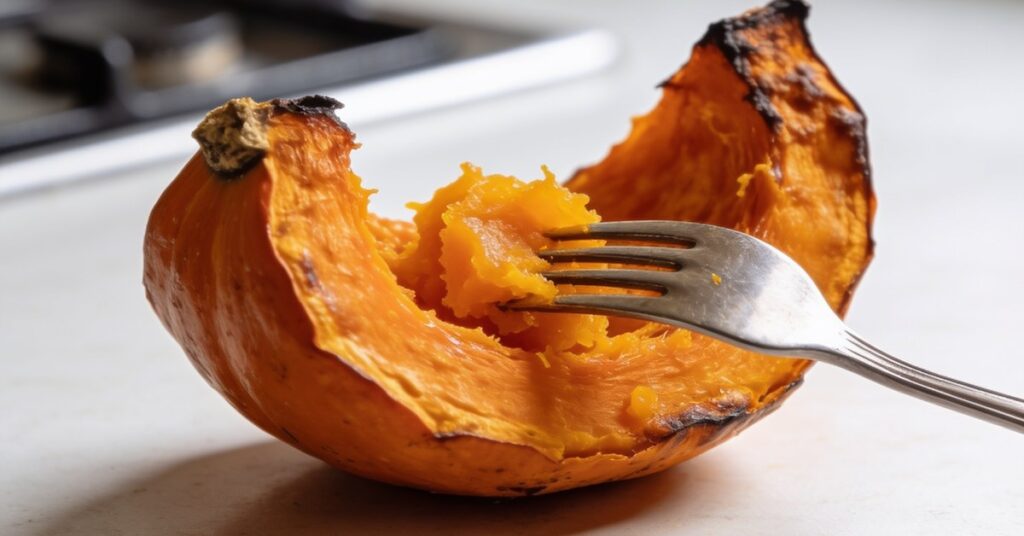
- Roast the pumpkin for 40 to 50 minutes, or until the flesh is tender when pierced with a fork.
Culinary applications
Roasted pumpkin is an excellent, nutritious substitute for canned varieties. It is rich in fibre, which supports a healthy digestive system, as well as essential minerals. Use your prepared pumpkin to elevate the flavour of your favourite soups, muffins, or traditional autumnal pies.
Helpful tips
Remember that salt and other seasonings serve only as a guide—always adjust the levels to suit your own palate. Avoid the common mistake of over-seasoning before assessing the natural sweetness of the roasted flesh. With the right technique, you will achieve a perfect, tender result every time.
The Most Effective Method to Cook a Pumpkin In The Oven
To understand how to cook pumpkin for maximum digestive safety, roasting the flesh until it is fork-tender is the most reliable method for those with sensitive guts. You should preheat your oven to 400°F (200°C) or 425°F (218°C) and ensure the oven rack is arranged in the middle position to provide even heat distribution. By cutting a sugar or pie pumpkin weighing between 2 and 5 pounds in half and removing the seeds and pulp, you prepare the fruit for a gentle roasting process that softens the cellular structure, making it much easier for your body to absorb nutrients. Many patients wonder if specific nutrients are safe, but in my experience, sticking to the guidance of the transplant team regarding cooking times is the best policy to prevent gastrointestinal distress.
Selecting the Best Varieties of Pumpkin and How to Cut the Pumpkin
Selecting the right variety of pumpkin is the first step in ensuring your homemade pumpkin dish is both palatable and suitable for a compromised digestive system. You should always choose a sugar pumpkin or pie pumpkin weighing approximately 2 to 5 pounds, as these varieties possess a sweeter flavour and a smoother, less fibrous texture than the larger carving pumpkins used for decorative purposes. Proper preparation involves meticulous work to cut the pumpkin in half and removing all seeds and stringy pulp, which can be difficult for some patients to process due to their high insoluble fiber content.
| Pumpkin Variety | Best Use | Digestibility Score |
|---|---|---|
| Sugar/Pie Pumpkin | Purees, soups, roasting | High (when cooked well) |
| Large Carving Pumpkin | Decoration (not recommended) | Low (stringy/tough) |
Easy Roasted Pumpkin and Cubed Pumpkin Preparation
The best way to roast pumpkin for digestive ease is to place the halves cut-side down on a parchment-lined baking sheet for 35 to 60 minutes. This technique traps moisture within the flesh, preventing it from becoming tough or dehydrated, which is essential for maintaining a soft, mashable consistency. Alternatively, if you prefer to peel and cube the pumpkin, you can roast the pieces at 425°F for 30 minutes, perhaps tossing the cubes with a touch of olive oil, salt, garlic, and chili powder if your specific dietary plan allows for these seasonings. Learning how to cook pumpkin using these precise thermal parameters ensures that you avoid the common pitfall of serving under-roasted, hard chunks that could potentially cause discomfort in your newly transplanted intestine.
Remember: Always monitor your body’s response when introducing new vegetables, as even „safe” foods can affect people differently during immunosuppression management. If you feel any bloating or discomfort after a meal, it is usually a sign that you need to revert to a more processed, smoother texture for your next few meals.
Making Pumpkin Puree and Homemade Pumpkin Puree Techniques
Creating a smooth puree is the most effective approach for patients who require a texture that minimises the workload on their intestinal tract. To make a high-quality homemade pumpkin puree, use a small sugar pie pumpkin weighing about 3 lbs / 1.4 kg and bake the halves cut-side down at 200°C / 400°F for 35 to 50 minutes. Once roasted, allow the pumpkin to cool for 10 to 15 minutes before scooping out the flesh; if the puree appears too watery, drain it in a cheesecloth-lined strainer for one hour to achieve a concentrated, nutrient-dense consistency that is gentle on the gut.
Soup Recipes and How to Cook a Whole Pumpkin
Soup preparation is a fantastic way to hydrate the body while delivering essential electrolytes and vitamins found in pumpkin. You can create a nourishing base by roasting pumpkin pieces cut-side down at 425°F (220°C) for 35 to 45 minutes, then simmering these chunks in a clear stock for 15 to 30 minutes. If you are pressed for time, you can boil peeled pumpkin with onion, garlic, and broth for 15 minutes, or use 1kg of pumpkin chunks for stovetop cooking, ensuring they are boiled for 8-10 minutes until they reach a soft, easily digestible state.
Stovetop Cooking and Making Pumpkin Seed Snacks
Stovetop cooking provides the most control over the final texture, allowing you to monitor the pumpkin closely until it mashes easily with a fork. After peeling the pumpkin and cutting the flesh into medium-sized cubes, place them in a pan with 1/4 cup of water and a pinch of salt. Cover the pan with a lid and cook for 15 minutes after the water boils, or opt for a gentler approach by cooking on low heat for 25 to 30 minutes. Always remember to drain any extra liquid before mashing or blending the flesh to ensure the consistency is perfectly tailored to your current digestive tolerance.
- Peel and cube the pumpkin into uniform 1-inch pieces to ensure even cooking.
- Add to the pan with 1/4 cup of water and a pinch of salt to create a steaming effect.
- Cover and boil for 15 minutes or simmer for up to 30 minutes for a softer result.
- Test with a fork; if it mashes easily, it is ready for your blender or bowl.
Frequently Asked Questions
Can I use frozen pumpkin for my digestive diet?
Yes, you can use frozen pumpkin provided it is plain, unseasoned, and processed without added preservatives. Ensure it is thawed and cooked thoroughly until it reaches a soft, fork-tender consistency before ingestion.
Are there specific safety precautions for eating pumpkin seeds?
Pumpkin seeds should only be consumed if explicitly cleared by your clinical dietitian, as their high structural density can be challenging for a healing anastomosis. If approved, boil them in salted water first to soften the outer shell before roasting at 180°C.
How long should I microwave a whole pumpkin?
Microwave a whole pumpkin on high power for approximately 5 minutes per 500g, but ensure you pierce the skin thoroughly with a knife first to release steam. Always allow the pumpkin to rest for 10 minutes to finish the cooking process before slicing into the flesh.
What is the benefit of draining the pumpkin puree?
Draining the puree in a cheesecloth-lined strainer for one hour helps remove excess water, resulting in a more concentrated and nutrient-dense consistency. This is particularly beneficial for patients who require a specific caloric density without an excessive volume of fluid.
The secret to success lies in ensuring your pumpkin is consistently cooked until it is fork-tender, as this soft texture minimises the mechanical burden on your digestive tract during recovery. Always listen to your body and consult your dietitian to ensure these preparation methods support your individual healing journey.