For those navigating the complexities of post-transplant recovery or chronic intestinal conditions, selecting and preparing versatile vegetables like courgettes is a vital step in balancing essential nutrition with digestive comfort. This guide provides evidence-based, practical techniques for How to Cook Courgettes in ways that maximise digestibility and flavour while ensuring safety for your unique dietary needs. You will learn professional methods for preparation, storage, and various cooking styles to help you confidently incorporate this nutrient-dense vegetable into your daily regimen.
The most effective way to cook courgettes for digestive health is to ensure they are thoroughly softened, as this reduces the mechanical effort required by your gut to break down the plant cell walls. Whether you are pan-frying, roasting, or simmering, the goal is to reach a texture that is tender and easy to absorb, which is particularly crucial for patients with sensitive digestive systems or those managing an ostomy.
How to cook courgettes
Optimising your courgette preparation
To ensure your courgettes stay firm and flavourful, it is best to avoid boiling them, as this often results in a mushy texture. Instead, opt for high-heat techniques such as roasting, pan-frying, or using a griddle pan. These methods preserve the natural integrity and taste of the vegetable.
Recommended cooking techniques
- Sautéing: Slice your courgettes into thick rounds or half-moons approximately 2cm in thickness. Heat a small amount of oil or butter in a pan over a medium-high heat. Arrange the slices in a single layer to ensure they do not steam; cook for three to four minutes per side until they develop an appetising golden-brown finish.
- Roasting: Preheat your oven to a temperature between 180°C and 200°C. Halve the courgettes lengthways and score the flesh in a diamond pattern. Drizzle with olive oil, seasoning with sea salt and black pepper before placing them on a tray. Roast for 20 to 25 minutes until the courgettes are tender and golden.
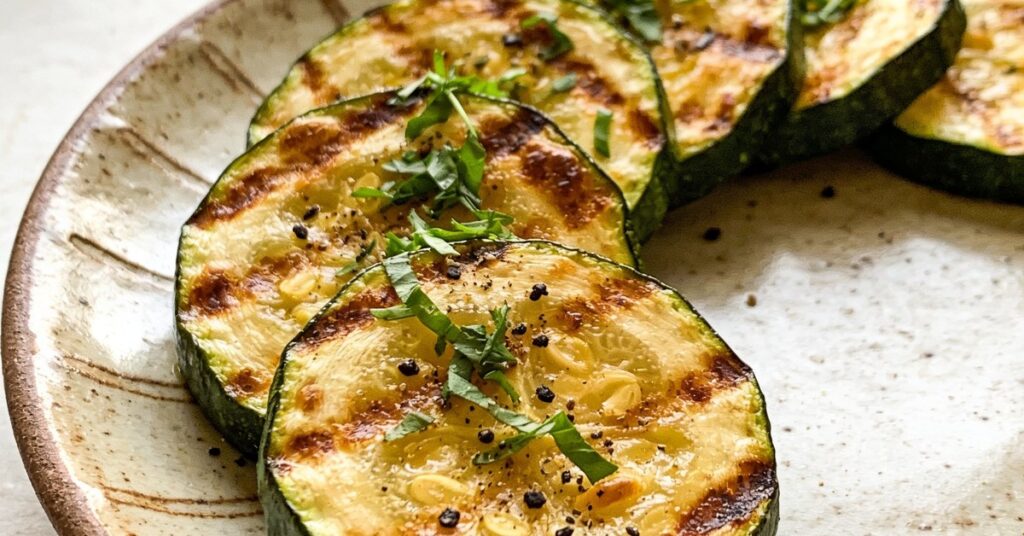
- Griddling: Prepare the courgettes by slicing them into thick strips or oval shapes. Lightly brush each piece with olive oil. Place them onto a preheated, sizzling griddle pan and sear for three to four minutes on each side until they are soft and marked with distinct char lines.
Essential preparation tips
When preparing your courgettes, always start by trimming the top and bottom ends. If you are working with larger courgettes, cutting them into substantial slices is an excellent way to ensure even cooking. For a more creative presentation, consider using a vegetable peeler to create thin ribbons, which can be flash-fried or used in salads. Always pat your prepared pieces dry before cooking to encourage a better sear rather than steaming.
Selecting, Storing, and Preparing the Vegetable
Proper handling of courgettes begins with choosing firm, unblemished specimens and storing them correctly to maintain their integrity before you decide to eat courgette dishes. Store unwashed courgettes in the fridge crisper drawer, keeping them well away from bananas and tomatoes, which release ethylene gas that can accelerate spoilage. Under these conditions, fresh courgettes generally remain in good condition for 5 to 7 days, though they may last up to 2 weeks.
When you are ready to prepare them, always trim both the stem and blossom ends, but leave the skin on unless your medical team has specifically advised a low-fibre or low-residue diet. To improve the texture and remove excess water—which can lead to a watery, difficult-to-digest result—sprinkle salt over your cut pieces and let them sit for 20 minutes before rinsing and patting dry. This simple pre-treatment is a cornerstone of professional kitchen practice for achieving consistent, high-quality results.
Cooking Techniques: The Best Way to Cook Courgettes
Cooking methods such as pan-frying, roasting, and grilling serve to break down the fibrous structure of the courgette, making it a safer and more palatable choice for those with gastrointestinal limitations. Each method offers a unique way to manage the vegetable’s texture, allowing you to tailor your meals to your current tolerance levels.
Sauté and Stir Fry Courgette Slices
Pan-frying or a quick stir fry is the most reliable method for achieving a soft, golden finish that is easy on the digestive tract. Slice your courgettes into 1/2-inch rounds or half-moons, heat 1 tablespoon of oil in a pan over medium-high heat, and arrange the slices in a single layer to avoid overcrowding. Cook the slices for 2 to 3 minutes without moving them to encourage browning, then flip and cook for another 2 to 3 minutes until tender; if you are preparing large quantities, always cook in batches to ensure even heat distribution.
Roasted Courgette and Baked Courgette Dishes
Roasting and baking are excellent alternatives that concentrate flavour while keeping the roasted vegetable tender and digestible. Preheat your oven to 200°C (180°C fan / gas mark 6) and place 1/2-inch rounds or finger-sized batons on a tray in a single, non-touching layer; roast for 15 to 20 minutes for slices, or 25 to 30 minutes for wedges, ensuring you shake the tray at the 10-minute mark for even colour. Alternatively, grill 1/4 to 1/2-inch planks over medium-high heat for 3 to 5 minutes per side, brushing with extra virgin olive oil and cooking undisturbed until clear char marks form.
Integrating Courgette Recipe Ideas for Pasta
Courgettes can be transformed into a creamy, gut-friendly sauce base by simmering or sautéing them until they reach a state of total collapse. Post-transplant recovery is a journey, and managing your nutrition is a huge step toward getting back to normal life; in my experience, finding ways to make vegetables disappear into a sauce is a game-changer for digestion. Learning How to Cook Courgettes specifically for pasta ensures you maintain a smooth texture that minimises gut irritation.
- Sauté with garlic and onion for 10 minutes to build flavour.
- Simmer in oil for 20-35 minutes for a sauce-like consistency.
- Blend two-thirds of the mixture with starchy pasta water for a creamy finish.
Delicious Courgette Recipes and Raw Preparation
Raw courgette can be enjoyed safely if it is processed into fine, thin ribbons that require minimal chewing. Start by washing the vegetable in cold water and patting it completely dry, then use a vegetable peeler or mandoline to create long, thin ribbons, or use the coarse side of a box grater to achieve a delicate, slaw-like texture. Be sure to stop slicing once you reach the soft, seedy core, as this part has a high water content that can make salads unpleasantly soggy.
Ever wondered if this fits into your recovery plan? Always monitor how your body reacts to raw fibre compared to cooked vegetables, as individual tolerance can vary significantly.
Comparison of Preparation Methods
| Method | Cooking Time | Texture |
|---|---|---|
| Pan-fry/Sauté | 4-6 mins | Soft & Golden |
| Roast/Baked | 15-30 mins | Tender & Concentrated |
| Grill | 6-10 mins | Charred & Firm |
Enhancing Flavour and Nutritional Variety
Strategic seasoning is the best way to elevate the flavour profile of courgettes while keeping the dish aligned with your digestive health goals. Start by seasoning with garlic powder, black pepper, or smoked paprika during the cooking process to allow the spices to mellow and integrate. You can also incorporate dry spices like cumin, turmeric, curry powder, or complex blends like Ras El Hanout or zaatar—a mix of thyme, oregano, marjoram, cumin, and coriander—at the halfway point of cooking.
Remember: Always consult your transplant team or dietitian before introducing new spices or significant changes to your diet to ensure they align with your current immunosuppression and graft function needs.
Frequently Asked Questions
Can I spiralise courgettes if I have digestive issues?
Spiralised courgette, or zoodles, can be safe if they are lightly cooked rather than eaten raw. Cooking them for a few minutes helps break down the structural fibres, making them much gentler on your digestive tract.
Are courgette muffins or fritters suitable for a post-transplant diet?
Courgette muffins or fritters are generally acceptable, provided they are not overly greasy or fried in too much oil. Ensure the courgette is finely grated or blended into the batter to avoid large, difficult-to-digest chunks.
How can I use courgettes with lemon to add flavour?
Courgettes with lemon are a classic pairing, and you should add the juice or zest only after the cooking process is complete. This preserves the bright, acidic notes and provides a refreshing finish that can help mask the mildness of the vegetable.
Is courgette chutney safe for someone recovering from surgery?
Courgette chutney should be approached with caution as it often contains high levels of vinegar, sugar, and potentially large pieces of skin or seeds. If you are in the early stages of recovery, it is best to stick to simpler, cooked preparations until your team gives you the green light.
Mastering How to Cook Courgettes allows you to enjoy a nutrient-rich vegetable that supports your recovery without compromising digestive comfort. Prioritising thorough, gentle cooking methods serves as the most effective strategy for ensuring your body can process these essential nutrients with ease.