Mastering the preparation of beetroot is a valuable skill for those managing intestinal health, as properly cooked, tenderised fibres are essential for maximising nutrient absorption while minimising digestive distress. In this guide, you will learn evidence-based, safe techniques for cooking and peeling beetroot that prioritise both digestibility and nutritional integrity during your recovery journey. By following these professional insights, you can confidently integrate this vibrant vegetable into your diet while supporting your long-term digestive stability.
How to cook beetroot
Preparation and Essential Cooking Guidelines
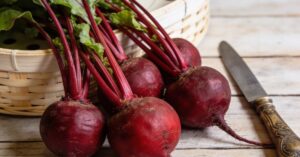
Beetroot is a nutritious and earthy root vegetable that benefits from careful handling. To preserve its intense flavour, vibrant colour, and beneficial nutrients, it is best to cook the bulbs without peeling them first. Always ensure you wash the beets thoroughly to remove any soil before you commence cooking.
Boiling Method
Boiling is a popular technique for preparing whole beetroots. Follow these steps for the best results:
- Clean the beetroots gently, taking care not to damage the skin.
- Place the vegetables into a pan and cover them completely with cold water.
- Place a lid on the pan and bring the water to a boil.
- Once boiling, reduce the heat and simmer for approximately 30 to 60 minutes.
- The beetroot is ready when a fork pierces the flesh with little resistance.
- Once soft, drain the water, rinse the beets under cool water, and simply rub the skins away using your fingers or a paper towel.
Roasting for Depth of Flavour
Roasting brings out a wonderful sweetness in beetroot. Use this method for a delicious side dish or salad ingredient:
- Preheat your oven to 200°C (Gas Mark 6).
- Clean the scrubbed beetroots and trim the leaves, ensuring the root remains intact.
- Wrap the beetroots loosely in aluminium foil to trap the steam and moisture.
- Place them into a roasting tin and bake for 45 to 60 minutes, depending on the size of the roots.
- Allow them to cool slightly before sliding off the skins.
Steaming for Speed and Texture
Steaming is an efficient way to cook beetroots, particularly if you prefer slicing them into smaller portions beforehand:
- Peel the beetroots and dice them into 1-inch cubes to accelerate the cooking process.
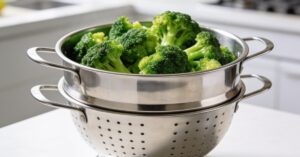
- Place the cubes into a steamer basket positioned over a pan of boiling water.
- Cover the pan tightly and steam for 25 to 30 minutes.
- Test for tenderness by inserting a knife; if they are soft, they are ready to be served.
Pro Tips for Success
- Keep the skins on and leave the roots and a small portion of the stem attached while boiling or roasting to prevent the colour from bleeding and the juices from escaping.
- If you do not have a dedicated steamer, you can create a DIY version using a metal sieve secured over a pan containing a small amount of boiling water.
- Beetroot size significantly affects cooking time; always check larger roots with a fork to ensure they are cooked through to the centre.
The Best Way to Cook Beetroot and Prepare Whole Beets
The most effective way to cook beetroot for individuals with digestive sensitivities is to roast or steam it until it reaches a soft, fork-tender consistency, which breaks down complex fibre that might otherwise irritate the gastrointestinal tract. Ever wondered if this fits into your recovery plan? In my experience, post-transplant recovery is a marathon, not a sprint, and managing your nutrition is a huge step toward getting back to normal life; just remember that your transplant team’s specific guidance always takes priority over general advice. Understanding How To Cook Beetroot correctly is not just about flavour, but about ensuring that your body can access the vitamins it needs without enduring unnecessary strain. Many patients find that by slowing down the preparation process, they gain a better appreciation for the quality of their food, transforming a mundane task into a therapeutic part of their daily routine.
Optimal Roast and Steam Beetroot Techniques
Selecting an appropriate cooking method is fundamental to ensuring your intake of fresh beetroot supports rather than strains your intestinal function. When choosing your method, consider the following parameters to ensure the best outcome for your gut:
| Cooking Method | Cooking Time | Best For |
|---|---|---|
| Oven Roasting | 45–90 mins | Concentrated flavour |
| Boiling | 20–60 mins | Maximum moisture |
| Steaming | 10–15 mins | Nutrient retention |
| Microwaving | 5–15 mins | Quick preparation |
Roast Beetroot and Baked Beetroot Methods
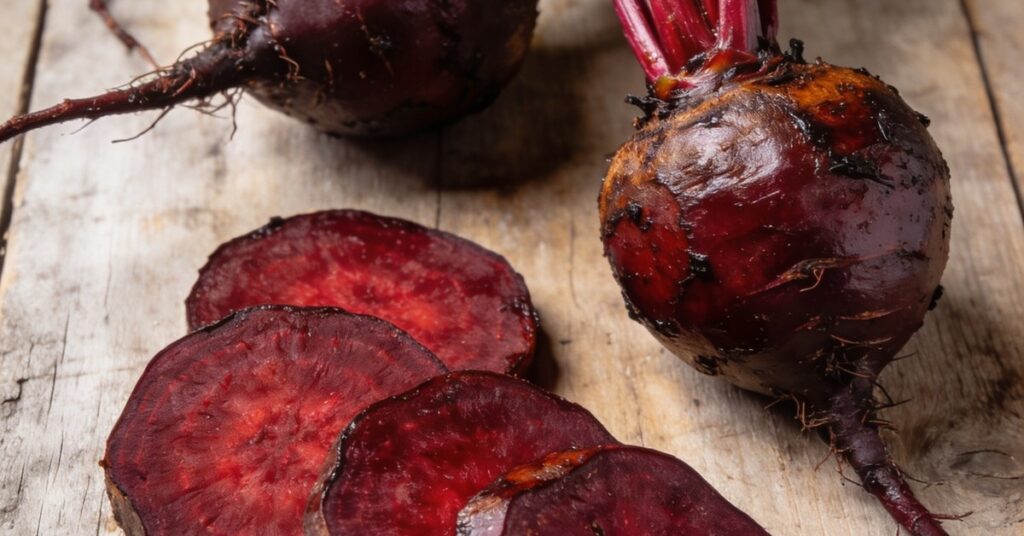
Roasting is the gold standard for achieving a tender, nutrient-dense result, and it is best accomplished by preheating your oven to 200°C (400°F). To prepare, trim the green tops to leave approximately 1 inch of stem, scrub the roots to remove all soil, and pat them dry before rubbing each with olive oil and a pinch of salt. Wrap each beetroot tightly in aluminium foil to create a steam-pocket, which prevents the sugars from burning while ensuring consistent internal heat penetration. Depending on the size of the vegetable, roast for 45 to 60 minutes, though larger specimens may require up to 90 minutes; once finished, allow them to rest for 15 to 20 minutes before peeling to ensure the flesh is perfectly tender. This method remains my personal favourite because it concentrates the natural sweetness of the root without requiring added sugars, making it a perfect side dish for a balanced, gut-friendly meal.
Boil Beetroot and Steam Beets for Nutrient Preservation
Boiling and steaming are highly recommended for those who prefer a moist, gentle texture, provided you keep the skin on to prevent leaching of nutrients into the water. For boiling, leave 2.5 cm (1 inch) of the stem attached, submerge the beets completely in cold water, and cover the pot to simmer; cook small beets for 20 to 30 minutes, medium for 30 to 40 minutes, and large for 45 to 60 minutes. Immediately after draining, plunge the cooked beetroots into ice-cold water to halt the cooking process. For steaming, cut the beetroot into 1/2- to 1-inch cubes and place them in a steamer basket over a pot of boiling water, ensuring the water does not touch the basket, then cover tightly and steam over medium-high heat for 10 to 15 minutes until fork-tender. Mastering How To Cook Beetroot using these wet-heat methods preserves the delicate phytonutrients that can be lost in higher-heat environments, which is crucial for those of us who need every bit of nutritional support we can get.
Microwave and Cook Beets Quickly
Microwaving is a highly efficient, time-saving method for preparing single servings of beetroot while maintaining enough moisture for easy digestion. Trimming the beetroot to leave 1 inch of stem and root attached, pierce the skin several times with a fork to allow steam to escape. Place the beet in a microwave-safe dish with 2 to 3 tablespoons of water, cover loosely with a lid or plastic wrap, and cook on high power for 5 to 6 minutes for a single medium beet, or 12 to 15 minutes for a 1-pound batch. Be certain to turn the roots over halfway through the process, and always allow them to rest covered for 5 minutes after cooking to ensure the internal temperature is uniform. While some might view the microwave as a shortcut, it is a perfectly valid, scientifically sound way to soften the vegetable for those days when energy levels are low and you need a quick, reliable meal.
Peel Beetroot and Prepare Beet Greens
Peeling beetroot easily requires patience and the right temperature, as the skin will slip off with minimal resistance once the vegetable is fully tenderised through boiling or roasting. If you are struggling with the process, follow these practical steps to keep things tidy:
- Wait at least 15-20 minutes for the beets to cool before handling.
- Wear rubber gloves to avoid staining your skin with the potent natural pigment.
- Use a paper towel to apply gentle pressure and rub the skin away.
- If skins are stubborn, use a small paring knife or the edge of a spoon to scrape them off.
Beetroot Recipe Ideas for Salad and Pickle
Beetroot can be a colourful and nutritious addition to your meals, provided it is prepared to suit your specific digestive tolerance. Whether you are creating a simple salad or utilising the often-overlooked greens, preparation makes all the difference in how your system processes these nutrients.
Eat Raw Beetroot and Salad Preparation
Salads featuring beetroot should focus on texture modification to ensure they are gentle enough for those with complex digestive conditions. For a slaw-style salad, peel raw beets and use a box grater, or use a vegetable peeler or mandoline to shave them into paper-thin slices, which significantly reduces the digestive burden of raw fibre. To further soften these slices, let them sit in an acidic dressing for 5 to 10 minutes before serving. Remember to dress the beetroot separately from other salad ingredients to prevent the intense natural pigment from bleeding throughout the dish, and always wear gloves during preparation to protect your skin from staining. Learning How To Cook Beetroot for salads is a delicate art; by shaving the raw vegetable thin enough or ensuring your roasted beets are perfectly tender, you avoid the common pitfalls that lead to post-meal gastrointestinal discomfort.
Cooking Beet Greens and Pickle Beetroot
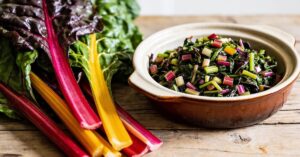
Beet greens and stems are highly nutritious components that should not be discarded, as they offer a valuable source of vitamins when prepared correctly. To cook these, cut the stems and leaves into 2-inch pieces, ensuring you cook the stems longer than the leaves to guarantee they soften sufficiently. You can boil the greens in lightly salted water for 2 minutes, or fry the chopped leaves and stalks in a pan with 1 teaspoon of extra-virgin olive oil and 1 finely chopped garlic clove per bunch, using a lid to steam-fry them for a few minutes. For the best flavour and texture, sauté the stems and garlic for 1 minute before adding the leaves, and store any leftovers in an airtight container in the refrigerator for up to 3 days.
Frequently Asked Questions
Can I eat beetroot raw if I have an ostomy?
It is generally recommended to avoid eating raw beetroot if you have an ostomy or recent intestinal surgery. The raw fibrous structure is difficult to break down, so always opt for well-cooked, tenderised beetroot to prevent potential blockages.
Is there a difference if I buy beetroot with the tops attached?
Buying fresh beetroot with the greens attached is a sign of quality, but you should remove the tops immediately after purchase. If left on, the leaves will draw moisture and nutrients out of the root, causing the beet to become limp and less palatable.
How do I know when the beets are done?
You can determine if the beets are done by inserting a sharp knife into the centre of the root. If the blade slides in with zero resistance, the vegetable is perfectly cooked and ready to be peeled.
Is it possible to pickle beetroot for long-term storage?
Yes, you can pickle beetroot by submerging cooked, sliced beets in a solution of vinegar, sugar, and spices. This method is excellent for preserving the vegetable, but ensure your transplant team approves of the acidity levels in your diet before consuming large quantities.
Consistency in your preparation techniques—such as allowing the beets to rest and ensuring they are fork-tender—is the absolute key to a positive, pain-free culinary experience. Always prioritise cooking your beets until they offer zero resistance to a fork, as this simple step ensures they remain gentle on your digestive system throughout your recovery.