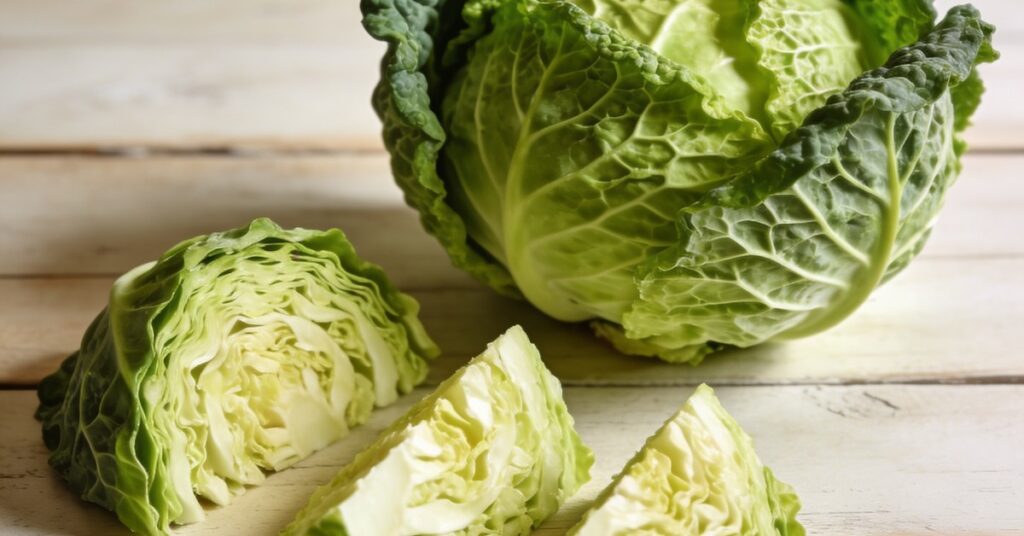
Incorporating nutrient-dense vegetables like Savoy cabbage into your post-transplant diet requires careful preparation to ensure they are gentle on your digestive system and support optimal nutrient absorption. In this guide, I will walk you through evidence-based cooking methods that transform this fibrous vegetable into a tender, easily digestible meal suitable for your recovery journey. You will learn practical techniques for selecting, storing, and preparing cabbage to safely enjoy its health benefits while managing your unique intestinal health needs.
How to cook savoy cabbage
Mastering Savoy Cabbage Preparation
To achieve the best results when preparing Savoy cabbage, consider quick boiling, roasting, or sautéing. These culinary techniques ensure the signature crinkled leaves remain succulent and retain their naturally sweet profile.
Essential Preparation Steps
Before you begin cooking, proper preparation is key to ensuring the best texture:
- Inspect the head carefully and discard any wilted, discoloured, or excessively tough outer foliage.
- Divide the cabbage into quarters or halves by cutting through the central core.
- Carefully remove the dense, woody stem from the centre.
- Slice the leaves into substantial strips or jagged pieces, ensuring they are thoroughly rinsed under cold, running water.
- For shredded greens, halve the cabbage through the base and use a sharp knife to create thin ribbons.
Quick Boiling Technique
For a clean, buttery finish, follow this straightforward method:
- Place your prepared cabbage into a large pot and add a teaspoon of salt.
- Cover the vegetables with boiling water, place a lid on the pot, and cook for 4 to 5 minutes until the leaves reach a crisp-tender consistency.
- Drain the liquid entirely and immediately fold in three tablespoons of melted butter while the cabbage is still warm.
Stovetop Sautéing Method
This approach produces a healthy and flavourful side dish in under 20 minutes:
- Warm two tablespoons of olive oil or butter in a spacious frying pan over a medium temperature.
- Incorporate your cabbage, a pinch of seasoning, and two cloves of minced garlic.
- Add three tablespoons of water to the pan and cover with a lid.
- Cook for 10 to 15 minutes, stirring occasionally, until the leaves soften perfectly.
Roasting for Depth of Flavour
Roasting brings out a delicious nutty sweetness in the cabbage:
- Slice the head into six generous wedges and ensure they are washed and dried.
- Toss the wedges thoroughly with three tablespoons of olive oil and season with salt and pepper.
- Arrange on a baking tray and roast in a preheated oven at 200°C (180°C fan) for approximately 35 to 40 minutes, or until the edges are golden and the centres are tender.
Professional Tips for Excellence
To avoid a soggy texture, exercise caution with cooking times. The goal is to retain a slight bite, ensuring the integrity of the leaves is maintained throughout the cooking process.
The Best Way to Cook Savoy Cabbage and Boil Cabbage Safely
The most effective way to learn How To Cook Savoy Cabbage for those with sensitive digestive systems is to steam or braise it until the leaves are thoroughly tender, as this breaks down tough cellular structures that can be difficult to process. For beginners, the process begins by removing and discarding any tough or browned outer leaves and cutting the head in half through the core, then into quarters. You must slice out the tough white triangle core from each quarter; this core is often the most fibrous part and can cause discomfort. Once prepped, steaming shredded cabbage for 5 minutes or boiling it for 4-5 minutes in a covered saucepan creates a soft, translucent texture that is significantly easier for the gut to handle than raw or undercooked alternatives. Mastering these basics ensures that you can safely introduce variety into your diet without compromising your comfort or your long-term intestinal recovery goals.
Selecting and Storing Savoy Cabbage and How to Use Up Leftover Cabbage
Selecting high-quality produce is the first step in ensuring food safety and nutritional quality for transplant recipients. You should look for heads that feel heavy for their size and choose those with deeply crinkled, firm, and vibrant green leaves. Always avoid heads that show signs of black or brown spots, cracks, bruises, or slimy layers, as these imperfections can be breeding grounds for bacteria that may pose a risk to an immunocompromised system. It is a simple check, but it plays a massive role in your overall safety when you are navigating the complexities of nutritional management.
Optimal Storage Practices for Cabbage in Advance
To preserve the integrity of your cabbage, store whole, unwashed heads in a loose plastic bag inside your refrigerator crisper drawer. If you have already cut into the head, wrap the remaining portion tightly in plastic wrap and aim to use it within two to three days to maintain quality. It is essential to store your cabbage away from ethylene-producing items such as bananas, tomatoes, apples, potatoes, and onions, as these gases will cause the cabbage to spoil much faster. Keeping your fridge organised in this way is a practical habit that prevents waste and ensures you always have safe, fresh ingredients on hand for your next meal.
Essential Preparation Techniques for a Tender Vegetable Side
Proper preparation is the most critical factor in making Savoy cabbage compatible with a restricted or post-surgical diet. Beyond removing the outer leaves and the hard central core, you should cut the leaves into 1/2-inch to 1-inch bite-sized pieces to reduce the mechanical work required by your digestive tract. When preparing to steam, leave some moisture on the leaves after rinsing to help create natural steam within the pot, and always use a tight-fitting lid to ensure the heat penetrates evenly.
- Consult your transplant dietitian about your specific fibre tolerance before adding new foods.
- Monitor your daily intake to see how your system reacts to new vegetables over a few days.
- Keep a simple food diary to track any symptoms like bloating or discomfort to identify what works for you.
Blanching Savoy Cabbage for Salads and Freezing
Blanching is a highly effective method for softening fibre before you incorporate the cabbage into more complex recipes or store it for later use. You should blanch shredded cabbage for 90 seconds, while whole leaves or larger wedges require two minutes. Immediately transfer the cabbage to a bowl of ice water to stop the cooking process, then drain and pat it completely dry before freezing to prevent freezer burn. Once prepared this way, blanched, frozen cabbage can be stored for up to nine months, whereas raw, frozen cabbage should be used within two months.
Recommended Cooking Methods for Buttered Cabbage and Braised Cabbage
Achieving a translucent and tender consistency is the primary goal when you investigate How To Cook Savoy Cabbage, as this ensures the vegetable is well-tolerated and less likely to cause gas or bloating. In my experience, keeping the cooking process simple and focusing on moisture-rich methods is the safest bet for maintaining stable graft function and comfort throughout your day.
| Cooking Method | Typical Time | Best For |
|---|---|---|
| Steaming | 4–8 mins | Maximum nutrient retention |
| Boiling | 4–30 mins | Soups and stews |
| Sautéing | 15–20 mins | Flavourful sides |
Simple Buttered Savoy Cabbage Recipe and Braise Techniques
Butter-braising is another excellent method for creating a palatable side dish, involving melting three tablespoons of butter and simmering the shredded cabbage with a splash of water or stock for seven to 10 minutes. If you prefer the boiling method, add the cabbage, a pinch of salt, and boiling water to your saucepan, covering it with a lid for four to five minutes. For those adding cabbage to soups or stews, add the vegetable during the last 15 to 20 minutes of cooking if the base contains hard root vegetables or meat.
Roasting Savoy Cabbage and Side Recipes
Roasting is a fantastic way to develop the natural sweetness of the vegetable, provided you roast the wedges until the leaves are golden brown and the core is completely tender. To achieve this, preheat your oven to 200°C (400°F) or gas mark 6 and cut the head into six to eight wedges, keeping part of the core intact so the wedges stay together. Brush or rub all sides of each wedge with three to four tablespoons of olive oil, then roast for 30 to 45 minutes in total. It is vital to turn the wedges halfway through the cooking time to ensure even browning and to verify that the core is soft enough to be easily pierced with a fork before serving.
Remember: Always introduce new fibrous vegetables gradually and listen to your body; your recovery is a marathon, not a sprint, and managing your nutrition is a huge step toward getting back to normal life.
Frequently Asked Questions
Can I make a Creamed Cabbage version of this dish?
Yes, you can create a creamed cabbage by folding in a small amount of low-fat dairy or a plant-based alternative once the vegetable is fully tenderised. Ensure the base is well-cooked to maintain digestibility, as the addition of fats should be monitored according to your specific post-transplant dietary plan.
Is Roasted Savoy Cabbage safe for those with severe digestive restrictions?
Roasted Savoy cabbage is generally firmer than steamed or boiled versions, which might be challenging for those with very limited digestive capacity. If you choose to roast, ensure the leaves are thinly sliced or exceptionally well-cooked to avoid any potential irritation in the gastrointestinal tract.
How do I best Serve Buttered cabbage to ensure it is nutrient-dense?
To serve buttered cabbage effectively, use a high-quality grass-fed butter or a healthy oil to provide necessary calories without overwhelming your system. Pairing this with a lean protein source can help balance your meal and ensure you receive a well-rounded nutritional profile.
What should I look for in a Cabbage Recipe when I am recovering?
Look for a cabbage recipe that emphasises long, slow cooking methods rather than high-heat searing or raw applications. The goal is to reach a state where the cabbage is easily broken down by your enzymes, reducing the risk of discomfort and supporting smoother digestion.
Always prioritise cooking your cabbage until it is exceptionally tender to ensure it remains a safe and well-tolerated component of your digestive wellness strategy. Remember that listening to your body’s unique response to these textures is the best way to support your long-term recovery and comfort.