For patients navigating the complexities of intestinal transplantation or chronic digestive conditions, even small dietary additions like pickled onions require careful assessment regarding sodium levels, acidity, and gut tolerability. In this article, you will learn how to evaluate the nutritional impact of pickled onions on your recovery, distinguish between store-bought risks and homemade benefits, and determine whether they can safely fit into your specialized diet. We provide evidence-based insights to help you make informed decisions that support, rather than compromise, your digestive wellness.
When you ask yourself, „Are Pickled Onions Healthy?”, the answer is a resounding „it depends” on how they are prepared and your specific health history. Pickled onions can be a healthy, low-calorie condiment, provided you are mindful of their high sodium and sugar content. While they offer beneficial antioxidants and can aid digestion through natural acidity, their suitability depends heavily on whether they are homemade or mass-produced, as well as your individual tolerance for acidic and fermentable foods.
Are pickled onions healthy?
Nutritional Benefits and Gut Health
Pickled onions can indeed be a nutritious addition to your diet. They are relatively low in calories and serve as a source of antioxidants, specifically quercetin, which assists the body in combating inflammation and cellular damage. Furthermore, they contain inulin fibre, which functions as a prebiotic to nourish beneficial gut bacteria. If they are prepared using a traditional fermentation method rather than simple vinegar pickling, they may also provide a variety of helpful probiotics that support a balanced microbiome.
Digestive Advantages
You may find yourself questioning whether these tangy condiments are beneficial for your digestive system. The acetic acid found in vinegar can assist in increasing stomach acid levels, which promotes more efficient food breakdown. Because they offer a robust, sharp flavour profile without contributing significant amounts of fat or excess calories, they are an excellent way to enhance a meal.
Potential Drawbacks to Consider
Despite their benefits, there are several factors to keep in mind regarding their consumption:
- High salt content: Many commercially produced jars contain substantial amounts of sodium, which may lead to increased blood pressure.
- Added sugars: Various recipes incorporate sugar to balance the sharp acidity of the vinegar.
- Digestive sensitivity: Due to their high acidity, pickled onions may trigger heartburn or abdominal discomfort for individuals with sensitive stomachs.
Simplicity in Preparation
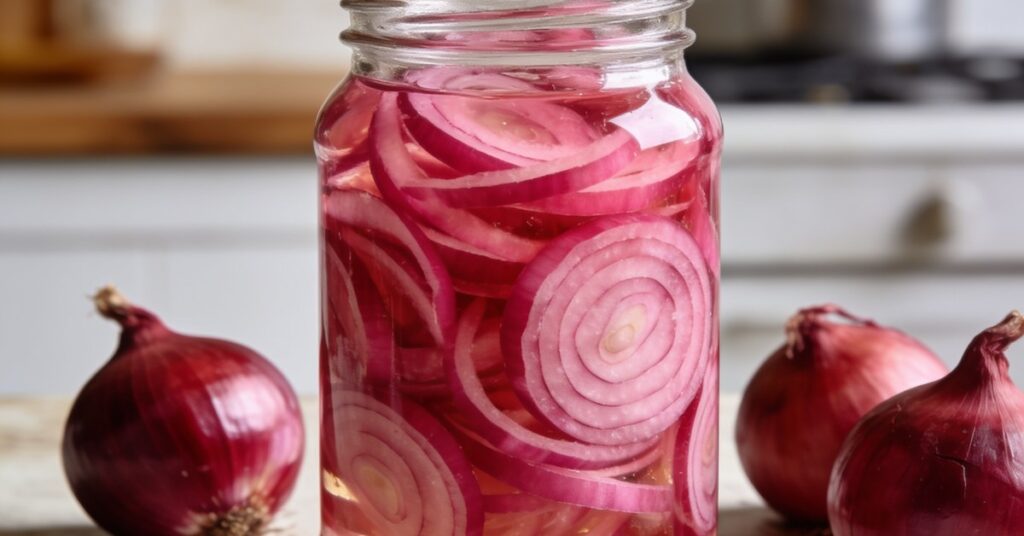
Creating your own pickled onions at home is surprisingly straightforward. It requires minimal effort and can be completed in approximately five minutes, allowing you to control the ingredients and avoid the high sugar or salt levels often found in store-bought varieties.
Nutritional Profile and Health Potential of the Pickled Onion
Pickled onions serve as a source of quercetin, a potent antioxidant, and red onion varieties specifically provide folate (vitamin B9), which is essential for cellular repair. Beyond these micronutrients, naturally fermented onions contain live probiotics that can support a healthy microbiome. However, it is critical to note that quick-pickled onions prepared with standard vinegar lack these live cultures. Furthermore, commercial versions often contain high levels of sodium and added sugars, which can detract from their overall health profile.
Digestive Considerations and Gut Health
Pickled onions can be beneficial for gut health by stimulating stomach acid and digestive enzymes, but they may trigger symptoms in those with sensitive digestive systems. The presence of inulin, a prebiotic fiber, is excellent for gut flora, yet onions are also high in FODMAPs, which are known to cause gas and bloating. Ever wondered if this fits into your recovery plan? In my experience, even if a food is technically healthy, if it causes you discomfort during your transplant recovery journey, it is simply not worth the trade-off.
| Feature | Homemade Quick-Pickled | Commercial Pickled |
|---|---|---|
| Sodium Levels | Low (Controlled) | High (300mg – 500mg+) |
| Probiotics | None (unless fermented) | None (heat-treated) |
| Added Sugars | Zero (optional) | Often High |
Sodium Content in the Pickled Red Onion and Cardiovascular Impact
Pickled onions are often high in sodium, which can pose a significant risk to blood pressure and cardiovascular health. Many store-bought varieties contain between 300mg and 500mg of sodium per serving, leading the body to retain excess water and increasing pressure on blood vessels. Remember: Rinsing store-bought onions under cold water is a simple, effective trick to strip away some of that excess surface salt before you tuck in.
Weight Loss and Calorie Control with this Condiment
Pickled onions are an excellent, calorie-conscious choice, as a typical 1oz (28g) serving contains only 6 calories. This serving size provides 0.2g of protein, 1.4g of carbohydrates, and 0.2g of fiber with zero fat. Portion control remains key to maintaining a heart-healthy diet while managing your caloric intake.
Comparative Value: Pickled Versus Raw Onion
Raw onions are nutritionally superior to their pickled counterparts in terms of raw vitamin C content and the absence of added salt. While pickled onions offer the advantage of acetic acid—which can slow down carbohydrate digestion—raw onions provide the maximum levels of prebiotic fiber. They should be viewed as an occasional flavour enhancer rather than a direct nutritional replacement for fresh, raw vegetables.
Metabolic Health and Blood Sugar Regulation
Pickled onions can assist in blood sugar management because the acetic acid in the vinegar base improves insulin sensitivity and slows the rate at which carbohydrates are digested. The onions themselves contain sulfur compounds and quercetin, which have been linked to anti-diabetic properties, giving them a low glycemic index. When assessing if Are Pickled Onions Healthy for metabolic goals, prioritise homemade versions to avoid hidden glucose spikes.
Identifying Potential Side Effects
Daily consumption of pickled onions may lead to adverse effects, particularly for those with a history of acid reflux, heartburn, or stomach irritation. If you are uncertain about your reaction to them, follow this simple monitoring process:
- Start with a very small portion (1-2 rings) to test tolerance.
- Keep a food diary for 24 hours to note any bloating or reflux.
- Consult your transplant team if you experience persistent digestive discomfort.
How to Make No-Cook Pickled Onions Without Sugar
Making your own is the most effective way to eliminate excess sugar and control salt for a gut-healthy result. Follow these steps to ensure safety and quality:
- Slice one large red onion into thin rings.
- Whisk 1/2 cup vinegar with 1/2 cup to 1 cup boiling water and 1 1/2 teaspoons of sea salt.
- Pour over onions in a clean glass jar.
- Let cool for 30 minutes, then refrigerate.
Frequently Asked Questions
Can I safely consume these if I am on immunosuppressants?
You should always consult your transplant coordinator before adding new fermented or acidic foods, as these can occasionally interact with medications or alter your digestive pH. It is essential to ensure that any homemade ferments are prepared in a strictly sterile environment to avoid foodborne pathogens.
Do pickled onions interfere with nutrient absorption?
The high acidity of the vinegar can stimulate digestive enzymes, but for those with malabsorption issues, the high fiber content might move through the gut too quickly. Monitor your stoma output or bowel patterns closely when introducing this food to see how your body responds.
Is there a difference between using white or red onion?
Red onion varieties provide a slightly higher concentration of folate and anthocyanins compared to white onions. While the pickling process remains similar, the red version offers a more vibrant aesthetic and a slightly different antioxidant profile.
How long can I store homemade pickles in the fridge?
Homemade quick-pickled onions will typically remain fresh and crisp for up to two weeks when kept in an airtight jar in the refrigerator. Always use a clean utensil to remove them from the jar to prevent bacterial contamination.
You can safely enjoy these as a flavourful condiment by preparing them at home to keep sodium levels low and gut-friendly. Always listen to your body and consult your transplant team to ensure this addition aligns perfectly with your individual recovery journey.