Navigating daily nutrition after an intestinal transplant or while managing complex digestive conditions requires careful consideration of how processed staples, such as crumpets, impact your unique metabolic needs and gut recovery. In this article, I provide a clinically grounded assessment of the nutritional profile of crumpets, helping you determine whether they fit safely into your specific dietary plan. You will learn how to evaluate their impact on blood glucose and digestion, along with practical strategies to transform them into a more nutrient-dense, gut-friendly snack.
To answer the question directly: are crumpets healthy? They are generally considered a low-fat, convenient food, but they lack the nutrient density required for optimal gut health and recovery. While they are not inherently „unhealthy” in isolation, their classification as ultra-processed foods means they should be treated as an occasional, energy-dense snack rather than a foundational component of a diet designed for intestinal healing.
Are crumpets healthy?
General nutritional profile
Crumpets can be considered a sensible, low-fat snack when consumed in moderation. However, one must remain mindful that they typically lack dietary fibre and frequently contain elevated levels of sodium. A standard plain crumpet generally provides between 90 and 110 calories with a negligible fat content. Ultimately, their nutritional merit is largely dictated by your choice of toppings and the specific salt content present in the purchased brand.
Texture and preparation
These items are prepared on a griddle, a process that achieves their iconic spongelike consistency. The characteristic holes on the surface are ideal for absorbing various spreads and condiments.
Nutritional limitations
Although crumpets are modest in terms of calories and fat, they are classified as processed white carbohydrates. Consequently, they offer few essential nutrients or beneficial fibre. Furthermore, they are often the most calorie-efficient choice among breakfast goods, yet store-bought versions may contribute excessively to your daily salt intake.
Key considerations for health
- Minimal fat: In their plain state, crumpets are almost entirely free of fat.
- Refined carbohydrates: As they are typically crafted from white flour, they are digested rapidly and do not provide a significant source of fibre.
- Salt levels: Commercial varieties can contain a substantial portion of the recommended daily salt limit.
Tips for increasing nutritional value
- Enhance with protein and fibre: Complement your snack with ingredients like poached eggs, nut butter, or avocado to ensure you remain satisfied for longer.
- Exercise portion control with toppings: Due to their porous structure, crumpets easily absorb large quantities of butter or sugary jams, which significantly increases the calorie and saturated fat count.
- Prioritise whole grains: When shopping at the supermarket, seek out wholemeal or higher-fibre alternatives.
Improving the crumpet experience
To transform a crumpet into a more wholesome meal, consider utilising salt-free nut butters or pairing the crumpet with scrambled eggs. While crumpets consist mostly of refined carbohydrates that supply rapid energy, they rarely provide long-lasting satiety on their own.
Summary of nutritional facts
- Relatively low fat content
- Moderate calorie count (typically 90–110 calories per crumpet)
- A modest source of energy
Nutritional Profile and Energy Impact of the Crumpet
A standard plain crumpet (55g) is a modest source of energy, typically containing between 90 and 100 calories. Most shop-bought varieties, such as Warburtons Original Crumpets, provide approximately 97 calories and 0.4g of fat per 55g serving. Ever wondered if this fits into your recovery plan? You might find it helpful to compare how your choice of topping shifts the balance of your snack:
| Item | Calories | Fat |
|---|---|---|
| Plain Crumpet (55g) | 90–100 | 0.4g |
| 10g Butter topping | 70–75 | 8.0g |
| Total with butter | 160–175 | 8.4g |
Understanding these figures is essential for maintaining your weight and energy balance, especially when your body is under the stress of recovery. While the crumpet itself is low in fat, the caloric density shifts rapidly once you introduce butter, margarine, or other spreads. Many patients ask are crumpets healthy when they are looking for a quick, low-fat bread alternative to start their day, but it is vital to account for the total energy intake of your meal.
Carbohydrate Content and Glycaemic Response
Crumpets serve as a rapid-release source of energy due to their refined carbohydrates, which range from 15g to 25g per unit. Because these are highly refined, they convert quickly into glucose, which can be beneficial for individuals needing immediate fuel 30 to 60 minutes before morning workouts. However, patients with compromised digestive systems should be cautious, as this rapid absorption can lead to significant glucose spikes compared to slower-digesting, complex alternatives like porridge or whole-grain breads.
Crumpets in the Context of Junk Food and Ultra-Processed Items
Commercial crumpets are categorised as ultra-processed foods under the NOVA classification system, which suggests they should be consumed sparingly by those focused on intestinal health. They are manufactured using refined white wheat flour, yeast, and raising agents, alongside added sodium to assist with fermentation and flavour. Diets high in these types of ultra-processed foods are consistently linked by clinical research to increased risks of obesity and heart disease, making them less ideal for recovery diets that prioritise whole-food nutrition.
When you are living with a transplant or intestinal failure, your body is already working hard to process medications and maintain graft function. Adding unnecessary stress via ultra-processed ingredients can complicate your digestive management. I always tell my fellow patients that the goal is to provide the gut with the most stable, nutrient-dense environment possible, which usually means limiting items that have been heavily modified in a factory setting.
Comparing the Crumpet to the English Muffin and Other Staples
Crumpets are often higher in salt than other common breakfast items like English muffins and bagels, which is a critical consideration for transplant recipients monitoring their intake. Post-transplant recovery is a journey, and managing your intake of hidden salts is a huge step toward getting back to normal life. To keep things simple, consider this quick comparison:
- Protein content: Crumpets generally provide less protein than sliced bread or bagels.
- Sodium levels: Two crumpets can account for up to 50% of an adult’s recommended daily limit.
- Fibre density: Standard options are typically low in fibre, which may or may not suit your specific intestinal function.
Practical Strategies to Make Crumpets a Healthier Choice
You can make crumpets a healthier choice by focusing on nutrient-dense toppings and selecting higher-quality base varieties. My advice? Treat the crumpet as a blank canvas for nutrients rather than a meal in itself. Follow these steps to ensure you are snacking intelligently:
- Check labels for lower-salt or unsalted alternatives to protect your fluid balance.
- Choose wholegrain or high-fibre varieties to improve carbohydrate quality.
- Pair with a lean protein source to blunt the glycaemic response.
- Keep a food diary to note how your digestion handles the refined flour.
Enhancing Nutrient Density with a Healthy Topping
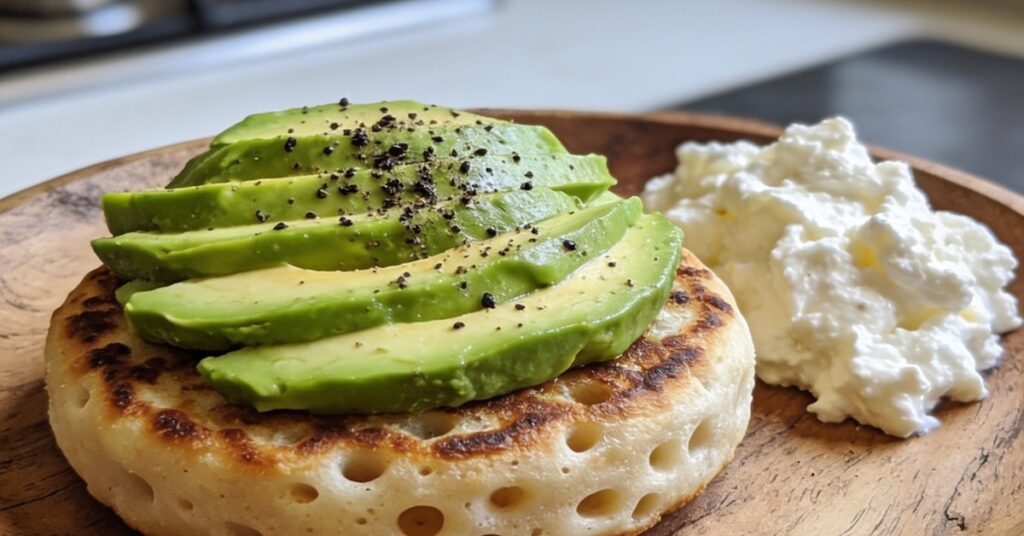
To transform a basic crumpet into a supportive meal, incorporate proteins and healthy fats that promote better digestive absorption. Excellent additions include mashed avocado with black pepper for heart-healthy fats, or low-fat cottage cheese paired with tomato slices for a protein boost. For a sweet yet balanced alternative, consider using low-fat Greek yogurt topped with fresh berries, or spreading nut butter with a sliced banana.
Important: Always consult your transplant dietitian before making major diet changes, as your specific medical history and medication regimen may require unique nutritional adjustments.
Managing Blood Sugar When You Make Crumpets a Healthier Choice
Crumpets are generally not the first choice for rigorous blood sugar control, as they have a glycaemic index of approximately 69. A standard 60g crumpet contains roughly 23 to 25 grams of carbohydrates and only about 2 grams of fibre. If you choose to include them, always pair them with a robust protein source to slow down digestion and stabilise your post-prandial glucose levels. For many, the question is not just are crumpets healthy, but rather how can I customise them to suit my specific glucose tolerance and digestive capacity?
Frequently Asked Questions
Can I eat crumpets if I am on a low-residue diet?
Yes, because they are made from refined white flour, they are generally low in residue and often well-tolerated during specific recovery phases. However, you must always confirm this with your transplant team, as individual tolerances following abdominal surgery can vary significantly.
Are there gluten-free alternatives that are safer for my gut?
There are many gluten-free varieties available, but these often rely on starches that may not offer additional nutritional benefits over standard wheat versions. Always scrutinise the label for added gums or emulsifiers that might trigger bloating or discomfort in a sensitive post-transplant gut.
How do I know if the salt content is too high for me?
If you are managing fluid retention or blood pressure post-transplant, you should look for „no added salt” or „low sodium” versions of these baked goods. Keeping your total daily sodium intake within the specific limits set by your medical team is far more important than the salt content of any single snack.
Is it better to toast them or eat them fresh?
Toasting them can slightly alter the starch structure, but the primary health impact comes from the quality of the base product and the toppings you choose. Focus on the nutritional profile of the accompaniment rather than the heat method, as the digestibility difference is negligible for most patients.
Prioritise nutrient-dense, whole-food toppings to compensate for the limited fibre and protein found in standard refined crumpets. Always verify your individual tolerance for these processed carbohydrates with your clinical team to ensure they support your unique intestinal recovery goals.