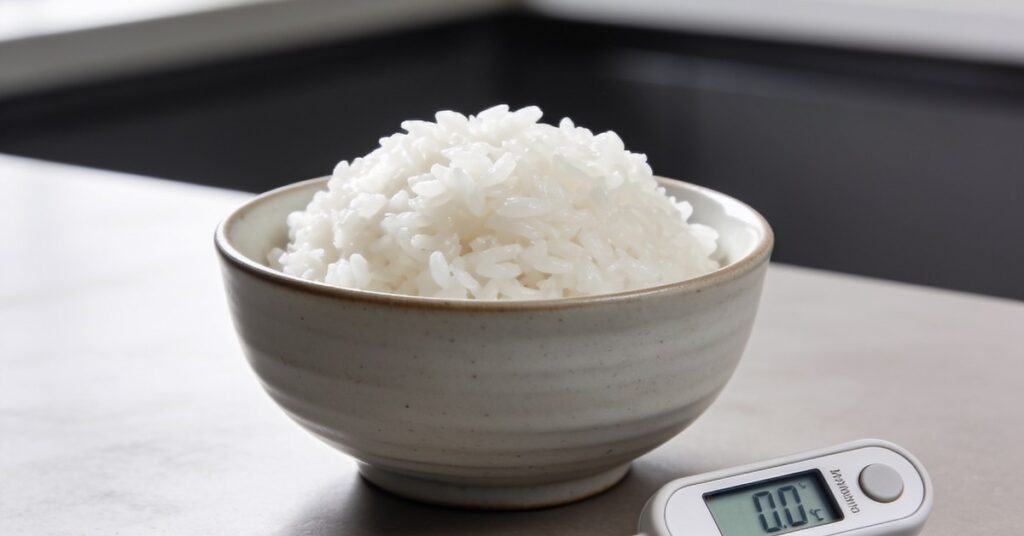
For patients navigating the complexities of intestinal transplantation or chronic digestive recovery, understanding the safety profile of everyday staples like rice is vital for preventing avoidable gastrointestinal distress. In this guide, I will break down the clinical risks of Bacillus cereus, explain the precise protocols for safely storing and reheating leftovers, and detail how to leverage the nutritional benefits of resistant starch to support your gut health. By following these evidence-based practices, you can confidently manage your dietary choices while maintaining the highest standards of food safety at home.
Can you eat rice cold?
It is perfectly acceptable to consume rice cold, provided that it has been chilled rapidly and placed immediately into the refrigerator. Adhering to strict food safety protocols is essential to prevent the development of harmful bacteria.
Essential Safety Guidelines for Rice Storage
- Rapid Cooling: To prevent the proliferation of microbes, you must transfer cooked rice into the refrigerator within one hour.
- Time Constraints: For optimal safety, any refrigerated cold rice should be consumed within 24 hours.
- Avoid Room Temperature: Never leave rice sitting out on a worktop or inside a rice cooker for longer than one to two hours, as this creates a breeding ground for pathogens.
The Risks of Improper Handling
The primary concern regarding room-temperature rice is the bacterium Bacillus cereus. This microorganism produces toxins that remain undetectable, as they do not alter the appearance, smell, or taste of the food. Consuming contaminated rice can lead to food poisoning, making correct storage non-negotiable.
Potential Nutritional Benefits
Interestingly, cooling cooked rice may offer distinct health advantages. The process of refrigeration alters the starch molecular structure, converting it into resistant starch. This form of fibre is beneficial for gut health and may assist in stabilising blood sugar levels and managing cholesterol.
Handling Best Practices
To ensure your leftovers are safe to eat, distribute cooked rice into smaller, shallower containers immediately after preparation. This allows the heat to dissipate faster, facilitating a more rapid reduction in temperature before the rice is placed in the fridge. While some sources suggest that refrigerated rice may remain safe for up to three or four days, strict adherence to a 24-hour limit is the safest approach for those concerned about bacterial growth.
Can You Safely Eat Cold Rice and Manage Risks of Eating It?
You can eat rice cold only if it has been handled, cooled, and stored with absolute precision to prevent the dangerous proliferation of bacteria. Many people ask, „Can You Eat Rice Cold” without considering the bacterial clock ticking once the grain leaves the heat. If you are ever in doubt about how long a grain-based dish has been sitting out, it is strictly safer to discard it rather than risk the complications associated with foodborne illness.
Understanding Food Poisoning from Bacillus Cereus and Risks of Eating Leftover Rice
The primary concern with consuming cold rice is Bacillus cereus, a bacterium that produces heat-stable toxins capable of causing severe vomiting and diarrhoea. These spores are remarkably resilient and can survive the initial boiling or cooking process, meaning they remain present in your rice ready to multiply if given the chance. Important: Leftover rice should be treated as a high-risk item because once these toxins are produced, neither further heating nor cooling will destroy them, rendering the food unsafe regardless of your preparation method. Understanding the exact nature of these pathogens is essential when you evaluate the question: Can You Eat Rice Cold? The answer remains a firm „only if managed with extreme caution” because the toxins are invisible, tasteless, and odourless, yet they can derail your recovery in a matter of hours.
Recognising How to Make You Sick and Symptoms of Bacillus Cereus
You need to be aware that symptoms of Bacillus cereus poisoning usually appear rapidly, with emetic (vomiting) symptoms starting within one to six hours of consumption, while diarrhoeal symptoms typically manifest within six to 15 hours. These episodes can be physically exhausting and potentially dangerous for patients with compromised intestinal function, with the effects often lasting up to 24 hours. By understanding that these symptoms are a direct result of bacterial multiplication, you can better appreciate why strict adherence to the „danger zone” rules—specifically avoiding the temperature range between 40°F (4°C) and 140°F (60°C)—is non-negotiable for your health.
Best Practices to Cool Rice Quickly and Keep Cooked Rice Safe
The safest way to handle cooked rice is to cool it quickly in shallow containers and place it in the refrigerator within one hour of cooking. Post-transplant recovery is a journey, and managing your nutrition is a huge step toward getting back to normal life; keeping your food safety protocols tight is just one part of that process. Use the table below to ensure your storage habits are up to scratch:
| Action | Recommended Limit |
|---|---|
| Cooling time after cooking | Within 1 hour |
| Fridge storage duration | Max 24 hours |
| Fridge temperature | 4°C (40°F) or below |
| Reheating frequency | Only once |
How to Reheat Rice Properly and Reheat Rice Safely
You must reheat cold rice until it is piping hot throughout, reaching an internal temperature of at least 74°C (165°F), to ensure it is safe for consumption. When preparing your portion, follow these steps to ensure you’re doing it like a pro:
- Add 1–2 tablespoons of water per cup of rice to maintain moisture.
- Use a microwave in 30-second intervals or an oven at 150°C–160°C.
- Check that the centre is steaming hot before serving.
- Never reheat the same portion more than once.
Nutritional Benefits and How to Eat Cold Rice Dishes
Cooling cooked white rice for 24 hours at 4°C significantly increases its resistant starch content, which can be highly beneficial for gut microbiome health. Unlike standard starch, this resistant form passes through your stomach and small intestine without breaking down, acting as a prebiotic that nourishes the beneficial bacteria in your colon. As these microbes ferment the starch, they produce short-chain fatty acids, which play a crucial role in maintaining intestinal mucosal integrity and overall digestive wellness.
Digestive Benefits for Sensitive Guts
Consuming rice that has been cooled offers a lower postprandial glycaemic response, meaning it does not cause the same rapid spike in blood sugar associated with freshly cooked, hot rice. This can be particularly useful for those managing metabolic-related digestive issues or those who find that cooling the rice helps them feel satiated for longer periods. Research, including studies by S. Sonia, confirms that this cooling process is an effective way to modify the digestibility of the grain, providing a more stable energy release while simultaneously reducing the total count of absorbable calories in your meal. Remember: Cooling rice is a clever hack for managing your glycaemic response, but only if you have followed the strict cooling safety rules first.
Frequently Asked Questions
Can I safely freeze cooked rice for long-term storage?
Yes, you can safely freeze cooked rice for three to six months to maintain quality and safety. Ensure you portion the rice into airtight containers immediately after it has cooled to prevent ice crystal formation and freezer burn.
Is it safe to reheat rice that has been stored for three days?
No, it is not recommended for transplant patients or those with sensitive digestive systems to keep rice in the fridge for longer than 24 hours. While some general sources allow for 3-4 days, the risk of bacterial toxin production makes 24 hours the safest limit.
How can I tell if my rice has developed toxins?
Unfortunately, you cannot smell, taste, or see toxins produced by Bacillus cereus. Because these toxins are heat-stable, they remain dangerous even if the rice appears and smells perfectly normal, which is why strict time and temperature management is vital.
Should I avoid rice dishes if I have an ostomy?
Rice is generally well-tolerated by most patients, but you should always consult your specific transplant dietitian regarding your unique dietary needs. Focus on well-cooked, properly stored portions to ensure the rice is easy to digest and free from potential contamination.
Always prioritise your safety by cooling rice within one hour and reheating it to 74°C, as consistent temperature control is the most reliable way to protect your recovering gut. You deserve the peace of mind that comes from knowing your meals are nourishing your body without any unnecessary risks.