For those navigating the complexities of post-transplant recovery or chronic digestive conditions, understanding the precise safety protocols for handling leftovers like rice is vital to preventing foodborne illness. This article provides evidence-based guidance on how to safely store and reheat rice, ensuring you can manage your daily nutrition with confidence and professional-grade caution. By following these clear, expert-backed steps, you will learn exactly how to protect your gut health while maintaining a practical and stress-free approach to your diet.
Can you reheat rice?
Essential Food Safety Guidelines for Reheating Rice
Reheating rice is perfectly safe, provided you follow strict protocols regarding cooling, storage, and thermal preparation. It is vital to ensure that the rice is piping hot throughout before consumption. Under no circumstances should you consume rice that has been left sitting at room temperature for an extended period, and you must never reheat the same portion of rice more than once.
Understanding Bacterial Hazards
The primary concern with rice stems from the presence of bacteria, such as Bacillus cereus, which can be found in soil and may persist on raw rice grains. While the initial boiling process eliminates most bacteria, it does not destroy all potential spores. Consequently, improper storage after cooking can allow these spores to flourish and produce harmful toxins that are heat-resistant.
Guidelines for Safe Preparation and Storage
- Rapid Cooling: Transfer any surplus rice into the refrigerator within sixty minutes of cooking to minimise the time it spends in the temperature danger zone.
- Disposal of Unsafe Rice: If rice has been left out overnight at room temperature, it must be discarded immediately. Reheating will not neutralise the toxins produced by bacteria during that time.
- Single Reheat Only: Rice should only be reheated on one occasion.
Recommended Reheating Methods
To restore your leftover rice to a fluffy consistency and ensure it is safe to eat, use one of the following methods:
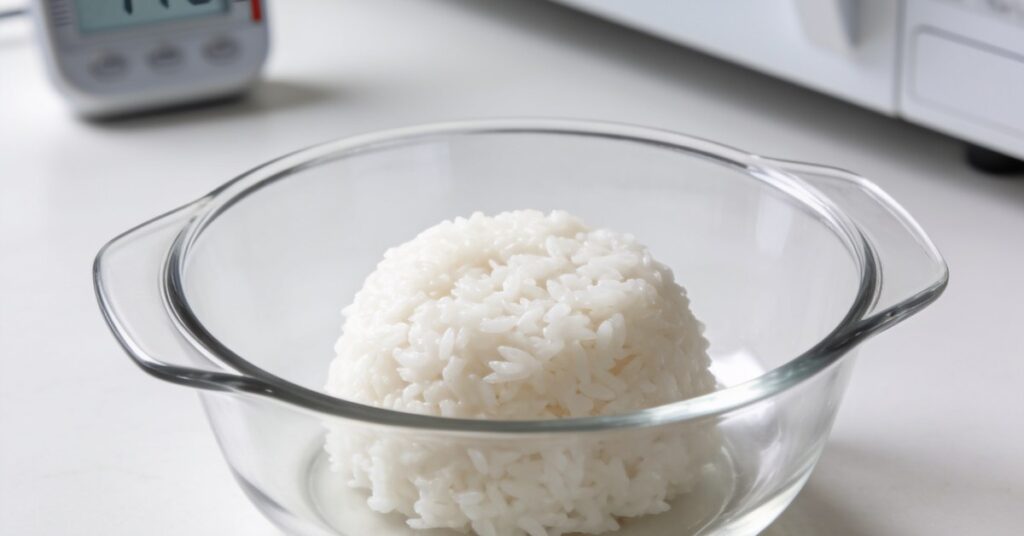
- Microwave: Place the rice into a suitable dish, add a small volume of water, and cover it to retain the steam. Heat in short intervals until it is steaming hot throughout.
- Stovetop: Transfer the rice to a saucepan, add a light splash of water, cover with a tight-fitting lid, and warm gently over a low heat.
Practices to Avoid
You should never attempt to reheat rice using a rice cooker, as these appliances do not maintain the consistent internal temperature required to keep food safe, which could lead to health risks. Furthermore, to accelerate the cooling process before refrigeration, you may wish to spread the rice thin on a tray or rinse it briefly under cold running water to prevent it from becoming clumped.
Is It Safe To Reheat Rice And How To Prevent Food Poisoning
Reheating rice is perfectly safe, provided that you strictly adhere to professional food safety and hygiene protocols to mitigate the risks of bacterial growth. Many patients often ask, „Can You Reheat Rice” without considering the invisible microbial threats that might be lurking in their kitchen, but with the right technique, it becomes a routine, safe practice. For patients managing intestinal health or recovering from a transplant, the primary concern is the bacterium Bacillus cereus, which is notoriously associated with food poisoning from improperly handled rice. Because the spores of this germ can survive the initial boiling process, they can germinate into toxins if the grain is left at room temperature, making the cooling and reheating process a matter of clinical priority for your digestive wellbeing.
Essential Food Safety And Hygiene Protocols To Store Rice Correctly
Maintaining a rigorous safety routine is the most effective way to prevent the proliferation of harmful pathogens in your kitchen. Post-transplant recovery is a journey, and managing your nutrition is a huge step toward getting back to normal life; keeping your kitchen habits as precise as your medication schedule is just part of the deal. If you have ever wondered, „Can You Reheat Rice” while staring at a container of leftovers, know that the safety of that meal depends entirely on what happened during the first hour after the stove was turned off.
Proper Cooling And Refrigeration Techniques
You must cool your cooked rice and place it into the refrigerator within one hour of preparation to ensure it remains safe for future consumption. Never allow cooked rice to sit out at room temperature for more than two hours, as this window allows the rapid multiplication of bacteria. To store it correctly, use an airtight container or a sealed freezer bag, ensuring your refrigerator temperature is consistently maintained at or below 4°C (40°F). Following these steps ensures your gut isn’t fighting unnecessary battles.
| Storage Method | Maximum Safety Duration |
|---|---|
| Refrigerator | 1 to 2 days (max 24h recommended) |
| Freezer | Up to 2 months |
| Room Temperature | Discard after 2 hours |
Effective Ways To Reheat Rice And Reheat Cooked Rice Safely
Reheating rice properly requires that you elevate the internal temperature of the entire portion to at least 74°C (165°F) to ensure any dormant bacteria are effectively neutralised. This temperature threshold is the gold standard for food safety, acting as a critical barrier against the potential risks associated with Bacillus cereus. When you are preparing to eat, check the grain quality visually; ensure it does not have a dull or discoloured appearance, which can be an early indicator that the integrity of the food has already been compromised by improper storage.
Recommended Reheat Rice In The Microwave Methods
To ensure your meal is safe and palatable, follow these preparation steps:
- Add 1 tablespoon of water or broth to the rice to prevent it from drying out.
- Cover the container with a damp paper towel or microwave-safe lid to trap steam.
- Heat in short 30-to-45-second intervals, stirring thoroughly between each to ensure even heat distribution.
Important: Always ensure the internal temperature reaches at least 74°C (165°F) before consumption to maintain optimal graft function and avoid digestive distress.
Guidelines For Frequency And Avoiding Food Poisoning From Reheated Rice
You may only reheat rice once, as the chemical and biological risks increase significantly with every cycle of cooling and warming. It is imperative that you do not reheat rice twice; if you have leftovers after the first reheat, you must discard them immediately. This single-reheat rule is a non-negotiable safety standard for those whose intestinal health requires the highest level of vigilance.
- Keep a food diary to track how your body reacts to different types of grains.
- Consult your transplant dietitian if you experience persistent bloating or discomfort.
- Monitor your symptoms closely; if you feel „off” after a meal, it is better to be safe and skip the leftovers.
Signs That Leftover Rice Has Gone Bad
You can identify spoiled rice by checking for a sour, funky, or yeast-like smell, which are immediate indicators that the food is no longer safe to eat. Additionally, look for physical changes such as a slimy, gooey, or slippery texture, and inspect the grains for any fuzzy green, blue, black, or white mold patches. If the rice has become unnaturally hard, dry, or crunchy, or if it has been sitting in your refrigerator for more than three to four days, do not attempt to reheat it. Remember: If in doubt, throw it out—your immunosuppression means your body needs clean, safe fuel, not a bacterial experiment.
Frequently Asked Questions
Is it safe to consume frozen rice after reheating?
Yes, frozen rice is safe to consume if you defrost it thoroughly in the refrigerator overnight before reheating. Ensure the internal temperature hits 74°C to guarantee it is safe for consumption.
What are the primary symptoms of food poisoning from reheated rice?
The most common symptoms include nausea, vomiting, and abdominal cramps which typically appear within a few hours of consumption. If you experience these signs, contact your medical team immediately, especially if you have an compromised immune system.
Can I reheat rice twice if I store it properly?
No, you should never reheat rice twice under any circumstances. Every cooling and reheating cycle increases the risk of bacterial toxin production, which cannot be eliminated by subsequent heating.
Does the type of rice affect how I should reheat it?
While the safety protocols remain the same for all varieties, some types like brown rice may require slightly more liquid during the reheating process to maintain texture. Always prioritize the 74°C internal temperature requirement regardless of the variety used.
Adhering to strict cooling and heating cycles is the most reliable way to ensure that your rice remains a safe and energy-dense part of your recovery diet. Always verify that your portions reach an internal temperature of 74°C to fully protect your gut health and enjoy your meal with peace of mind.