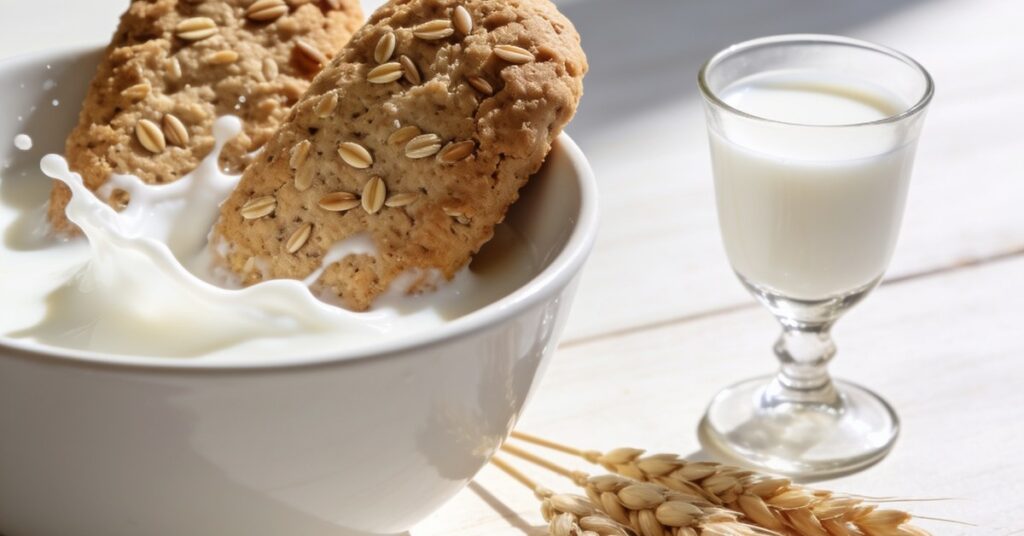
For those navigating the complexities of intestinal recovery or life post-transplant, understanding the nutritional impact of everyday staples like Weetabix is essential for maintaining gut health and consistent energy levels. In this article, I will provide a clinical, evidence-based breakdown of its nutritional profile, helping you determine how to safely integrate this whole-grain cereal into your specific dietary management plan. You will learn exactly what to expect from its fibre and micronutrient content, ensuring you can make informed, confident choices for your digestive wellbeing.
When patients ask me, „Is Weetabix good for you?”, I always explain that it is generally considered a healthy, nutrient-dense breakfast choice for most people, particularly due to its high whole-grain content and minimal sugar and salt levels. For those managing intestinal health, it serves as a reliable source of fibre and essential B-vitamins, though its suitability depends heavily on your specific digestive tolerance and whether you require a strictly gluten-free diet.
Is Weetabix good for you
The Nutritional Profile of Original Weetabix
Original Weetabix is frequently regarded as a wholesome and nourishing breakfast option. It is recognised for being low in salt, fat, and sugar, while providing a significant source of wholegrain fibre. A typical serving consisting of two biscuits provides between 130 and 136 calories, along with 4 grams of fibre and a boost of essential iron and B-vitamins.
Health Advantages of Incorporating Weetabix into Your Diet
When evaluating the health benefits of breakfast cereals, the evidence clearly shows why Weetabix is a sensible choice. Here are the primary reasons why it is considered beneficial for your health:
- High Fibre Content: Assists in maintaining healthy digestion and optimal gut health.
- Low Sugar and Salt: Each serving of two biscuits contains approximately 1.7g of sugar and 0.1g of salt.
- Fortified Minerals: It includes additional iron and essential B-vitamins, such as thiamin, riboflavin, and niacin, which help the body release energy from food.
- Low Fat: Contains less than 1g of fat per serving.
Key Ingredients
The composition of Weetabix is primarily wholegrain, featuring the following ingredients:
- 95% wholegrain wheat
- Malted barley extract
- Sugar
- Niacin
- Iron
- Thiamin (B1)
- Riboflavin
- Folic acid
Potential Limitations
While the product has many upsides, it is important to be aware of certain drawbacks:
- Minimal Protein: Consumed alone, it lacks the necessary protein and fat content to keep you feeling full for an extended duration.
- Not Gluten-Free: As it is produced from wheat, it is unsuitable for individuals with coeliac disease or gluten sensitivities.
- Variations in Sugar: Certain flavoured or specialised versions of the cereal often contain higher levels of added sugar compared to the original recipe.
How to Enhance Your Weetabix Serving
Although the original flavour can be quite plain, you can easily improve both the taste and the nutritional value with these simple additions:
- Boost the Protein: Serve with Greek yoghurt, soy milk, or dairy milk to improve your protein intake and keep hunger at bay for longer.
- Add Nutritious Toppings: Include fresh fruits like bananas or berries, or a dollop of nut butter to increase the amount of healthy fats, fibre, and vitamins in your morning meal.
Nutritional Profile and Whole Grain Benefits of Weetabix
Weetabix is highly regarded for its nutritional composition, being made of 95% whole-grain wheat which provides a solid foundation of complex carbohydrates. Below is a snapshot of what you get in a standard two-biscuit serving:
| Nutrient | Amount per 2-biscuit serving |
|---|---|
| Calories | 136 kcal |
| Protein | 4.5g |
| Fibre | 3.8g |
| Fat | <1g |
Furthermore, it is fortified with vital micronutrients, including iron, thiamin, riboflavin, niacin, and folic acid, which are crucial for patients recovering from surgery or managing intestinal failure to support metabolic function and combat anaemia. If you are questioning „Is Weetabix good for you” in the context of post-surgical recovery, the fortification here is a genuine bonus for your metabolic recovery markers.
Maintaining Healthy Blood Sugar and Low Sugar Intake
Weetabix Original is an excellent choice for heart-conscious individuals because it is classified as a low-sugar and low-salt food. A two-biscuit serving contains only 1.6g to 1.7g of sugar, which equates to approximately 4.4g per 100g. Regarding sodium, a two-biscuit serving contains just 0.1g of salt, representing less than 2% of an adult’s recommended daily intake, which helps in preventing spikes in blood sugar compared to highly processed alternatives.
Why Weetbix Ticks All the Healthy Eating Boxes
Standard Weetabix is not gluten-free and is generally unsafe for individuals with coeliac disease or severe gluten sensitivity, as it contains 95% to 97% whole-grain wheat. A single 15g biscuit contains approximately 1.5g of gluten, far exceeding the 20ppm safety threshold required for those with coeliac conditions. If you are sensitive to wheat, barley, or oats, you should avoid standard Weetabix and Oatibix, and instead look for certified gluten-free alternatives like Sanitarium Gluten Free Weet-Bix, which uses sorghum to provide a similar texture without the risk of cross-contamination.
Ultra-Processed Foods and Eating Weetabix Safely
While Weetabix is manufactured through industrial shaping and cooking processes, it remains a distinct nutritional option compared to many other ultra-processed foods. Although some sources classify it as a UPF due to the inclusion of malted barley extract and industrial processing, its minimal sugar and salt profile sets it apart. Post-transplant recovery is a journey, and managing your nutrition is a huge step toward getting back to normal life, so always focus on the total nutritional picture rather than just the label.
Strategic Use for Weight Management and Healthy Breakfast
Weetabix is highly suitable for weight management diets because a two-biscuit serving provides a controlled 136kcal, which rises to approximately 205kcal when served with 150ml of semi-skimmed milk. To manage your intake effectively and make Weetabix a staple of your routine, follow these steps:
- Consult your transplant dietitian about your specific daily calorie target.
- Keep a food diary to track how your gut responds to the high-fibre content.
- Monitor your energy levels during the day to ensure you are getting enough fuel.
- Combine your breakfast with moderate aerobic activity to support long-term metabolic health.
The Best Healthy Toppings for a Bowl of Weetabix
Weetabix is nutritionally superior to most chocolate or frosted cereals because it contains significantly less sugar and saturated fat. While it shares similar health benefits with Shredded Wheat, it is important to note that it provides a lower protein content than high-protein breakfast staples like eggs or Greek yoghurt. When you evaluate „Is Weetabix good for you” against other cereals, consider adding healthy toppings like fresh berries, nuts, or seeds to enhance the satiety and nutritional value of your bowl of Weetabix.
Frequently Asked Questions
Can I eat Weetabix if I am strictly monitoring my daily salt intake?
Yes, you can safely include it as it contains only 0.1g of salt per serving, which is well within the limits for a low-salt diet. This makes it an ideal choice for patients who need to strictly manage their cardiovascular health.
Does the fiber content in Weetabix cause digestive distress for transplant patients?
Generally, the 3.8g of fibre is well-tolerated, but you should introduce it slowly to your diet to monitor your gut’s reaction. Always consult your surgical team to ensure the fibre levels align with your current stage of intestinal recovery.
Are there significant differences between Original and Chocolate Weetabix for my health?
Yes, there is a major difference, as the Chocolate variety contains 7.7g of sugar compared to the 1.6g in the Original. For those focusing on stable nutrition, the Original version is the far superior choice for your daily health.
How does the fortification in Weetabix help with post-transplant recovery?
The added iron and B-vitamins, such as niacin and riboflavin, help combat the anaemia and metabolic fatigue often seen after major surgery. These nutrients are essential for rebuilding energy stores and supporting overall graft health.
Your digestive tolerance remains the ultimate judge of whether this fortified cereal belongs in your daily routine. Always prioritise clinical guidance from your transplant team to ensure any dietary additions align safely with your unique intestinal requirements.