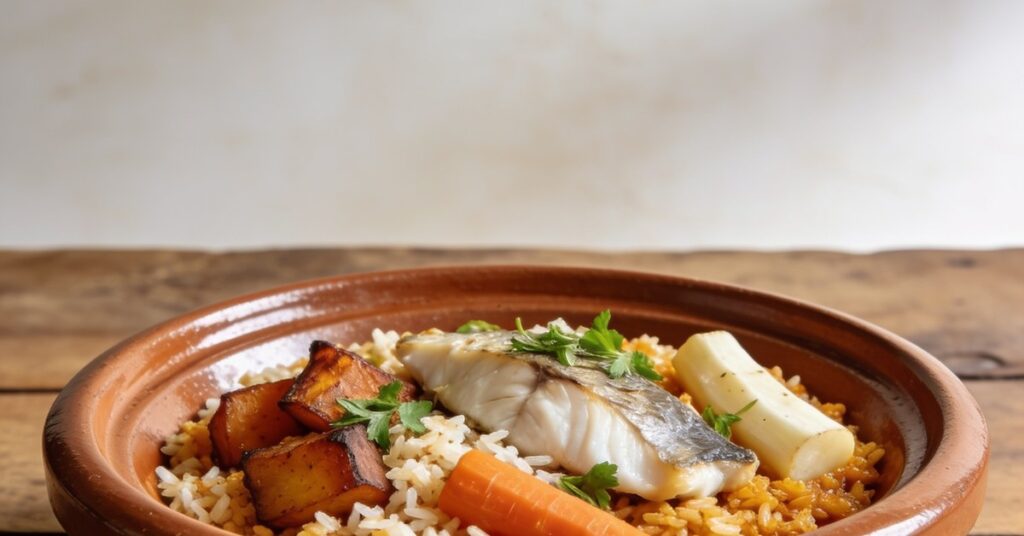
For patients navigating the complexities of post-transplant recovery or chronic intestinal failure, understanding how to safely approach diverse culinary traditions like those of Senegal is a vital component of maintaining long-term nutritional stability and gut health. In this article, you will learn how to evaluate traditional Senegalese ingredients and dishes against clinical dietary guidelines, providing you with the practical knowledge needed to make informed, safe choices during travel or when diversifying your home-cooked meals. We will explore how to adapt these vibrant flavours to suit your specific digestive requirements, ensuring you can enjoy a culturally rich diet without compromising your clinical progress.
Foods in Senegal
The Essence of Senegalese Culinary Traditions
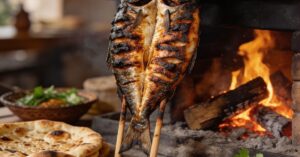
The culinary landscape of Senegal is a vibrant tapestry of West African flavours, characterised by an abundance of fresh coastal seafood, zesty marinades, and a deep-rooted tradition of communal dining. The country’s geography, situated along the Atlantic coastline, plays a pivotal role in shaping its gastronomy, making fish a fundamental component of the national diet.
Key Ingredients and Dietary Staples
Whilst ethnic groups across the nation may maintain distinct culinary customs, most traditional Senegalese meals are anchored by a core set of ingredients. Because of deeply held Islamic traditions, pork is excluded from the local diet, with preference given to other proteins.
- Seafood: The Atlantic Ocean provides a consistent supply of fresh white fish, tilapia, and tuna.
- Meats: Chicken, lamb, and beef are the primary meats used in household cooking.
- Produce: Peanuts, which serve as a major cash crop, are essential. Other staples include cassava, okra, sweet potatoes, and a profusion of onions and garlic, which form the flavour base for most stews.
Iconic Senegalese Dishes
Senegalese cuisine is renowned for several signature preparations that have gained international recognition:
- Thieboudienne (or Ceebu Jën): Widely regarded as the national dish, this masterpiece consists of fish and broken rice simmered in a robust, flavourful tomato sauce alongside a variety of fresh vegetables.
- Poulet Yassa: A savoury delight featuring chicken marinated in a mixture of lemon juice, vinegar, and a generous quantity of caramelised onions.
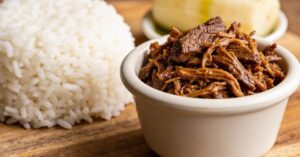
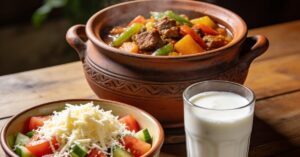
- Mafé: A hearty and rich stew where meat or fish is slow-cooked in a creamy, savoury peanut butter sauce.
- Jollof Rice: A staple across West Africa, this rice dish is prepared with a fragrant base of tomatoes, onions, and peppers.
- Thiakry: A popular, comforting dessert made from couscous blended with yogurt, sour cream, and dried fruits.
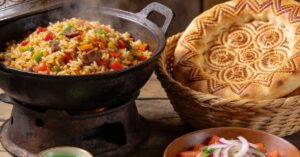
- Cebbu Yapp: A traditional and satisfying dish consisting of seasoned rice accompanied by tender meat.
The Culture of Communal Dining
In Senegal, food is more than mere sustenance; it is a vital expression of hospitality and family cohesion. Traditionally, meals are served in a large, communal bowl placed in the centre of the gathering. It is customary for diners to use only their right hand to scoop up the rice and stews. Sharing a meal from a single platter reinforces social bonds and remains a cornerstone of daily local life.
The Essential Nutritional Profile of Senegalese Cuisine and Peanut Based Dishes
Senegalese cuisine is fundamentally defined by a reliance on broken rice, millet, fonio, and couscous, which serve as highly digestible carbohydrate foundations for most daily meals. These grains are frequently paired with high-quality protein sources such as white fish, chicken, lamb, and beef, supplemented by a nutrient-dense variety of vegetables including Cassava, sweet potatoes, carrots, cabbage, eggplant, and okra. The use of Peanut for thickening stews, alongside flavour enhancers like habanero peppers, palm oil, and black peppercorns, creates a diet that is naturally rich in essential macronutrients and diverse micronutrients, provided the fat and spice levels are managed according to individual gut tolerance. When considering the broad range of foods in Senegal, it is the balance of these staples that offers the most clinical value for those managing intestinal absorption issues.
Understanding the National Senegalese Dish: Thieboudienne
Thieboudienne, or Ceebu Jën, is the national Senegalese dish of Senegal, historically originating in the coastal city of Saint-Louis in the 19th century and recognised by UNESCO in 2021 for its unique cultural and gastronomic significance. The dish is prepared using broken rice as a base, simmered in a rich tomato broth alongside marinated white fish and an array of vegetables such as Cassava, cabbage, carrots, eggplant, and okra. To achieve its authentic depth of flavour, the fish is typically stuffed with 'nokoss’—a marinade of garlic, parsley, chili, and onions—and often includes 'yet’, a fermented and dried sea snail that provides a significant boost of umami. While the complexity of flavours is incredible, I always remind my peers that the intensity of these aromatics can sometimes challenge a sensitive gut, so moderation is key.
Practical Dietary Adaptations for Vegetarians and Mafe Stew
Vegetarian patients can safely enjoy the benefits of Senegalese cuisine by focusing on nutrient-dense plant-based Mafe stew, which features a Peanut butter base combined with sweet potatoes, carrots, cabbage, and pumpkin. Other excellent options include Ndambe, a stew of black-eyed peas in a spiced tomato and onion sauce often served with French baguette, or various millet-based dishes like Thiéré, which can be easily paired with vegetable-only sauces. For those seeking variety, Mborokhe, Lakh, and Ngalax are traditional preparations that can be successfully adapted to be entirely vegetarian, offering a fiber-rich alternative to meat-heavy meals without sacrificing the traditional flavour profile. Exploring these specific foods in Senegal allows for a plant-based approach that maintains high nutritional density while remaining gentle on the gastrointestinal tract.
Navigating Street Food and the Fish and Rice Tradition
Street foods in Senegal, while culturally iconic, should be approached with caution by transplant recipients due to their reliance on deep-frying and high-fat preparation methods. Items such as Fataya (fried pastry pockets stuffed with minced meat or fish) and Akara (deep-fried fritters made from ground black-eyed peas) are popular snacks, but the high oil content may cause delayed gastric emptying or discomfort for those with sensitive digestive systems. Similarly, Pain Ndambé—a baguette sandwich filled with spiced black-eyed pea stew—or fire-roasted Dibi (lamb served with onions and mustard) require careful portion control to ensure they do not exceed the fat or protein absorption thresholds of a recovering digestive tract.
- Request grilled options instead of deep-fried to minimise excess oil.
- Monitor your symptoms for 24 hours after trying a new street food item.
- Keep a food diary to track how specific spice blends affect your graft function or comfort levels.
Traditional Beverages and Hydration Rituals in Senegal
Hydration in Senegal is often achieved through traditional, nutrient-dense beverages like Bissap, a sweet herbal juice brewed from dried Hibiscus sabdariffa petals, which is officially recognised as the national drink. Other common refreshments include Bouye, made from the pulp of the baobab fruit, and Gingembre, a vibrant drink prepared from fresh ginger root often mixed with pineapple or lemon juice. For those who enjoy coffee, Café Touba is a unique local specialty originating from the city of Touba, roasted and ground with djar (grains of Selim) and cloves; meanwhile, the Attaya tea ritual, involving three sequential stages of brewing Chinese gunpowder green tea with mint and sugar, is a central social experience that should be enjoyed in moderation to account for the caffeine and sugar content.
Cultural Dining Etiquette and Hygiene Protocols
Dining in Senegal is a deeply communal experience, with meals typically served in a single large platter and governed by strict social etiquette that reinforces necessary hygiene standards for transplant patients. Diners are expected to wash their hands thoroughly both before and after eating, and it is mandatory to eat exclusively using the right hand, consuming food only from the section of the bowl directly in front of them. As the eldest person or host must initiate the meal, these structured social rituals provide a natural framework for healthy eating habits, though patients should be aware that meals are often separated by gender and age, which may influence the social context of their dining experience.
Authentic Culinary Experiences in Dakar
Visiting Dakar provides the most authentic opportunity to experience Senegalese gastronomy, with restaurants like Bazoof offering traditional beef Mafe and Cassation specialising in fresh, grilled seafood. Ever wondered if this fits into your recovery plan? Post-transplant recovery is a journey, and managing your nutrition is a huge step toward getting back to normal life; in my experience, sticking to the guidance of the transplant team while exploring local flavours is the best policy. Engaging in these activities allows patients to see the raw components of the diet firsthand, making it easier to identify which ingredients are safe to incorporate into their own recovery-focused meal plans. Whether you are sampling the national fish and rice dish or local street bites, the range of foods in Senegal provides a vast palette, provided you maintain your clinical vigilance.
Frequently Asked Questions
Are raw onions commonly served with grilled meats in Senegal safe for my gut?
Raw onions are a common accompaniment to grilled dishes like Dibi, but they are high in fructans which can trigger bloating or discomfort in sensitive digestive systems. It is advisable to opt for cooked onions or avoid them if you have a history of post-prandial intestinal distress.
Is the baobab fruit drink Bouye suitable for a low-sugar diet?
Bouye is derived from the baobab fruit and is naturally nutritious, but it is frequently sweetened heavily with added sugar during preparation. You should inquire about the preparation process or consume only small portions to prevent blood sugar spikes and osmotic diarrhoea.
How can I ensure the hygiene of communal dining in Senegal?
Communal dining involves shared platters, which can be a risk for foodborne illness if hand hygiene is not strictly followed by all participants. You may choose to request a separate portion served on a clean plate to ensure your personal safety while respecting local social rituals.
Does the Attaya tea ritual contain significant amounts of caffeine?
Attaya is prepared using strong green tea, which is naturally caffeinated and can act as a gut stimulant or affect sleep patterns. If you are sensitive to caffeine, it is best to limit your intake or opt for herbal infusions like Bissap instead.
Embracing the rich culinary traditions of Senegal is entirely possible when you prioritise nutrient-dense, easily digestible staples while staying closely attuned to your body’s unique clinical signals. Always consult your transplant team to ensure your dietary choices remain safely aligned with your long-term recovery goals.