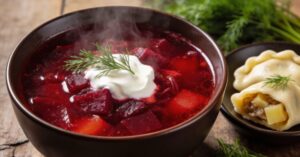
Exploring the traditional Foods of Iraq offers a unique opportunity to enrich your diet, yet for those of us navigating intestinal transplantation or chronic digestive recovery, it requires a careful balance between cultural appreciation and clinical safety. This article provides evidence-based guidance on how to identify, modify, and enjoy these flavourful dishes while respecting the physiological limitations of your digestive system. You will learn practical strategies to safely integrate Iraqi staples into your nutritional plan, ensuring that your journey toward health remains both culturally fulfilling and medically sound. As you embark on this culinary adventure, remember that the history of Iraq cuisine is as deep as the Tigris and Euphrates rivers, offering a complex tapestry of flavours that have evolved over millennia to influence many other Middle Eastern countries.
Foods of Iraq
An Overview of Iraqi Culinary Heritage
Iraqi cuisine is deeply rooted in the ancient traditions of Mesopotamia, showcasing a sophisticated balance of flavours. The country’s gastronomy relies heavily on staples such as fragrant basmati or amber rice, succulent lamb, and fresh fish sourced from the Tigris and Euphrates rivers. These ingredients are elevated by a complex blend of aromatic spices and regional techniques that have been refined over thousands of years.
Signature Dishes and National Staples
Iraqi cooking is renowned for its heartiness and distinct flavour profiles, which often incorporate tangy notes from tamarind, pomegranate, and preserved fruits.
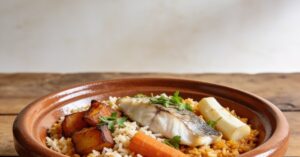
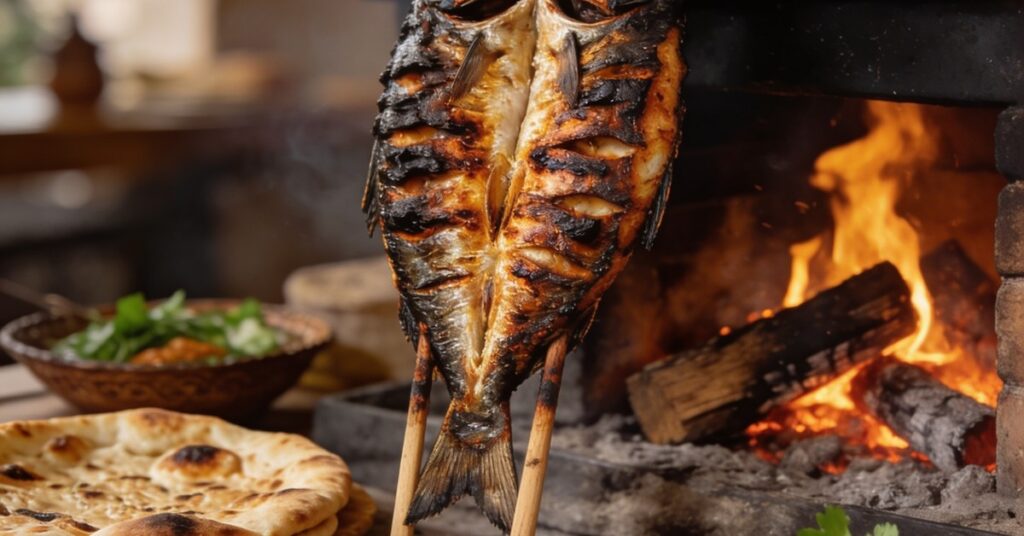
- Masgouf: Recognised as the national dish of Iraq, this involves butterflying a fresh river carp, which is then seasoned with rock salt, olive oil, tamarind, and garlic before being slow-roasted over an open wood fire.
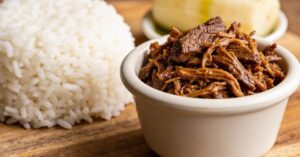
- Quzi: A celebratory feast consisting of slow-cooked, tender lamb served atop a bed of fragrant, spiced rice, frequently garnished with raisins, sultanas, and roasted nuts.
- Dolma: A unique Iraqi preparation where vine leaves, onions, and Swiss chard are stuffed with a mixture of minced meat and rice, then simmered in a sharp, tangy blend of pomegranate molasses or tamarind.
- Tashreeb: A classic comfort food featuring pieces of traditional flatbread soaked in a rich, savoury broth made from lamb and chickpeas.
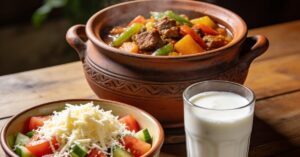
- Tepsi Baytinijan: An oven-baked casserole comprising layers of aubergine, potatoes, onions, and small meatballs, all stewed together in a robust tomato sauce.
- Kubba: These are prized appetisers made from bulgur wheat shells, filled with spiced minced meat, onions, and nuts, which can be either fried or boiled depending on the style.
Street Food and Breads
The streets of Baghdad and beyond offer a variety of iconic snacks and artisanal breads that form the backbone of everyday Iraqi dining.
- Guss: The local take on shawarma, featuring thinly sliced, spiced meat cooked on a vertical rotisserie. It is traditionally served in fluffy samoon bread, complemented by sesame paste (tahini) and amba, a tangy mango pickle sauce.
- Samoon: A staple hearth bread, iconic for its oval or diamond shape, offering a delightful contrast between a crisp crust and an airy, soft interior.
Breakfast and Confectionery
Iraqi morning routines often favour a mix of sweetness and indulgence, while specific pastries are reserved for festive occasions.
- Kahi and Geymar: A luxurious breakfast combination consisting of thin, flaky, layered pastry soaked in sugar syrup, served alongside thick, rich buffalo clotted cream known as geymar.
- Kleicha: The quintessential holiday biscuit, often shaped by hand and filled with spiced dates, ground walnuts, or desiccated coconut.
Rice Traditions
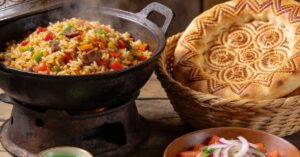
Rice is considered the cornerstone of the Iraqi kitchen. Beyond simple side dishes, the preparation of rice—particularly long-grain varieties—is a culinary art form. Biryani is a prominent example, where rice is combined with various aromatic spices, tender meat, and vegetables to create a layered, multi-dimensional meal that reflects the legendary hospitality and bold flavours of the Iraqi people.
Essential Insights into Iraqi Cuisine and Digestive Health
The most important takeaway for anyone managing intestinal health is that while Iraqi cuisine is rich in nutrient-dense whole foods, its reliance on high-fibre legumes, complex spice blends, and specific frying techniques requires careful individual assessment to avoid triggering symptoms like bloating or malabsorption. Patients recovering from intestinal failure should prioritise the foundational staples of this diet, such as Basmati rice and lean proteins like lamb or chicken, which provide necessary energy without the excessive fibre load found in some of the more traditional vegetable-heavy dishes. By focusing on these core ingredients, you can enjoy the essence of the Foods of Iraq while maintaining the gentle digestion required for long-term transplant success. Many traditional recipes from the Levant or the wider Middle Eastern cuisine share similar flavour profiles, but Iraqi food often features a distinct use of dried lime and pomegranate molasses that adds a unique profile to every Iraqi dish.
Nutritional Profile of Iraqi Food Staples
Iraqi food is built upon a foundation of nutrient-rich staples like Timman (Basmati rice), chickpeas, lentils, and white beans, which offer a high-quality balance of carbohydrates and plant-based protein essential for post-surgical recovery. Evidence of pistachio consumption in Jarmo, northeastern Iraq, dates back to 6750 BC, highlighting a long-standing reliance on nuts as a source of healthy fats and minerals. For patients with a functioning gastrointestinal tract, these ingredients are excellent, but those currently in a phase of recovery must monitor their intake, as the high fibre content in legumes can be challenging for an adapting gut. When visiting Iraq, you will notice that the diet is heavily influenced by Ancient Iraq and the Mesopotamian tradition, which emphasised fresh produce and grains.
| Food Item | Digestive Caution | Preparation Tip |
|---|---|---|
| Dried Legumes | High fibre can cause bloating | Soak and puree thoroughly |
| Basmati Rice | Excellent energy source | Keep plain or lightly spiced |
| Pistachios | High fat/fibre density | Limit portion to small handful |
| Eggplant | Can be heavy if fried | Roast instead of frying |
Managing Lentil and Legume Intake in Iraqi Cuisine
To safely consume legumes like chickpeas or lentils, patients should focus on thorough cooking and mechanical processing, such as pureeing or mashing, to reduce the structural fibre that can cause discomfort. A Sumerian-Akkadian dictionary from 1900 BC lists over 800 food and drink items, including 20 types of cheese and 300 types of bread, demonstrating that the culture has historically valued variety and digestibility. By incorporating these legumes in small, well-cooked portions, you can benefit from their zinc and iron content while minimising the risk of digestive distress or potential blockages in the small intestine. Lentil soup, often served as a starter, is a classic example of how these ingredients are prepared to be soothing and warm, especially during the cooler months in Kurdistan or Mosul.
Clinical Considerations for Masgouf and Kebab Preparation
Traditional preparation methods for Masgouf and Iraqi Kebab are generally healthier than deep-frying because they rely on dry heat that renders out excess fat. Masgouf is the national dish of Iraq, consisting of river carp slow-roasted upright next to an open wood fire, a technique that preserves the integrity of the fish while keeping it moist. Ever wondered if this fits into your recovery plan? In my experience, post-transplant recovery is a journey, and managing your nutrition is a huge step toward getting back to normal life, so do not be afraid to experiment with these traditional methods under the guidance of your team. The best Masgouf is often found in the restaurants along the banks of the Tigris in Baghdad, where the fish is seasoned with salt and olive oil before being baked in a wood-fired oven or over an open flame.
Adapting Eggplant and Dolma Recipes for Sensitive Guts
You can significantly improve the digestive profile of traditional dishes like Tepsi Baytinijan, an oven-baked casserole of sliced eggplant, potatoes, onions, and meatballs, by substituting frying with a light roasting or steaming process. Cuneiform tablets from 1700 BC found in Babylon contain 24 recipes for meat and vegetable stews, proving that the roots of Iraq Cuisine are deeply embedded in slow-cooked, liquid-based preparations. These stewing methods are often the safest for transplant recipients, as they soften ingredients and make nutrients more bioavailable, reducing the workload on your digestive enzymes. Iraqi Dolma, which involves stuffing grape leaves or vegetables with a mixture of meat, rice, and spices, is a popular dish often saved for special occasions and Eid, showcasing the intricate manual labour involved in its creation.
Navigating Spices and Condiments in Iraq Cuisine
Aromatic spices like cardamom, cumin, turmeric, and dried lime are the heart of the flavour profile in the Foods of Iraq, providing antioxidant benefits that support systemic health without necessarily irritating the gut. Baharat, a complex spice blend, is used to season meats, but should be used sparingly if you are prone to acid reflux or gastric sensitivity. While these spices are generally considered safe, it is wise for transplant patients to introduce them gradually to monitor for individual tolerance. Many dishes in Iraqi cuisine are finished with a squeeze of lemon juice or a sprinkle of sumac to add a tangy brightness without the need for heavy fats, a technique that is common throughout the Middle East.
Important: Always consult your transplant team before making major diet changes, especially when introducing potent spice blends that might interact with your immunosuppression medication or affect your graft function.
Balancing Flavour with Digestive Tolerance in Mosul and Kurdistan
Amba, a spicy, tangy pickled mango condiment, is a staple found in Mosul and across the region, but its high acidity and fermentation can be problematic for patients with sensitive digestive tracts. Instead, you can achieve a similar brightness by using fresh herbs such as parsley, mint, and cilantro, which provide a gentler, more soothing flavour profile. Dates and date syrup are also primary local crops used in sweet and savoury dishes, and they serve as an excellent, easily digestible source of quick energy for those needing to maintain their weight post-transplant. You will also encounter various rice dishes that utilise pomegranate seeds as a garnish, adding a burst of colour and a mild, pleasant acidity that works well for patients who need to avoid heavy cream-based sauces.
Breakfast Traditions and Fava Beans
Traditional Iraqi breakfasts, such as Kahi served with clotted cream, are culturally iconic but are extremely high in saturated fats, which can be difficult for patients with malabsorption issues to process. For a safer alternative, you might consider Makhlama, which provides a more balanced profile of protein and micronutrients. Bagila bil Dihin, which combines boiled fava beans with bread soaked in lamb broth, is another classic, though the bread and fat content should be adjusted based on your specific dietary requirements for stoma or intestinal health. In Southern Iraq, breakfast might also include simple lentil soup or bread dipped in date syrup, providing a natural sweetness that avoids processed sugars.
Hydration and Nutrient Absorption with Chai
Chai is a strong, sweet black tea served in small glass cups throughout the day and is an essential part of social life when visiting Iraq, though patients must be mindful of the caffeine content and its potential to act as a mild diuretic. Staying hydrated is critical after an intestinal transplant, and while tea can be part of your fluid intake, it should not replace water or electrolyte-balanced solutions. For those needing a quick, simple snack, date molasses and sesame paste serve as a nutrient-dense dip for breads like Samoon or Pita bread, providing a boost of healthy fats and carbohydrates. Iraqi desserts are often perfume-forward, using rose water to add a delicate fragrance to semolina-based treats.
- Monitor your daily intake of fluids and solids.
- Keep a food diary to track any digestive symptoms.
- Consult your dietitian about specific spice tolerances.
- Prioritise lean lamb or beef preparations over deep-fried street food.
- Incorporate small dishes like salad to increase micronutrient variety.
Frequently Asked Questions
Are meat-stuffed Kubba dishes safe for transplant recipients?
Kubba can be difficult to digest due to the often-fried outer shell made from bulgur wheat. It is recommended to choose steamed or boiled versions and limit the portion size to ensure your graft function is not stressed by excess fat.
Is Lentil Soup a suitable meal when visiting Iraq?
Lentil soup is an excellent, nutrient-dense option that is typically well-tolerated if the lentils are cooked until very soft. Ensure the soup is not overly seasoned with spicy peppers, which could irritate a sensitive digestive tract.
How should I approach eating at local Iraqi restaurants?
When dining out, always ask for grilled rather than fried preparations and request sauces to be served on the side. This allows you to control the amount of oil and acidic ingredients, which is vital for maintaining digestive stability.
Can I eat bread like Pita when recovering?
Refined white flour bread is generally easier for the gut to process than whole-grain versions during the early stages of recovery. Monitor your stool consistency to determine if bread is contributing to any discomfort or blockages.
Carefully selecting and modifying these traditional Foods of Iraq allows you to safely embrace a rich culinary heritage while prioritising your long-term digestive stability. Always remember that introducing new ingredients gradually and monitoring your body’s unique response remains the most effective strategy for successful nutritional management after your transplant.