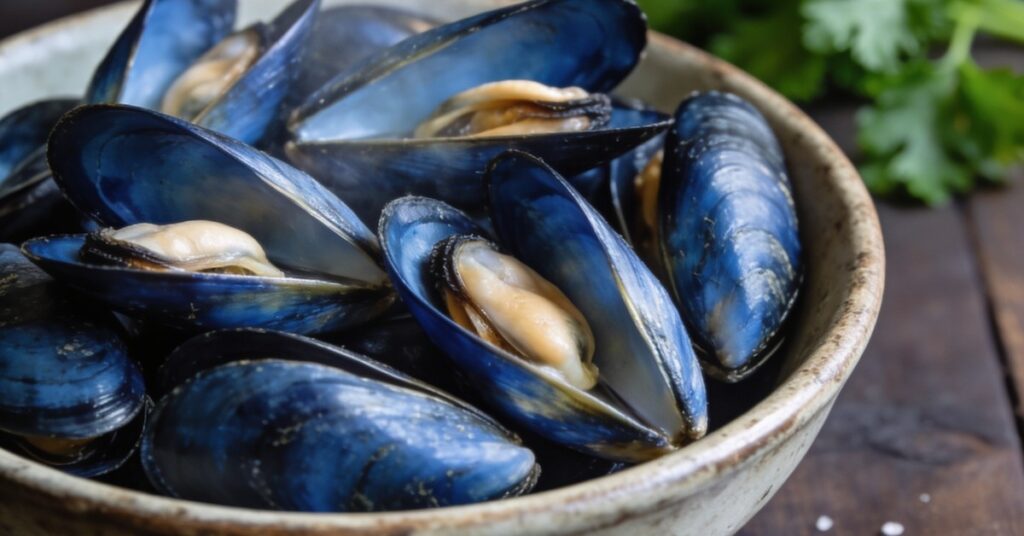
Navigating nutritional choices after an intestinal transplant or while managing digestive failure requires balancing the need for dense, high-quality nutrients with the critical necessity of preventing foodborne illness. In this article, you will learn whether mussels can safely fit into your recovery diet, the specific risks you must mitigate, and the precise, evidence-based preparation methods required to protect your gastrointestinal health. We will guide you through these practical considerations to help you make informed, confident decisions for your long-term wellbeing.
Many patients often ask me, „Are mussels good for you?” and the answer is that they are an exceptionally nutritious food source that can be highly beneficial, provided they are sourced from clean waters and prepared with rigorous hygiene. While they offer a wealth of essential vitamins and high-quality protein, the risk of foodborne pathogens necessitates that individuals with intestinal health challenges consult their clinical team before incorporating them into their diet. Ever wondered if this fits into your recovery plan?
Are mussels good for you?
The Nutritional Profile of Mussels
Mussels are an exceptionally healthy food choice, offering an impressive array of essential nutrients. They are a brilliant source of lean protein, vitamin B12, and vital omega-3 fatty acids, making them a nutritious addition to any diet.
Key Health Advantages
Incorporating mussels into your meals provides several significant health benefits:
- Protein Powerhouse: Every 100-gram portion delivers approximately 24 grams of protein, assisting with muscle repair and overall physical development.
- Vitamin B12 Boost: A single serving provides over 400% of your recommended daily intake, which is critical for maintaining energy levels and nerve health.
- Omega-3 Fatty Acids: They contain both EPA and DHA, fats that support cardiovascular health and assist in reducing internal inflammation.
- Essential Mineral Content: Mussels are packed with iron, zinc, selenium, and iodine, all of which are vital for bodily functions.
- Calorie Conscious: They are naturally low in fat and calories, making them an ideal option for those monitoring their energy intake.
Sustainability and Culinary Value
Beyond their nutritional density, mussels are recognised as a sustainable and ethical protein source. They are quick to prepare, versatile in the kitchen, and often result in a delicious, flavourful broth.
Safety Guidelines and Considerations
While mussels are highly beneficial, it is essential to follow specific safety precautions to ensure a positive experience:
- Sourcing: Always ensure you purchase mussels harvested from clean, reputable waters to minimise contamination risks.
- Preparation: Proper hygiene is paramount; ensure they are fresh and correctly stored before cooking.
- Cooking Tips: Only consume mussels that have fully opened during the cooking process. If a mussel remains tightly shut after heating, discard it immediately.
- Allergies: If you suffer from a known shellfish allergy, you must avoid mussels entirely.
Nutritional Profile of Mussels and Potential Health Benefits
Mussels are a nutritional powerhouse, offering a dense concentration of protein and essential micronutrients that are particularly valuable for patients focusing on muscle maintenance and systemic recovery. The following table breaks down what you get in a standard 3-ounce serving of steamed blue mussels:
| Nutrient | Amount |
|---|---|
| Protein | 20 grams |
| Fat | 4 grams |
| Carbohydrates | 6 grams |
| Calories | 146 kcal |
Key Nutritional Profile and Source of Protein
Beyond basic macros, mussels provide all nine essential amino acids required for tissue repair. They serve as a remarkable source of vitamin B12, providing over 400% of the daily recommended intake in a single serving, which is vital for patients struggling with malabsorption. Furthermore, they are rich in EPA and DHA omega-3 fatty acids, alongside essential minerals such as selenium, zinc, and iron, all of which support heart health and immune resilience.
Critical Safety Precautions When You Consume Mussels
The primary health risk associated with eating mussels stems from the potential for severe foodborne illness, which can be catastrophic for someone with a history of intestinal failure or transplantation. Consuming raw or undercooked shellfish carries a high risk of bacterial infections from Vibrio species, viral contamination like norovirus or hepatitis A, and exposure to algal toxins that cause Paralytic or Diarrheic Shellfish Poisoning.
Post-transplant recovery is a journey, and managing your nutrition is a huge step toward getting back to normal life, but you must be vigilant about the „invisible” threats. Mussels are filter feeders that can accumulate heavy metals including cadmium, lead, mercury, and arsenic from their environment. If you experience symptoms such as vomiting, diarrhea, nerve tingling, or hypotension after consumption, seek immediate medical intervention.
Clinical Guidelines to Prepare Fresh Mussels and Support Weight Management
Safe consumption of mussels requires strict adherence to preparation protocols to eliminate biological hazards, particularly for those who are pregnant or immunocompromised. To ensure safety, the internal temperature of the mussels must reach at least 145°F (63°C) during the cooking process to effectively neutralize harmful bacteria like E. coli.
Essential Handling Steps for Eating Mussels
- Discard any mussels with cracked or broken shells immediately.
- Perform the „tap test” on open shells; if they fail to close when tapped, discard them.
- Soak in cold water for 20 minutes and scrub shells with a stiff brush to remove sand and barnacles.
- Remove the „beard” by pulling it firmly toward the shell hinge.
- Steam for 3 to 8 minutes until the shells open; discard any that remain shut.
Remember: Always consult your transplant team before making major diet changes, as your specific immunosuppression levels and gut function may require a more tailored approach than the general population. Dealing with the question „Are mussels good for you?” is only half the battle; the other half is rigorous, methodical preparation.
Health Benefits of Eating Mussels Compared to Other Shellfish
Mussels are nutritionally superior to many traditional protein sources when evaluated by their vitamin and mineral density per serving. For instance, they contain over 9 times the amount of vitamin B12 found in beef and nearly 5 times more than salmon, providing a significant advantage for those with specific deficiency concerns.
When looking at mineral content, the Blue Mussel provides nearly 3 times the amount of iron compared to other common seafood sources. With a 3-ounce serving providing approximately 40% of daily protein needs, they remain a highly efficient, nutrient-dense option for individuals who need to maximise their intake without consuming large volumes of food. Many individuals researching „Are mussels good for you?” are surprised to find that these bivalves often outperform common lean meats in terms of micronutrient concentration.
Frequently Asked Questions
Can I eat mussels if I have a history of shellfish allergies?
No, you should strictly avoid consuming mussels if you have a known shellfish allergy. Anaphylaxis is a severe and potentially life-threatening reaction that can occur rapidly after ingestion, making it a critical safety concern for transplant patients.
How does the Blue Mussel differ from other types of seafood regarding mercury levels?
Mussels are generally classified as a low-mercury seafood choice, which makes them a safer option compared to larger predatory fish like swordfish or tuna. However, because they are filter feeders, sourcing remains essential to ensure they have not been harvested from contaminated waters.
Is it necessary to remove the beard before cooking?
Yes, removing the beard is a mandatory preparation step to ensure the texture is pleasant and to remove any debris trapped during the filter-feeding process. Grasp the beard firmly and pull it downward toward the hinge of the shell to remove it cleanly.
Can I store cooked mussels for later consumption?
It is strongly recommended to consume mussels immediately after they are cooked to avoid the risk of rapid bacterial growth. If you must store them, ensure they are cooled rapidly and refrigerated at below 4°C, though for immunocompromised patients, fresh, one-time consumption is always the safest protocol.
Prioritizing thorough cooking is the most vital step to safely harness the exceptional nutritional density of mussels while protecting your delicate digestive system. Always trust your clinical team’s advice regarding your specific recovery needs to ensure every meal supports your long-term intestinal health.