For patients navigating the complexities of intestinal transplantation or chronic digestive conditions, maintaining optimal iron levels is a vital yet often challenging aspect of long-term recovery and nutritional stability. In this article, you will discover evidence-based strategies for selecting Iron Rich Meals that are both well-tolerated and effectively absorbed, helping you navigate the delicate balance between dietary intake and your unique digestive needs. We will guide you through practical meal planning and essential safety precautions to ensure your nutritional health remains a priority during every stage of your recovery journey.
The most effective way to address iron deficiency is by consuming a combination of heme iron from animal sources and non-heme iron from plants, strategically paired with vitamin C to enhance uptake. For those with compromised digestive systems, the focus must shift from simply increasing intake to maximising the bioavailability of every bite, ensuring that the body can process these nutrients without causing unnecessary gastrointestinal distress or triggering specific intolerances. Post-transplant recovery is a journey, and managing your nutrition is a huge step toward getting back to normal life.
Iron-Rich Meals
Optimal Choices for Iron Intake
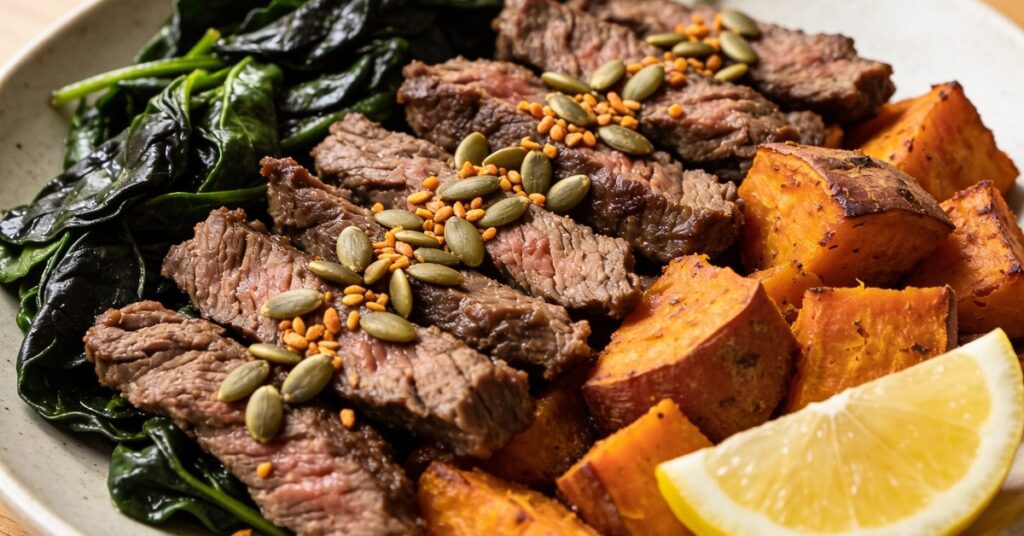
To ensure your diet includes sufficient iron, focus on nutrient-dense staples such as lean beef, legumes like lentils, and dark leafy greens such as spinach. Enhancing the bioavailability of this mineral is simple: pair these ingredients with sources of vitamin C to facilitate better absorption in your system.
Recommended Iron-Packed Recipes
If you are looking to diversify your intake, try incorporating these nutritious meals into your weekly menu:
- Tofu and spinach cannelloni: An excellent vegetarian option, providing a hearty source of protein and essential iron.
- Lamb and lentil curry: Combine succulent pieces of lamb or earthy lentils with butternut squash for a warming, savoury meal.
- Beef and broccoli stir-fry: Sear lean beef strips with fresh broccoli and finish with a generous squeeze of lemon juice to boost iron uptake.
- Tofu and spinach stir-fry: Sauté firm tofu cubes with chopped kale and sliced bell peppers for a quick, plant-based iron boost.
- Lentil soup: Simmer lentils with ripe tomatoes, carrots, and an assortment of leafy greens.
Breakfast Inspiration
Starting the day with the right nutrients is key. Consider these combinations:
- Fortified oatmeal: Prepare a bowl of oats and garnish with fresh strawberries or kiwi slices to provide an essential vitamin C boost.
- Scrambled eggs: Cook your eggs with a handful of fresh spinach and serve alongside a slice of whole-grain toast.
- Iron-fortified porridge: A half-cup serving of oatmeal provides approximately 6.9 mg of iron; incorporate chopped strawberries to aid digestion and absorption.
Understanding Iron Sources
Iron in our diet is classified into two distinct types:
- Heme iron: Sourced from animal proteins including red meat, poultry, and various fish. This form is particularly efficient for the body to absorb.
- Non-heme iron: Found in plant-based ingredients; while slightly less bioavailable, it remains a vital component of a balanced diet.
Dietary Tips for Enhanced Absorption
To maximise the nutritional value of your meals, follow these guidelines:
- Pairing: Always pair your iron-rich sources with vitamin C-rich foods, such as lemon juice, tomatoes, or bell peppers.
- Timing of beverages: Avoid consuming coffee, tea, or alcohol alongside your main meals, as these can contain compounds that inhibit iron absorption.
- Managing calcium: Be mindful of consuming dairy products like milk, cheese, or yoghurt at the same time as iron-rich ingredients, as calcium may block the absorption process.
- Dietary considerations: Be aware that high-fibre foods may also interfere with mineral uptake if consumed simultaneously.
Core Nutritional Strategies for Boosting Iron Absorption and Iron Levels
Maximising iron absorption in the context of intestinal health relies on the chemical synergy between specific food groups, particularly the interaction between iron sources and absorption enhancers. When you combine plant-based iron, such as that found in beans, grains, or dark leafy greens, with vitamin C sources like lemon juice, bell peppers, or strawberries, you create an environment that significantly improves the efficiency of your digestive tract’s iron uptake. It is also highly beneficial to mix small portions of meat, fish, or poultry with these plant-based ingredients, as the presence of animal protein can act as a catalyst for non-heme iron absorption.
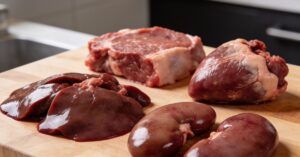
To further support this biological process, consume sweet potatoes, carrots, or squash alongside your greens, as these provide essential vitamin A and beta-carotene which aid in cellular iron transport. For those looking to make a substantial impact, consuming veal muscle, veal liver, or specific fish can enhance non-heme iron absorption by as much as 150%. To maintain this momentum, ensure your daily regimen includes at least one portion of red meat, fish, or chicken, which provides a reliable foundation of heme iron that is inherently easier for the body to assimilate than plant-derived alternatives.
Inhibitors to Avoid When Eating Foods That Are High in Iron
You should strictly avoid consuming tea, coffee, or red wine during or immediately after meals, as these beverages contain tannins and polyphenols that actively block iron absorption. The following table highlights common dietary „blockers” that you should keep away from your meals to ensure you are getting the most out of your nutrition plan:
| Inhibitor | Why avoid it? |
|---|---|
| Tea & Coffee | High in tannins and polyphenols. |
| Dairy (Milk, Cheese) | Calcium competes with iron for absorption. |
| Unsoaked Grains | Phytic acid traps iron particles. |
| Antacids | Neutralise stomach acid needed for iron uptake. |
Targeted Meal Planning for Specific Life Stages and Ways to Add Iron Rich Recipes
Tailoring your iron intake to your specific life stage ensures that you meet physiological demands without overloading a potentially sensitive digestive system. For children and toddlers, the target should be 2–3 iron-rich food servings per day, increasing to 3 times per day for vegetarian children to compensate for the lower bioavailability of plant-based sources. Parents can rely on staples such as 40g of boiled red lentils (0.9mg of iron), 100g of tinned baked beans (1.4mg of iron), or 30g of hummus (0.6mg of iron) to meet these targets safely. When preparing these for little ones, always pair them with vitamin C sources like raspberries, kiwi, oranges, tomatoes, broccoli, or peppers to ensure the iron is actually utilised by the developing body.
For individuals managing pregnancy, the daily requirement rises to 27 mg of iron, necessitating a very deliberate approach to meal composition. Excellent options include beef and broccoli stir-fry, lentil and vegetable stew with tomatoes, or a chickpea salad with lemon dressing, all of which provide a balanced nutritional profile. Important: Fortified cereals and grains are also highly recommended, as they offer 8–16 mg of iron per serving, providing a convenient safety net during this critical window.
Iron Rich Recipes for Vegan and Vegetarian Diets
Vegetarian and vegan diets can be incredibly rich in iron when using high-quality, plant-based whole foods prepared with digestive ease in mind. Ever wondered if your favourite plant-based dish fits into your recovery plan? Most of these are excellent, provided they are prepared correctly to maximise the absorption of non-heme iron:
- Lentil bolognese (4.2/5 star rating)
- Spiced carrot & lentil soup (4.6/5 star rating, 25 mins preparation)
- Five-veg lasagne (4/5 star rating, 55 mins preparation)
- Warm roasted squash and puy lentil salad (4.8/5 star rating, 40 mins preparation)
Quick and Practical Iron Rich Meal Ideas and Using Tofu or Quinoa
Efficient iron intake does not require complex cooking, and many quick options are perfectly suited for those recovering from intestinal surgery or managing gut issues. A chickpea and tuna salad, created by mixing drained canned chickpeas, tuna, cherry tomatoes, and lemon juice, can be assembled in just 5 minutes and provides a powerful, gut-friendly iron boost. Similarly, a beef and broccoli stir-fry—utilising flash-fried lean beef strips, garlic, and soy sauce—is a staple that combines heme iron with essential vitamin C. For a soft, easily digestible option, a spinach and red lentil dal simmered for 15 minutes with fresh baby spinach is an ideal meal that avoids the harsh textures often difficult for a healing gut to process.
To keep your recovery on track, follow this simple process for monitoring your nutrition when preparing your daily meals:
- Consult your Nutritionist before changing your meal plan.
- Monitor your daily intake of iron versus potential inhibitors.
- Keep a food diary to track how your digestion responds to specific meals.
- Stay hydrated throughout the day to support overall gut function.
Managing Dietary Interference and Clinical Safety for Much Iron
Recognising which foods and substances actively hinder iron utilisation is as important as the iron-rich meals themselves. Beyond tea and coffee, there are several common dietary culprits to monitor: eggs contain phosvitin in the whites which lowers absorption, and fizzy drinks have been shown to reduce iron availability. Furthermore, high-fibre cereals can sometimes reduce iron absorption in sensitive individuals. It is advisable to wait 1 to 2 hours before or after a meal to consume any of these potentially interfering substances, allowing your digestive system to focus entirely on the absorption of the iron you have just consumed.
Frequently Asked Questions
How can I tell if my iron levels are too low?
Common indicators include persistent fatigue, pale skin, or shortness of breath during light physical activity. If you suspect your levels are dropping, you should request a blood panel from your medical team to confirm your status before making any dietary changes.
Are iron supplements a safe alternative to food sources?
Iron supplements may be necessary for some patients, but they can often cause gastrointestinal side effects like nausea or constipation. It is essential to discuss the need for supplementation with your clinical team to ensure it does not conflict with your specific intestinal health requirements.
Can I mash iron-rich vegetables to make them easier to digest?
Yes, mashing vegetables like spinach, sweet potatoes, or lentils is an excellent way to reduce the mechanical burden on your digestive tract. This preparation method maintains the nutritional integrity of the food while making it significantly softer and easier to process for those with restricted intestinal function.
Is it safe to consume quinoa as a primary iron source?
Quinoa is a versatile, protein-rich grain that serves as an excellent base for iron-rich salads when combined with other iron-dense ingredients. However, because it contains some phytates, it is best to rinse it thoroughly or soak it before cooking to improve the availability of the iron within the grain.
Focus on pairing your iron sources with vitamin C while keeping tea and dairy away from your meals to ensure your body absorbs the nutrients it needs to thrive. You have the power to support your recovery one meal at a time, so stay patient and kind to yourself throughout this journey.