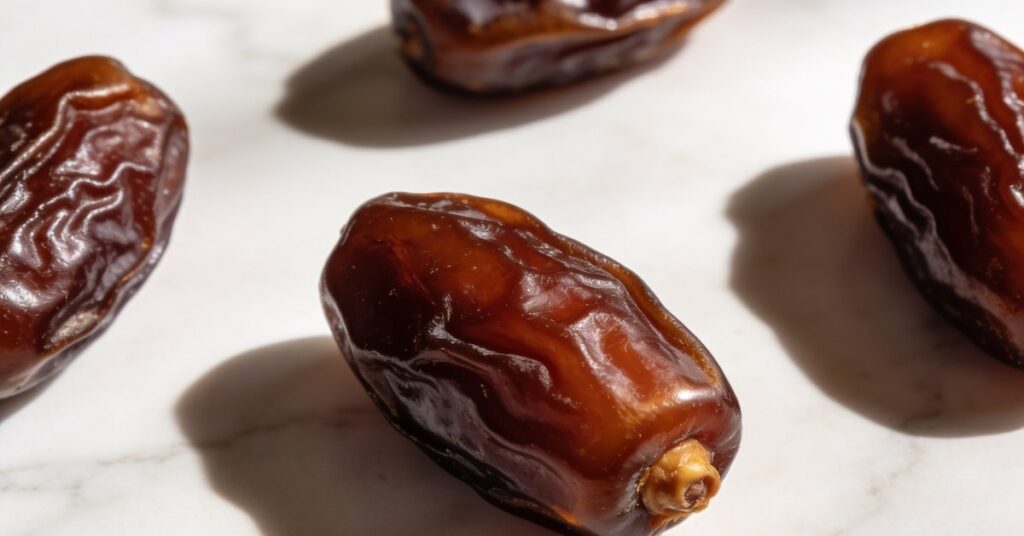
Managing your nutritional intake is a cornerstone of successful recovery after an intestinal transplant, and understanding the caloric and glycaemic impact of everyday foods like Medjool dates is essential for maintaining digestive stability. In this article, you will discover the precise nutritional profile of Medjool dates and learn practical, evidence-based strategies for integrating them into your diet without compromising your health or blood sugar levels. We will guide you through portion control and safety considerations so you can make informed choices that support your long-term digestive wellness.
If you are looking for the direct answer regarding the energy content of this fruit, a single pitted Medjool date (approximately 24g) typically contains between 66 and 70 calories. According to the U.S. Department of Agriculture, a standard serving of one Medjool date is officially recognised as 66.5 calories. Understanding the Calories In A Medjool Date is vital for those of us tracking energy intake during recovery, as this fruit is significantly more calorie-dense than many other fresh options.
Calories in a Medjool date
Nutritional overview
A single Medjool date of average size, weighing approximately 24 grams, typically provides between 66 and 70 calories. These fruits are highly regarded for their energy density and natural composition.
Essential nutritional highlights
- A standard Medjool date (approx. 24g) yields 66–70 calories, 18g of carbohydrates, and 1.5–2g of dietary fibre.
- These dates originate from the Phoenix dactylifera palm tree, native to Morocco, and are cultivated in various warm climates globally.
Nutrient breakdown by serving size
- 1 Date (approx. 24g): 66–70 calories, 18g carbohydrates, 1.6g fibre, 16g sugar, 0.4g protein.
- 2 Dates (approx. 48g): 133–140 calories, 36g carbohydrates, 3.2g fibre, 32g sugar.
- 3 Dates (approx. 72g): ~198 calories, 54g carbohydrates, 4.8g fibre, 48g sugar.
- 100 Grams (approx. 4 large dates): 277 calories, 75g carbohydrates, 6.7g fibre, 66g sugar.
Quick nutritional summary
- Calories: 66 kcal
- Protein: 0.4g
- Total Carbohydrates: 18g
- Dietary Fibre: 1.6g
- Total Sugars: 16g
- Total Fat: 0.1g
- Sodium: 0.5mg
Composition and health benefits
Medjool dates are composed almost entirely of simple carbohydrates, specifically glucose and fructose, balanced by essential dietary fibre. They are an excellent source of vital micronutrients, including magnesium, copper, and potassium, with approximately 167mg of potassium found in a single piece. Due to their specific sugar-to-fibre ratio, they possess a low-to-medium glycaemic index, offering a more sustained energy release compared to processed white sugar.
Understanding the Nutritional Profile and Calories In A Medjool Date
Medjool dates are a nutrient-dense food source that requires careful consideration of portion sizes due to their concentrated energy and sugar content. Two Medjool dates, weighing approximately 48g, contain between 133 and 140 calories, while a serving of three dates (roughly 72g) provides approximately 198 calories. For those monitoring total daily energy intake, it is helpful to note that 100 grams of Medjool dates—which equates to about four large dates—contains 277 calories.
Beyond the raw caloric count, each Medjool date provides roughly 18g of carbohydrates, which serve as a rapid source of fuel for the body. Furthermore, a single date contains between 1.5g and 2g of fibre, which is important for digestive rhythm, alongside 0.4g of protein. Balancing these components is key when you are managing an intestinal condition or recovering from surgery, as the high carbohydrate load must be weighed against your specific metabolic needs and insulin sensitivity.
Nutritional Composition and Health Benefits Of Medjool Dates
The nutritional profile of a single pitted Medjool date is defined by its specific weight of approximately 24g and a calorie count of 66–67 kcal. This small package delivers 16g of natural sugars, which contribute to its sweet flavour and quick energy release. Additionally, the fruit provides 13mg of magnesium and 167mg of potassium, both of which are essential electrolytes for patients navigating fluid balance and muscle function after an intestinal transplant. Ever wondered if this fits into your recovery plan? The Glycaemic Index (GI) of these dates sits between 35 and 55, placing them in the low to moderate category, which is useful information for those trying to avoid sharp spikes in blood glucose.
Key Micronutrients and Nutrition Facts for Recovery
A 100-gram serving of Medjool dates provides a substantial nutrient boost, as detailed in the comparison below:
| Nutrient | Amount per 100g | % of RDI |
|---|---|---|
| Potassium | 696 mg | 20% |
| Copper | – | 18% |
| Manganese | – | 15% |
| Vitamin B6 | – | 12% |
Comparative Energy Density: How Many Calories Are In Medjool Dates Versus Deglet Noor Dates
Choosing the right variety of date is essential for managing your caloric budget, as the Medjool is significantly larger and more energy-dense than other common types. While a single Medjool date (24g) provides 66–70 calories, a Deglet Nour date, which weighs only 7g–8g, contains just 20–24 calories per piece. Similarly, other small varieties like the Sukkari date also sit in that lower 20–25 calorie range, allowing for more precise adjustments in your daily intake.
When comparing these fruits by weight, the density remains high across the board. Post-transplant recovery is a journey, and managing your nutrition is a huge step toward getting back to normal life, so keep this comparison handy:
- Medjool (100g): ~277–282 calories
- Deglet Nour (100g): ~282–313 calories
- Portion control: 1 Medjool vs. 3 small dates is roughly equivalent in calories.
Many patients frequently ask about the specific Calories In A Medjool Date versus smaller alternatives because they fear over-consuming energy during the critical phase of graft stabilization. It is a common concern because the visual size of the fruit can be deceiving, leading many to underestimate their actual intake. By focusing on the weight-based metrics, you can maintain better oversight of your dietary habits without the guesswork that often plagues early recovery stages.
Managing Daily Consumption and Sugar Levels When You Eat Medjool Dates
For most healthy adults, the recommended intake is 1 to 3 Medjool dates per day, providing roughly 130–200 calories depending on the serving size. Specifically, two Medjool dates (approximately 48g) contain around 120–133 calories, which serves as a moderate snack. However, intake recommendations vary by medical necessity: individuals focusing on weight management or diabetes control should limit themselves to 1 to 2 dates per day to keep carbohydrate intake stable. Conversely, athletes or pregnant women who require higher energy levels may find that 4 to 6 dates a day aligns better with their metabolic demands.
It is important to heed the NHS guidance, which categorises 3 Medjool dates as one portion of fruit. Exceeding this, particularly by eating more than 6 dates per day, can often lead to unwanted outcomes. Such high consumption levels frequently result in stomach upset due to the fibre content, or significant blood sugar spikes that can be detrimental to those with sensitive digestive systems or glucose regulation issues.
Remember: If you notice any unusual digestive distress after introducing dates, stop immediately and contact your medical team to discuss your graft function and tolerance levels.
Balancing Weight Management and Adding Dates To Your Diet
Medjool dates are not inherently a cause of weight gain, but they must be managed within your total daily caloric deficit to avoid unintended weight changes. Each medium Medjool date provides 66 to 70 calories and 0 grams of fat, making them a clean source of energy, yet a serving of four dates accounts for nearly 300 calories. Because they contain approximately 1.6 grams of fibre per date, they can contribute to satiety, but their high sugar content means they should be accounted for as a carbohydrate-rich food rather than a low-calorie snack.
If your goal is weight loss, follow these steps to stay on track:
- Consult your transplant dietitian about your specific daily calorie target.
- Start with 1 date per day to monitor your digestive response.
- Keep a food diary to see how they affect your energy levels.
- Pair dates with protein to prevent blood sugar spikes.
Understanding the exact Calories In A Medjool Date allows you to integrate this fruit into your recovery protocol with confidence rather than uncertainty. Always prioritise consulting your clinical team before making significant adjustments to your diet, ensuring that every bite you take actively supports your graft function and overall physiological stability.
Frequently Asked Questions
Are Medjool dates considered safe for those with an ostomy or digestive sensitivity?
While Medjool dates are a natural source of energy, their fibre content can be challenging for those with an ostomy or specific digestive sensitivities. You should always consult your transplant dietitian or gastroenterologist before adding them to your diet to ensure they do not cause blockage issues or impact your stoma output, especially as the skin of the date can be difficult to break down.
How do the natural sugars in dates compare to refined sugar?
Although a single pitted Medjool date contains roughly 16g of natural sugar, it is distinct from refined sugar because it comes packaged with dietary fibre and micronutrients. This fibre helps to slow the absorption of sugar into the bloodstream, resulting in a lower glycaemic load (roughly 6–10 per date) compared to processed sweets, though they should still be treated as a significant carbohydrate source for those monitoring blood glucose.
Can I eat dates if I am on a potassium-restricted diet?
Medjool dates are quite high in potassium, with 167mg per date, so they may need to be avoided or strictly limited if your medical team has prescribed a low-potassium diet for renal function or medication-related reasons. If you have been advised to limit potassium, it is best to treat these as a high-potassium food and stick to your specific clinical guidelines.
What is the best way to incorporate dates into a post-transplant diet?
The best approach is to start with a small portion, such as one date, to assess how your digestive tract handles the fibre and sugar content. Pairing a date with a source of protein or a healthy fat can further help stabilise blood sugar and improve digestive comfort, making it a more balanced addition to your post-transplant nutritional plan.
Strictly adhering to the recommended portion size of 1 to 3 dates ensures you gain the nutritional benefits without risking metabolic or digestive overload. Always monitor your individual tolerance to fibre and sugar to keep your recovery trajectory steady and predictable.