Incorporating nutrient-dense, easily digestible vegetables like celeriac is a vital step in supporting long-term gut health and managing the complex nutritional requirements of post-transplant recovery. This guide provides reliable, evidence-based techniques for preparing and cooking this versatile root vegetable to ensure it is both safe and palatable for your specific digestive needs. By mastering these gentle preparation methods, you can confidently expand your diet while prioritising the comfort and efficiency of your gastrointestinal system.
How to cook celeriac
Celeriac, often recognised as the root of the celery plant, offers a unique profile that is simultaneously earthy, sweet, and faintly bitter. While it may appear rugged, mastering it in the kitchen is straightforward once you know how to handle it correctly.
Preparation Guide
To begin, ensure you have a very sharp knife, as the exterior can be quite tough. Follow these steps to prepare your vegetable:
- Remove the stem and the base of the celeriac to create a flat, stable surface on your chopping board.
- Carefully slice away the thick, bumpy outer skin using your knife or a heavy-duty peeler. Don’t worry about being overly precise; just ensure the majority of the tough exterior is removed.
- Thoroughly rinse the white flesh under cool water.
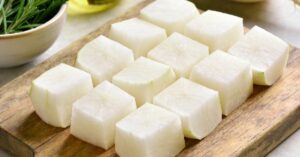
- Chop the vegetable into uniform one-inch cubes or wedges.
- If you are not planning to cook the pieces immediately, submerge them in water with a splash of lemon juice to prevent the flesh from oxidising and discolouring.
Cooking Methods
Once prepped, celeriac is incredibly versatile. Here are the most effective ways to include it in your meals:
Roasting
Roasting brings out a wonderful depth of flavour. Simply toss your cubes or wedges in olive oil, sea salt, and freshly ground black pepper. Arrange them on a baking tray, ensuring there is enough space between them so they do not touch. Roast at 200°C for approximately 25 to 30 minutes until they achieve a soft texture and a golden-brown exterior.
Boiling and Mashing
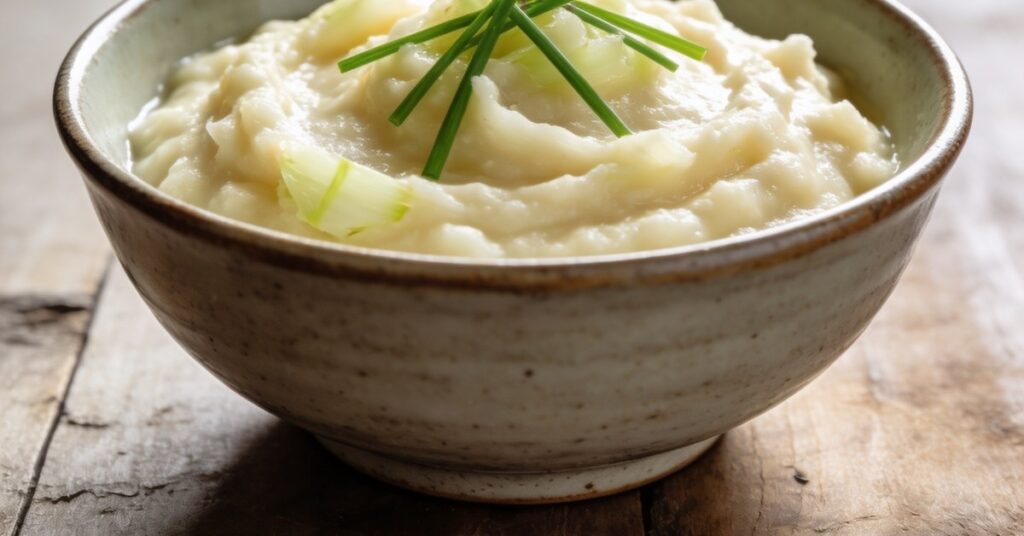
For a sophisticated alternative to traditional mashed potatoes, place your cubed pieces into a pot of salted water. Boil for about 20 minutes, or until a knife can easily slide into the flesh. Drain thoroughly and mash with high-quality butter, a splash of double cream, and seasoning to taste.
Pan-Searing
For a quicker option, you can sauté thin slices in a skillet. Keep the pieces moving to ensure they cook evenly until they are tender and caramelised.
Whole Baking
If you prefer simplicity, you can bake the celeriac whole. Scrub the skin thoroughly to remove all dirt, then place it directly into the oven. Cooking it in its skin results in a delicious, concentrated flavour.
Whether you choose to enjoy it raw for its refreshing crunch or cooked for its mellow sweetness, celeriac is a fantastic addition to any kitchen repertoire.
The Best Way to Prepare Celeriac and Cook Celeriac for Digestive Comfort
The most effective way to cook celeriac for those with sensitive digestive tracts is through moist-heat methods, such as boiling, steaming, or simmering, which soften the vegetable’s dense fibre to a fork-tender consistency. By breaking down the complex cellular structure of the root through these gentle processes, you significantly reduce the physical workload on your digestive system, facilitating smoother transit and improved nutrient absorption. Ever wondered if a simple root vegetable could make such a difference in your recovery plan? Learning how to cook celeriac properly ensures that you gain its nutritional benefits without triggering unnecessary gastrointestinal distress. Always aim for a texture that requires minimal mastication and passes easily through the digestive tract.
Safe Ways to Prepare Celeriac and Remove the Skin
Preparing celeriac safely begins with removing the entire knobby, hairy outer layer, as this tough skin is indigestible and can pose a risk of blockage for patients with compromised intestinal function. Post-transplant recovery is a journey, and managing your nutrition is a huge step toward getting back to normal life, so do not rush the prep work. If you are unsure about how to cook celeriac in a way that minimises irritation, start by mastering the cleaning phase.
- Slice off the top and bottom ends to create a stable base.
- Use a large, sharp knife or potato peeler to remove the tough outer skin.
- Pare away any dark spots or blemishes hidden in the cracks.
- Rinse the peeled flesh thoroughly under cold water.
- Immerse pieces in water with lemon juice to prevent discolouration.
Remember: You should expect to discard approximately 25% of the celeriac during this process, so buy a slightly larger root than you think you need.
Gentle Cooking Methods for Mash and Whole Celeriac
Boiling and steaming are the primary methods for ensuring the root vegetable is sufficiently broken down for those in recovery. To boil, cut the root into 1-inch cubes for even cooking and simmer in salted water for 10–20 minutes until fork-tender. Alternatively, steam in a basket over 2 inches of boiling water for 30–40 minutes, ensuring you cover the pot with a lid during both processes to trap heat and moisture. Once finished, drain the celeriac well to ensure you are not adding excess water volume to your meal, which is particularly relevant for those monitoring fluid intake. Creating a creamy mash is an excellent way to introduce this vegetable into your diet, as the blending process further aids digestion.
Advanced Techniques to Roast Celeriac and Celeriac Soup Recipe
Diverse cooking methods like roasting or sautéing can add variety to your diet, provided the final texture remains soft enough for your specific digestive tolerance. While these methods are flavourful, they should be used sparingly if you are prone to bloating or if your intestinal transit is currently slow. Always ensure the vegetable is cooked until completely soft, as any remaining „crunch” can be difficult to manage for some patients. Important: Always monitor your graft function and digestive symptoms after trying new preparation methods; if you feel discomfort, revert to simpler, boiled options. Whether preparing a Roasted Celeriac or a velvety Celeriac Soup, maintaining the correct internal temperature is key to achieving a safe, soft result.
| Method | Cooking Temperature | Cooking Time |
|---|---|---|
| Whole Roasted | 200°C | 2 Hours |
| Chunks/Wedges | 218°C | 30 Minutes |
| Sliced Pieces | 200°C | 20-25 Minutes |
Raw Celeriac Remoulade and Herb Pairings
Raw celeriac should only be consumed if your medical team has explicitly cleared you for raw, high-fibre foods, as it is significantly harder to break down than the cooked version. To prepare a Celeriac Remoulade for a salad, peel the root and use a box grater to achieve a fine shred, then toss immediately with lemon juice. Many patients worry about seasoning, but in my experience, using a fresh herb like Thyme or Parsley is a fantastic way to boost flavour without relying on excessive sodium or heavy sauces featuring Pancetta.
Frequently Asked Questions
Is celeriac easier to digest than Beetroot or Parsnip?
Celeriac is generally comparable to Beetroot or Parsnip in terms of fibre content, but its texture when mashed is often smoother, which can make it feel lighter on a sensitive stomach. Always ensure it is boiled or steamed until extremely tender to avoid any digestive discomfort.
Can I make Celeriac Oven Chips or a Celeriac Bake?
While Celeriac Oven Chips or a Celeriac Bake are delicious, they involve dry heat which may toughen the vegetable fibres, making them less ideal for early post-transplant stages. If you choose to roast, make sure the pieces are par-boiled first to ensure they are soft throughout.
What is the best way to store Celeriac?
You should keep the unpeeled root in a cool, dark, and dry place, such as a vegetable crisper drawer, where it can last for several weeks. Once peeled and cut, store the pieces submerged in water with a splash of lemon juice in the refrigerator for no more than 24 hours.
Are there specific protein pairings to avoid?
There are no specific medical contraindications for pairing celeriac with proteins, but you should avoid fatty or processed meats if your transplant team has advised a low-fat or low-sodium diet. Focus on lean sources like white fish or poached poultry to keep the meal gentle on your digestive system.
Prioritising thorough cooking methods will transform this dense root vegetable into a gentle, nutrient-rich staple that supports your comfort during recovery. Always ensure each piece is fork-tender to provide your digestive system with the easiest possible transition as you heal.