For patients navigating the complexities of intestinal recovery or life post-transplant, achieving a sufficient caloric intake is often the most critical factor in regaining strength and supporting long-term gut health. This guide provides evidence-based strategies for selecting nutrient-dense, High Calorie Foods that are both medically appropriate and practical for managing your daily digestive needs. You will learn how to safely increase your energy intake through balanced, gut-friendly choices, helping you feel more confident and prepared in your nutritional journey.
High Calorie Foods are essential for patients who struggle with malabsorption or increased metabolic demands, as they allow for the intake of necessary energy in smaller, more manageable volumes. For those with a compromised digestive system, the focus must shift from simple volume to calorie density, ensuring that every bite contributes to healing without overloading the gut. By prioritising fats, protein, and complex carbohydrates, you can meet your daily energy targets while minimising the physical discomfort often associated with large meals. Ever wondered if your current snack choices truly fit into your long-term recovery plan?
High calorie foods
Understanding Nutrient-Dense and Calorie-Dense Nutrition
Calorie-dense foods are excellent for providing a substantial amount of energy in relatively small servings. Integrating these items into your daily meals is a practical strategy for those aiming to achieve healthy weight gain. It is advisable to increase your energy intake gradually; adults may find it effective to incorporate an additional 300 to 500 calories per day.
Recommended Calorie-Dense Food Options
Incorporating energy-rich ingredients into your diet is straightforward once you know which options provide the most benefit. Focus on foods that are both high in calories and rich in essential nutrients.
- Oils and Fats: Use olive oil, avocado oil, butter, or ghee for cooking, or drizzle them over vegetables, rice, and pasta.
- Dairy Products: Opt for full-fat varieties, such as whole milk, heavy cream, sour cream, and cheeses like cheddar, parmesan, or cream cheese.
- Nut Butters and Nuts: Spreading peanut, almond, or cashew butter on toast or keeping a handful of walnuts, almonds, or cashews as a snack are effective ways to boost intake.
- Seeds: Incorporate chia, pumpkin, or ground flaxseeds into your yoghurt, cereal, oatmeal, or smoothies for an added dose of omega-3 fatty acids.
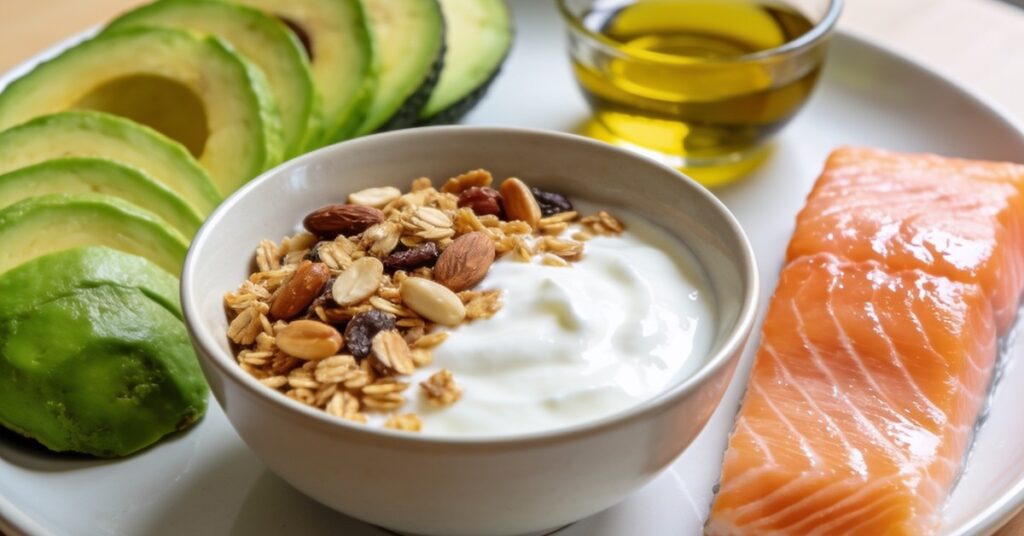
- Oily Fish: Salmon, mackerel, and sardines are fantastic sources of both healthy fats and high-quality protein.
- Avocados: These are incredibly versatile; they work well in salads, sandwiches, or as simple toppings.
- Homemade Protein Smoothies: Blending various nutrient-dense ingredients into a smoothie is a highly efficient way to consume extra calories.
Practical Serving Ideas for Daily Meals
If you are looking for simple ways to enhance your current meals, consider these common additions:
- Add a teaspoon of butter or margarine to casseroles, sandwiches, or vegetable dishes.
- Stir sour cream or hummus into savoury dishes or use them as nutrient-rich dips.
- Prepare grains, such as oats or rice, using whole milk instead of water.
- Enhance your breakfasts with a combination of fruit yoghurt and granola.
- For savoury options, consider dishes like scrambled eggs cooked in butter, or beans topped with a generous portion of grated cheese.
Tips for Specific Dietary Needs
For seniors or individuals who prefer softer food textures, nut butters and blended seed mixtures are particularly beneficial. Adding wheat germ or ground flaxseed to puddings or ice cream can help increase caloric density without significantly changing the volume of the meal. Always focus on quality sources of fat and protein to ensure that your weight gain journey remains healthy and sustainable.
Understanding the Role of High-Calorie Nutrition and High Protein Intake in Digestive Recovery
Nutrient-dense, High Calorie Foods are the cornerstone of recovery because they provide the body with the fuel required for tissue repair and immune function without necessitating large food volumes. For the intestinal transplant patient, the challenge is often balancing the need for increased calories with the reality of a sensitive or surgically altered gastrointestinal tract. By selecting foods that pack a significant energy punch, you can sustain your weight and strength throughout the recovery process.
Healthy Fats and Dairy for Weight Gain and Nutrient Density
Maintaining a stable weight requires focusing on foods that provide concentrated energy in a form that is gentle on the digestive system. Post-transplant recovery is a journey, and managing your nutrition is a huge step toward getting back to normal life; in my experience, keeping a simple tally of these staples makes the daily grind much easier.
| Food Item | Energy Density |
|---|---|
| Extra Virgin Olive Oil | 120 kcal per tbsp |
| Peanut Butter | 190 kcal per 2 tbsp |
| Greek Yogurt (Whole) | 230 kcal per cup |
| Walnuts | 196 kcal per 30g |
Strategic Approaches to Gain Weight with High Calorie Smoothies and Snacks
The most effective way to increase your daily intake without causing digestive distress is to add 300 to 500 extra calories a day by consuming five to six smaller meals instead of three large ones. This strategy prevents the gut from becoming overwhelmed, which is particularly important for those with limited absorptive capacity or those recovering from intestinal surgery. Consistency in meal frequency helps maintain stable blood energy levels throughout the day.
Practical Tips for Boosting Meal Density with Nut Butter and Dried Fruit
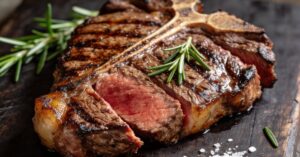
You can significantly enhance the energy profile of your existing meals by integrating specific, calorie-dense additions. Adding 85 grams of steak provides 228 calories, while incorporating fatty fish like salmon two to three times a week supplies essential omega-3 fatty acids. If you have a higher tolerance for volume, edamame (½ cup) provides 20 calories. To further boost intake, stir in 1 tablespoon of gravy, sugar, honey, jam, jelly, or syrup for an extra 100 to 300 calories.
- Ensure the product is compatible with your specific dietary needs.
- Always consult your transplant team before making major diet changes.
- Stay hydrated throughout the day to assist with absorption.
Designing a High Calorie High Protein Diet with Salmon and Potato
Optimal muscle building and tissue repair are achieved by following a diet composition of 30%–35% calories from protein, 55%–60% from carbohydrates, and 15%–20% from fat. This precise balance ensures that the body has the necessary building blocks for healing while maintaining the energy reserves needed for daily activity. When preparing meals, look for combinations that naturally elevate the caloric density of your plate.
Building Blocks for Recovery Meals with Whole Milk and Almonds
Creating balanced, High Calorie Foods involves combining protein, healthy fats, and complex carbohydrates into a single, cohesive dish. A meal consisting of 6 oz of salmon, 1 cup of cooked quinoa, and 1 large roasted sweet potato equals approximately 890 calories. Supplement these with high-calorie additions such as butter, ghee, wheat germ, ground flaxseed, or dried fruit to further refine your intake.
Remember: Always monitor your graft function and digestive response when introducing new, calorie-dense foods; if you experience discomfort, pull back and consult your dietitian.
Nutrient-Dense High Calorie Foods List Including Avocado and Cereal
Nuts and seeds are among the most efficient High Calorie Foods available, with many varieties containing between 500 and 650 calories per 100g. These items are ideal for those who need to increase their intake but have limited room for large portions. For instance, walnuts contain 654 calories per 100g, while a 30g portion provides approximately 196 calories. Half a cup of macadamia nuts contains 474 calories, and half a cup of almonds provides 414 calories.
High Calorie Solutions for People with Low Appetite and Toast
If you are experiencing a reduced appetite, the best way to maintain your weight is to cook eggs with 1 tablespoon (14 grams) of butter to add 104 calories, or stir extra olive oil and grated cheese into soups. For those days when solid food is difficult, using over-the-counter meal replacement drinks like Complan or Meritene can ensure you meet your nutritional needs.
- Consult your dietitian to establish your specific daily calorie target.
- Monitor your daily intake using a simple food diary.
- Keep a record of any digestive symptoms to share with your transplant coordinator.
Differentiating Between High Calorie Foods and Processed Items
While High Calorie Foods are vital, it is important to distinguish between nutrient-dense whole foods and highly processed items that may trigger digestive symptoms. While a cup of sliced avocado offers 230 calories, 12 grams of carbohydrates, 3 grams of protein, and 21 grams of fat, processed options often come with high levels of sodium and inflammatory fats. Always favour whole-food sources to support your long-term intestinal health.
Easy High Calorie Snacks for Busy People Including Pudding and Scones
Busy individuals can maintain their nutritional status by keeping pre-portioned, high-calorie snacks readily available in their bag or desk. A half-cup of trail mix provides 350 calories, while a pot of full-fat Greek yogurt with granola and honey easily exceeds 300 calories. Other convenient options include a high-calorie smoothie (500+ calories), store-bought protein or granola bars (200–300 calories), a quarter-cup of chocolate-covered peanuts (200 calories), or a half-cup of dried fruit (200 calories).
High Calorie Foods for Athletes and Active Individuals Using Red Meat
Athletes recovering from digestive challenges should focus on a diet distribution of 45–65% carbohydrates, 20–35% fat, and 15–25% protein to fuel their activity levels. Since 1 gram of protein provides 4 calories, tracking your intake can help you align your energy needs with your physical output. Make sure your post-exercise snacks provide between 200 to 300 calories to aid recovery.
Important: Before jumping back into heavy training, ensure your immunosuppression levels are stable and your transplant team has given you the green light to increase your physical output.
Prioritising nutrient-dense whole foods allows you to meet your metabolic demands without placing unnecessary strain on your healing digestive tract. Always coordinate any significant dietary adjustments with your clinical team to ensure they align with the ongoing stability of your graft.
Frequently Asked Questions
Are vegetarian or vegan high calorie options effective for muscle gain?
Yes, vegetarian and vegan sources can be highly effective when planned correctly. Focus on incorporating pulses, tofu, nuts, and seeds to ensure you hit your protein goals alongside calorie-dense fats like avocado and olive oil.
Should I worry about the fat content in high calorie foods?
Not necessarily, as healthy fats are essential for nutrient absorption and energy. Focus on unsaturated fats from sources like salmon, nuts, and oils rather than saturated fats found in highly processed fast foods.
How can I track if I am hitting my 500 calories target per snack?
Using a food diary or a nutritional tracking app is the most reliable way to monitor your intake. Be precise with portion sizes, especially when adding calorie-dense extras like nut butter or honey to your meals.
Is it safe to eat red meat for protein if I have a sensitive gut?
It depends on your specific digestive tolerance and medical advice. Red meat is a dense source of protein, but it can be harder to digest; consider starting with lean cuts or ground versions and monitor how your body responds.