Maintaining a consistent, nutrient-dense diet is a cornerstone of successful recovery after intestinal transplantation, where the quality and safety of every ingredient play a vital role in your digestive comfort. In this guide, you will learn the evidence-based techniques for How To Freeze Carrots to preserve their nutritional integrity and texture, ensuring you have a reliable, easily digestible staple readily available for your daily meals. By following these professional preparation and storage methods, you can confidently manage your kitchen routine while supporting your long-term intestinal health goals.
How to freeze carrots
To ensure your carrots remain fresh for up to twelve months, it is essential to follow a careful preparation process. This involves thorough washing, peeling, and cutting, followed by a vital blanching stage before they are moved to the freezer.
Preparation and Initial Steps
Before you begin the preservation process, you should take the following actions to prepare your produce:
- Clean the vegetables thoroughly, peel the exterior if desired, and remove the ends.
- Select firm, young, and tender carrots to achieve the best results.
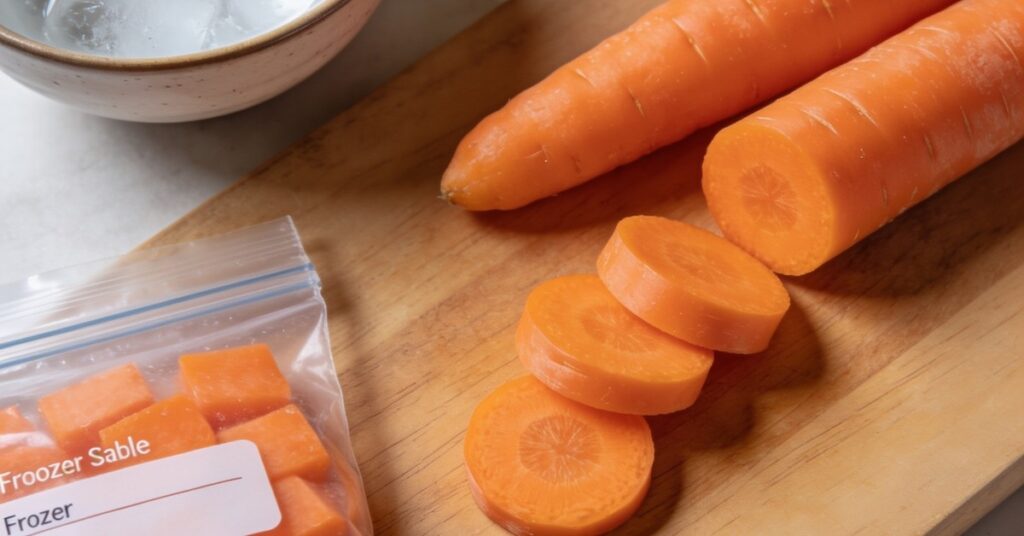
- Cut the carrots into your preferred shapes, such as coins or batons, ensuring they are roughly half an inch thick for uniform cooking.
The Blanching Process
Blanching is a critical step that must not be omitted, as it preserves the colour, texture, and nutritional value of the vegetables. Follow these steps:
- Bring a large pot of water to a vigorous boil, using approximately one gallon of water for every pound of carrots.
- Submerge the prepared carrots in the boiling water for two minutes. If you are blanching small, whole carrots, increase the time to five minutes.
- Immediately transfer the carrots to a bowl filled with iced water for the exact same amount of time they were boiled. This stops the cooking process instantly.
Drying and Freezing
Once the carrots have cooled, successful storage depends on removing excess moisture:
- Drain the vegetables well and pat them completely dry with a clean towel. This prevents the formation of ice crystals.
- Spread the pieces in a single layer on a baking sheet and perform a flash freeze for roughly two hours to ensure the pieces do not stick together.
- Transfer the chilled pieces into airtight, freezer-safe bags. Be sure to press out as much air as possible before sealing them tightly.
If you intend to use the carrots in recipes such as soups or purees, you may choose to thaw them fully before placing them in a food processor to reach the desired consistency.
The Best Way To Preserve And Flash Freeze Carrots
The most reliable way to freeze carrots while maintaining their structural integrity and nutritional profile is to slice them into uniform pieces and blanch them in boiling water before cooling them in an ice bath. This process halts enzyme activity that would otherwise lead to a loss of flavour, colour, and texture during long-term storage in your freezer. By flash-freeze techniques on a tray, you prevent them from clumping together, which allows you to retrieve only the amount you need for a specific meal, thereby reducing food waste and ensuring consistent portion control. Understanding how to freeze carrots correctly is an essential skill for any patient managing a restricted or specialised diet, as it transforms fresh, seasonal produce into a safe, shelf-stable component of your daily nutrition plan. I have found that keeping a well-stocked freezer is one of the best ways to avoid the stress of last-minute meal preparation, especially on days when your energy levels are lower than usual.
Optimal Blanching And Freezing Of Carrots
Blanching is the gold standard for preparing vegetables for the freezer because it sanitises the surface and locks in essential vitamins that are crucial for patients recovering from digestive surgery. When preparing your carrots, you must use a ratio of one gallon of water per one pound of carrots to ensure the water temperature does not drop significantly when the vegetables are added, which is vital for an even cook.
Step-By-Step Blanching And Freezing
To achieve the perfect texture, boil your sliced or diced carrots for exactly two minutes, while small whole carrots should be boiled for five minutes to ensure the heat penetrates the centre. If you prefer to use lengthwise strips, these should also be boiled for two minutes. Immediately after the timer sounds, plunge the carrots into a bowl of ice-cold water for a duration equal to the boiling time to halt the cooking process instantly. When packaging your cooled carrots, always leave at least 1/2-inch of headspace in your freezer-safe bags or containers to allow for expansion, which prevents the seals from breaking.
Preparation Checklist For Carrots For Freezing
- Wash carrots thoroughly to remove all soil residues.
- Peel the skin to reduce bacterial load and improve texture.
- Slice into uniform 1/4-inch coins for consistent cooking time.
- Blanch immediately to preserve nutritional value.
- Dry completely with a clean towel before the freezer stage.
Freezing Carrots Without Blanching
You can freeze carrots without blanching if you are short on time, though this method is best suited for shorter storage durations and may result in a slightly different texture upon thawing. To prepare them this way, wash, peel, and cut the carrots into coins or shred them, then pat every piece dry with a clean towel to remove all surface moisture. Spread these pieces in a single layer on a parchment-lined baking sheet and flash freeze the tray for one to two hours until the pieces are hard. Once frozen solid, transfer them into airtight, freezer-safe bags, pushing as much air out as possible before sealing and labelling the bags with the current date to ensure you consume them within the ideal two to three-month window. Many patients wonder if specific nutrients are safe, but in my experience, sticking to the guidance of the transplant team is the best policy when deciding whether to skip the blanching step.
Guidelines For Raw Carrots And Shredded Carrots Storage
The longevity of your frozen vegetables depends heavily on the preparation method used, with blanched vegetables offering the most significant advantage for long-term supply. Ever wondered if this fits into your recovery plan? Post-transplant recovery is a journey, and managing your nutrition is a huge step toward getting back to normal life.
| Preparation Method | Maximum Shelf Life | Best Use Case |
|---|---|---|
| Blanched Carrots | 12 Months | Soups, stews, long-term storage |
| Raw/Unblanched | 2-3 Months | Quick additions, short-term |
| Cooked Carrots | 3 Months | Leftover meals |
Important: Always label your bags with the date of freezing so you can track the symptom duration of your pantry inventory and ensure you don’t keep items past their prime.
How To Use Frozen Carrots In Fully Cooked Carrots Dishes
Preparing ingredients specifically for soups and stews requires a careful balance of blanching and drying to ensure they integrate perfectly into liquid-based meals without becoming mushy. Slice your carrots into 1/4-inch thick coins or cubes and blanch them in boiling water for exactly two minutes before transferring them to an ice bath for another two minutes. It is critical to dry the carrots completely with a clean kitchen towel or paper towels after the ice bath, as excess water will form ice crystals that can ruin the texture of your stew. Once dry, flash freeze the pieces on a parchment-lined baking sheet for one to five hours until they are completely solid, then store them in freezer-safe bags or containers with all air removed to ensure they last for the full 12-month period. Learning how to freeze carrots specifically for soups is a game-changer for those who need to maintain a high-nutrient diet while managing the physical demands of recovery.
Thaw Frozen Carrots Properly
The safest way to thaw frozen carrots is to place them in the refrigerator overnight, which allows for a slow, controlled temperature transition that maintains the integrity of the vegetable. If you are in a rush, you can submerge the sealed plastic bag in a bowl of cold tap water, changing the water every 30 minutes until the carrots are soft. For those using the microwave, stir the vegetables every 30 to 60 seconds during the defrosting cycle to ensure even heating. Importantly, you can add frozen carrots directly to boiling water, soups, or roasting pans without any prior thawing, which is the most convenient method for many patients. Never use warm or hot water to thaw, as this can encourage bacterial growth, and always pat thawed carrots with a clean paper towel to remove extra water before use. Once fully thawed, never refreeze carrots, as the repeated cycle of freezing and thawing compromises both safety and quality.
Frequently Asked Questions
Can I freeze shredded carrots for later use?
Yes, you can freeze shredded carrots by flash freezing them on a tray first to prevent clumping. Ensure they are completely dry before freezing to maintain the best quality for your recipes.
Is it safe to freeze raw carrots without blanching them first?
It is safe, but you should consume unblanched raw carrots within two to three months for the best flavour. Blanching is generally preferred for longer storage and better maintenance of nutritional quality.
What is the most effective way to thaw frozen carrots for a quick meal?
The most effective method is adding them directly to your boiling soup or stew without thawing. This saves time and prevents the texture from becoming too soft due to the defrosting process.
How can I tell if my frozen carrots have suffered from freezer burn?
If you see heavy ice crystal formation or the carrots appear discoloured or shrivelled, they have likely suffered from freezer burn. While safe to eat, the quality and taste may be significantly reduced.
Proper preparation of your vegetables at home allows you to take control of your nutritional intake, which is an invaluable asset when navigating the complexities of intestinal health. Always utilise a thorough ice bath after blanching to lock in the vitality and texture of your carrots for the months ahead.