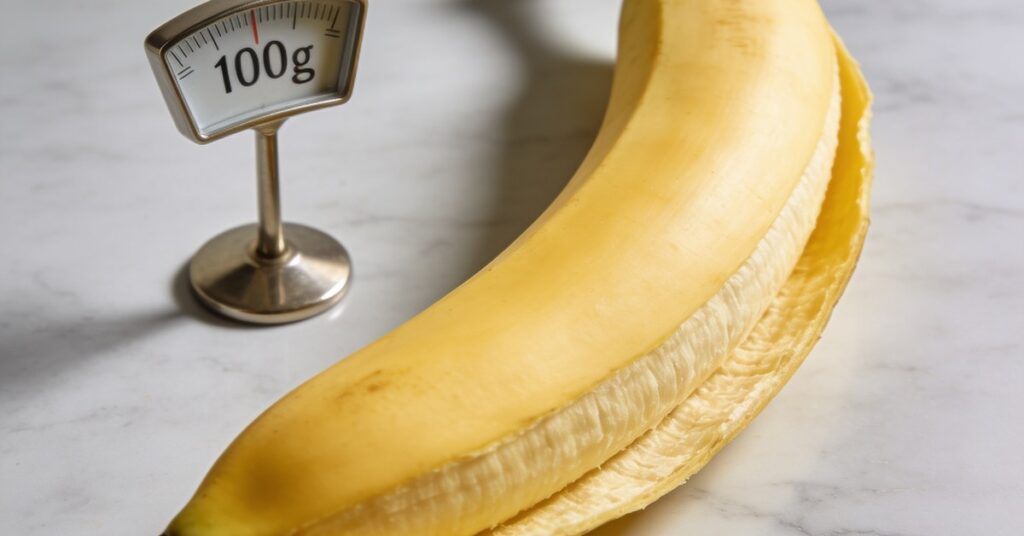
For patients navigating the complexities of intestinal transplantation or chronic digestive conditions, precise dietary choices are fundamental to maintaining recovery and metabolic stability. This guide provides a clinical breakdown of 100g banana nutrition, offering you reliable data on carbohydrate, fibre, and glycemic impact to help you make informed decisions for your digestive health. By understanding how the ripeness and portion size of this staple fruit affect your body, you can better manage your daily intake with confidence and safety.
A 100g serving of banana provides 89 calories and serves as a nutrient-dense, easily digestible option for those recovering from intestinal surgery. This specific portion size contains 22.8g of carbohydrates, 12.2g of natural sugars, 1.1g of protein, and 0.3g of fat, while delivering 358mg of potassium and 8.7mg of vitamin C to support essential electrolyte balance and immune function during your recovery journey.
100g banana nutrition
When considering the nutritional profile of a 100g serving of raw banana, one can expect an efficient source of natural energy, totalling approximately 89 calories. This fruit is primarily composed of water, accounting for about 75% of its total mass, whilst providing a balance of essential macronutrients and micronutrients that contribute to daily dietary requirements.
Nutritional composition per 100g
The standard composition for 100g of fresh banana typically includes the following values:
- Energy: 89 kcal
- Total Carbohydrates: 22.8g
- Dietary Fibre: 2.6g
- Total Sugars: 12.2g
- Protein: 1.1g
- Total Fat: 0.3g
Key micronutrients and vitamins
Bananas are widely recognised for being a nutrient-dense snack, particularly noted for their high potassium content. The typical micronutrient breakdown per 100g includes:
- Potassium: 358 mg – 422 mg
- Vitamin C: Approximately 8.7 mg
- Vitamin B6: Approximately 0.4 mg
- Magnesium: Approximately 27 mg
Serving size variations
Whilst 100g is a standard metric for nutritional analysis, bananas come in various sizes which influence the total calorie and nutrient count per piece. Common serving sizes include:
- Extra small (less than 6 inches in length)
- Small (6 to 6-7/8 inches in length)
- Medium (7 to 7-7/8 inches in length)
- 1 ounce portions
As one of the most popular fruits globally, the banana is frequently consumed for its convenience and quick energy release. For those seeking highly precise and verified data regarding specific micronutrients, it is recommended to consult the USDA FoodData Central database.
Nutritional Profile and Banana Nutrition Facts
The nutritional profile of a banana is defined by its ability to provide quick-release energy alongside essential micronutrients without placing undue stress on the gastrointestinal tract. Each 100g serving acts as a reliable source of minerals, which is critical for patients who may suffer from electrolyte depletion due to malabsorption or the side effects of immunosuppression.
| Nutrient | Amount per 100g |
|---|---|
| Calories | 89 kcal |
| Total Carbohydrates | 22.8g |
| Natural Sugars | 12.2g |
| Dietary fiber | 2.6g |
| Potassium | 358mg |
Carbohydrate Load, Carbs, and Sizes of Bananas
The total carbohydrate content in a banana is directly proportional to its physical size, which is a vital consideration for patients tracking their daily intake for metabolic control. Ever wondered if that extra-large banana is throwing off your blood sugar targets for the afternoon? Understanding the nuances of 100g banana nutrition helps you adjust your portion size to match your specific metabolic requirements.
Practical Guide to Managing Intake
Adjusting your banana intake based on size is a practical way to maintain consistent carbohydrate levels throughout your day. Use this quick reference guide to keep your intake on track:
- Extra-small (81g): 18.5g carbohydrates
- Small (101g): 23g carbohydrates
- Medium (118g): 27g carbohydrates
- Large (136g): 31g carbohydrates
- Extra-large (152g): 35g carbohydrates
Digestive Health, Resistant Starch, and Unripe Banana Characteristics
The digestive impact of a banana is primarily determined by its stage of ripeness, which dictates the type and amount of fiber present. A 100g serving typically provides 3.07g of dietary roughage, 1.2mg of sodium, and 0.39g of fat, making it an excellent low-residue food choice for those with sensitive bowels or an ostomy.
Selecting Ripeness for Gut Tolerance
Post-transplant recovery is a journey, and in my experience, learning to read your fruit’s ripeness is a huge step toward mastering your own gut comfort. Choose your banana stage wisely:
- Unripe (Green): High resistant starch; good for firming stools but can cause bloating.
- Ripe (Yellow): Balanced texture and digestibility; the „gold standard” for most.
- Overripe (Spotted): Lowest fibre; easiest to digest when your gut is having a „lazy” day.
Health Benefits, Calorie Content, and Glycemic Impact
The glycemic index (GI) of a banana, which ranges from 30 to 70, is the key factor in how a 100g serving will influence your blood sugar levels. A 100g serving of this fruit contains approximately 23g of total carbohydrates, 2.6g of dietary fibre, and 12g of natural sugars.
Important: If you are managing post-transplant diabetes, always opt for slightly greener bananas to keep your glycemic response lower (GI 40–50) compared to the quick spike seen with fully ripe fruit (GI 60–70).
Frequently Asked Questions
Can bananas help with medication-induced nausea?
Yes, the mild flavour and soft texture of a banana can often be tolerated when other foods trigger nausea. Its high potassium content also helps replace electrolytes lost if the nausea is accompanied by vomiting.
Are there specific times of day I should avoid bananas?
While there is no strict rule, some patients find that eating high-carbohydrate fruits later in the evening can impact sleep quality or morning blood sugar levels. Aim to consume your 100g banana nutrition during active parts of your day to better utilise the energy provided.
Do organic bananas differ significantly in nutritional value?
There is no major clinical evidence suggesting that organic bananas provide a vastly different calorie or carbohydrate profile compared to conventional ones. The benefit of organic produce for transplant patients often lies in the reduced exposure to chemical pesticides, which may be advantageous for those with compromised immune systems.
How long should I store bananas for optimal digestion?
Storage depends entirely on your current digestive needs, with greener bananas lasting longer on the counter and overripe ones needing immediate consumption or freezing. If you require a low-fibre diet, store them until they are well-spotted, as this indicates a higher sugar-to-starch conversion that is easier on the gut.
Fine-tuning your intake by matching fruit ripeness to your specific digestive needs is the most effective way to harness the benefits of 100g banana nutrition. Please remember to consult your transplant dietitian to ensure these choices continue to support your unique recovery journey with the safety you deserve.