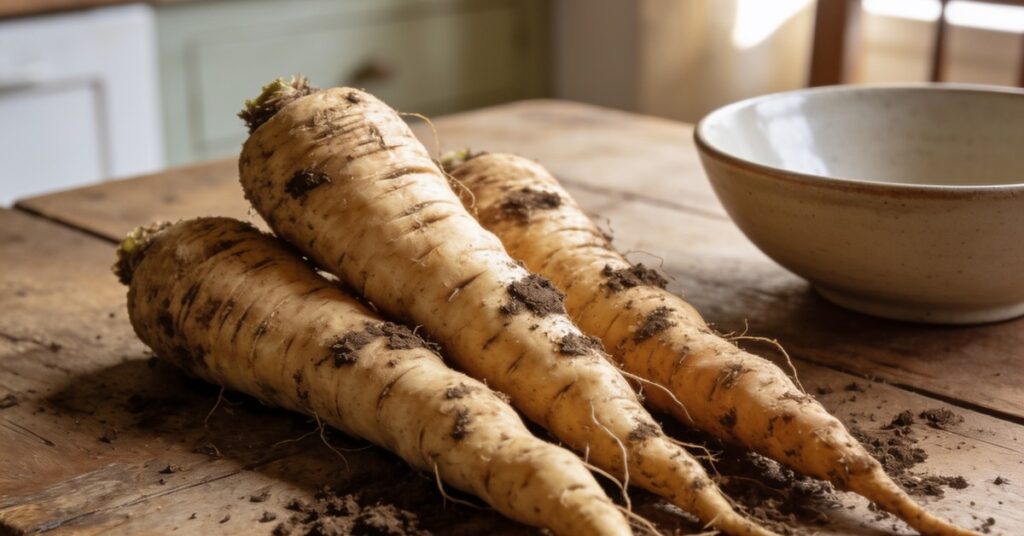
For those navigating the complexities of intestinal transplantation and digestive recovery, selecting nutrient-dense vegetables that align with your unique physiological needs is a vital component of long-term health. In this article, you will discover the essential nutritional profile of parsnips and learn evidence-based preparation methods designed to maximise nutrient absorption while ensuring they remain gentle on your digestive system. We provide this practical guide to help you confidently integrate this versatile root vegetable into your post-transplant diet safely and effectively.
Parsnips are a nutrient-dense root vegetable providing 55 calories per 80g serving, making them a balanced choice for individuals requiring steady energy intake during digestive recovery. When you examine the specific Parsnip Nutrition Facts, you will find a reliable combination of 13.3g of carbohydrates, 1g of protein, and 2.8g of fibre, which supports sustained metabolic function. By incorporating these into your meals, you gain access to vital micronutrients like Vitamin C and essential plant compounds that assist in the body’s natural healing processes.
Parsnip nutrition facts
Nutritional Profile of Parsnips
Parsnips are a nutrient-dense root vegetable that grows beneath the soil. These vegetables are an excellent source of dietary fibre, vitamin C, potassium, and an array of essential micronutrients that contribute to overall well-being. A 133-gram serving of raw, sliced parsnips typically offers approximately 100 calories, 24 grams of carbohydrates, 6.5 grams of fibre, and 1.5 grams of protein.
Detailed Nutritional Composition per 100g
When considering the standard nutritional values for a 100-gram serving, parsnips provide a balanced profile of macronutrients and vitamins essential for a healthy diet:
- Energy: 75 kcal
- Carbohydrates: 18 g
- Dietary Fibre: 4.9 g
- Sugars: 4.8 g
- Protein: 1.2 g
- Fat: 0.3 g
Essential Vitamins and Minerals
Parsnips are particularly noted for their high concentration of vitamins and minerals, which support various bodily functions:
- Vitamin C: 17 mg (approx. 19% of daily requirements)
- Vitamin K: 22.5 mcg (approx. 19% of daily requirements)
- Folate (Vitamin B9): 67 mcg (approx. 17% of daily requirements)
- Potassium: 375 mg (approx. 11% of daily requirements)
- Manganese: 0.56 mg (approx. 28% of daily requirements)
Key Health Benefits
Incorporating parsnips into your diet may lead to several positive health outcomes, including:
- Digestive Health: High levels of both soluble and insoluble fibre promote a healthy gut microbiome and aid in the prevention of constipation.
- Immune System Support: The significant vitamin C content assists the body in defending against illnesses and speeding up the healing of wounds.
- Cardiovascular Well-being: Adequate potassium intake helps to relax blood vessels, which can assist in maintaining healthy blood pressure levels.
- Disease Protection: Regular consumption is associated with potential protective effects against fungal infections.
- Wellness Effects: Parsnips are often noted for their calming properties and their ability to help regulate bodily functions.
In summary, parsnips are an exceptionally nutritious root vegetable that serves as a cornerstone for a balanced diet, offering a wide range of vitamins, minerals, and digestive benefits.
Nutritional Profile and Health Benefits of Parsnips
The primary nutritional value of parsnips lies in their diverse profile of vitamins, minerals, and bioactive compounds that promote cellular health and systemic wellbeing. Each serving delivers 10.1mg of Vitamin C, which is essential for immune function and tissue repair in patients recovering from complex gastrointestinal surgeries. Furthermore, the presence of folate (Vitamin B9) supports ongoing cellular growth, while the natural potassium content acts as a vasodilator, helping to regulate blood pressure levels effectively. Many patients find that understanding these Parsnip Nutrition Facts helps them feel more in control of their daily dietary choices, as they can see exactly how the vegetable fuels their recovery.
Beyond the basic vitamin content, parsnips contain a unique active plant compound known as falcarinol. This specific compound has been linked in various studies to antioxidant and anti-inflammatory properties, which can be particularly beneficial for those managing chronic gastrointestinal inflammation or post-operative recovery. By providing a stable source of energy and these protective compounds, parsnips serve as a functional addition to a diet designed to support gut integrity and long-term health outcomes.
Glycaemic Impact and Digestive Health
Parsnips influence blood sugar levels with a glycaemic index (GI) ranging from 52 to 60, positioning them as a medium GI food that requires mindful portion control. For patients monitoring their glycaemic load, each 100g serving contributes between 10 and 12 units to the daily total, placing them within the classification standards set by Diabetes UK. It certainly can fit into your recovery plan, provided you keep the portions in check and understand the underlying Parsnip Nutrition Facts that dictate how your body processes these carbohydrates.
Managing Portions for Optimal Fibre and Digestive Health
To maintain stable blood glucose levels while enjoying this vegetable, the recommended serving size is 1/2 cup of cooked parsnips. Because raw parsnips contain 18g of carbohydrates and 4.9g of fibre per 100g, portioning is key to preventing rapid spikes in glucose absorption.
- Consult your dietitian regarding your specific carbohydrate tolerance.
- Monitor your daily intake using a simple food diary to track gut response.
- Pair parsnips with lean protein to slow down sugar absorption.
Comparative Analysis: Nutrient Density and Aid Weight Goals
When comparing root vegetables, parsnips are often a better choice for those needing extra energy. Here is a quick breakdown to help you decide which belongs on your plate:
| Nutrient/Metric (per 100g) | Parsnips | Carrots |
|---|---|---|
| Energy (kcal) | 75 | 41 |
| Fibre (g) | 4.9 | 2.8 |
| Protein (g) | 1.2 | 0.9 |
| Water Content (g) | 79.53 | 88.29 |
Cooking Methods to Retain Vitamin and Soluble and Insoluble Fibre
Cooking parsnips properly is essential for both nutrient retention and digestive ease, with roasting, steaming, and microwaving being the most effective methods to minimise water-soluble nutrient loss. Post-transplant recovery is a journey, and managing your nutrition is a huge step toward getting back to normal life; in my experience, keeping things simple and well-cooked is the best way to avoid unnecessary gut irritation. When you are looking for ways to improve your gut tolerance, remember that how you cook this vegetable matters just as much as the vegetable itself.
- Preheat oven to 400°F–425°F.
- Scrub young parsnips thoroughly to keep beneficial nutrients in the skin.
- Roast for 35–45 minutes until tender.
- If boiling, simmer for 20–25 minutes and save the liquid for a nutrient-rich stew or soup base.
Important: Always ensure the vegetable is cooked until fork-tender, as raw or undercooked root vegetables can be difficult to digest during the early stages of graft function recovery.
Frequently Asked Questions
Can parsnips be used in a low-residue diet?
Parsnips are generally not recommended for a strict low-residue diet due to their fibre content. You should peel them thoroughly and cook them until they are extremely soft or pureed if your medical team allows their inclusion.
Do parsnips interact with immunosuppressant medications?
There are no known direct interactions between parsnips and common immunosuppressants. However, always verify any new dietary addition with your transplant coordinator to ensure it does not interfere with your specific recovery protocol.
Is the fibre in parsnips considered soluble or insoluble?
Parsnips contain a healthy mixture of both soluble and insoluble fibre types. This combination is excellent for general gut health, but it necessitates careful monitoring if you have specific restrictions regarding bowel motility.
Are canned parsnips as nutritious as fresh ones?
Canned parsnips may lose some water-soluble vitamins during the processing and canning stages. Freshly prepared, properly cooked parsnips remain the superior choice for maintaining nutrient density in your post-transplant menu.
Incorporating parsnips into your recovery plan is a smart way to boost your daily nutrient intake, provided you cook them thoroughly to ensure they remain gentle on your digestive tract. Always prioritise slow, well-cooked preparation methods and consult your clinical team to ensure your vegetable choices perfectly align with your current stage of intestinal healing.