For those navigating the complexities of post-transplant recovery or chronic digestive health conditions, selecting and preparing vegetables that are both nutrient-dense and gut-friendly is a crucial part of daily management. In this guide, you will learn professional techniques for cleaning and cooking leeks to ensure they are soft, easily digestible, and safe for your specific nutritional needs. By following these evidence-based preparation methods, you can confidently integrate this versatile allium into your diet while prioritising your long-term intestinal wellbeing.
To understand exactly How To Cook Leeks effectively for digestive health, you must focus on using only the white and light green parts, ensuring they are cleaned of all grit and cooked until fork-tender to minimise the burden on your gastrointestinal tract. Whether you choose to sauté, roast, or steam them, the goal is to break down the tough cellular structure of this vegetable, making it easier for your system to absorb its nutrients without causing unnecessary irritation or discomfort. Many patients wonder if specific nutrients are safe, but in my experience, sticking to the guidance of the transplant team regarding fibre intake is the best policy for long-term health.
How to cook leeks
Preparing leeks for the kitchen
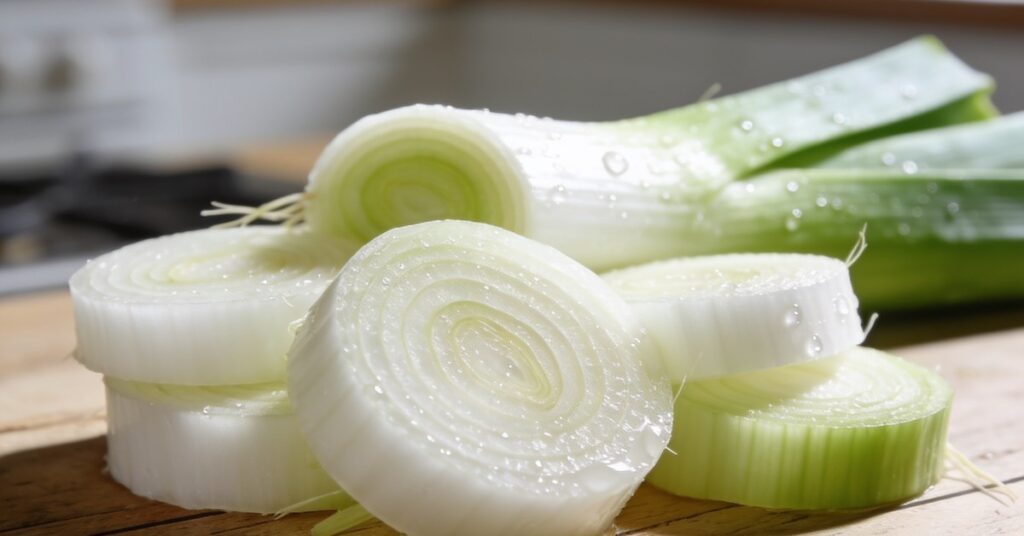
To successfully incorporate leeks into your culinary repertoire, thorough preparation is essential. Begin by trimming away the fibrous root end and the tough, dark green foliage at the top, retaining only the tender white and light green sections. Because grit and soil frequently settle between the layers, slicing the leeks into rounds or half-moons—followed by a rigorous rinse in a basin of cold water—is a vital preparatory step to remove any lingering debris before drying them thoroughly.
Recommended cooking techniques
There are several professional methods to transform leeks into a delicious dish. Whether you prefer a quick sauté or an oven-roasted caramelisation, the following techniques offer excellent results:
- Sautéing: Melt two tablespoons of butter or a splash of oil in a frying pan over medium heat. Introduce the prepared leeks with a generous seasoning of salt. Reduce the heat and cook gently for eight to ten minutes until they achieve a soft, tender consistency.
- Roasting: Slice the leeks into pieces approximately 2.5 centimetres in length. Toss them in a bowl with olive oil, sea salt, and black pepper. Place in an oven preheated to 220°C (425°F) and roast for 15 to 20 minutes until perfectly tender.
- Braising: Sear the leeks in a pan to establish colour, then add a small quantity of cooking liquid, such as vegetable stock or dry white wine. Cover the pan and allow the leeks to simmer on a low heat for roughly 15 minutes.
Pro tips for leek preparation
For those interested in efficient meal preparation, you may trim and slice your leeks the day before cooking. Should you find yourself needing to soften them rapidly, a quick pan-fry with a knob of butter and a splash of water is an effective method that yields excellent results in under five minutes. When braising, some chefs utilise a cartouche—a piece of parchment paper cut to the size of the pan—pressed directly over the vegetables to ensure even cooking.
Essential Methods to Clean Leeks and Prepare the Allium Family
Properly cleaning leeks is the most important step in preparing this Allium family member for a sensitive gut, as trapped soil and sand can cause significant irritation. Start by cutting off the stringy root end and the dark green leafy tops, as these parts are highly fiber-rich and difficult for a compromised digestive system to process. Peel away any bruised, slimy, or dirty outer layers that could harbour bacteria or impurities. My own journey has taught me that taking an extra minute to clean your produce thoroughly is a small price to pay for avoiding unnecessary digestive distress later in the day.
Step-by-step Guide to Clean Leeks
- Slice the leek in half lengthwise.
- Submerge the pieces in a large bowl of cold water.
- Agitate with your hands to release hidden dirt and sand.
- Fan open each layer under cold running water to flush away debris.
- Pat dry thoroughly with a clean kitchen towel.
Cooking Methods to Cook Leeks for Nutrient Absorption
Choosing the right method to Cook Leeks is a bit like managing your graft function—it all comes down to consistency and preparation. Boiling or steaming are particularly recommended, as they soften the vegetable thoroughly, which is essential for those who may have limited digestive capacity or are managing an ostomy. When you research how to prepare this Vegetable for a post-transplant menu, remember that heat is your best friend for breaking down plant cell walls.
How to Roast and Braise Leeks for Better Flavour
To Roast or Braise Leeks in the oven or on the hob transforms their flavour and makes them a delicious addition to your meal plan. Preheat your oven to 400°F–425°F (200°C), trim the dark green tops, and remove approximately ½ inch from the bottom of each stalk before slicing the white stalks in half lengthwise. Arrange the leeks in a single layer on a baking sheet, cut-side down, and toss them with olive oil, salt, and black pepper. Roast for 20 to 25 minutes until they are fork-tender and golden, or sear them in a pan with broth to Braise until they reach a delicate, melt-in-the-mouth consistency.
Expert Tips for Sautéed Leeks and Healthy Leek Recipes
Sautéed Leeks provide a flavourful way to incorporate this ingredient into your diet while maintaining a soft, palatable texture. Combine 2 tablespoons of butter with 1 tablespoon of olive oil in a skillet over medium heat, then reduce the heat to medium-low after adding the leeks to the pan. Cook for 8 to 10 minutes, stirring occasionally to achieve a light, golden brown caramelisation, and add minced garlic or lemon juice during the final 2 minutes of cooking for a nutrient boost. These Sautéed preparations are often featured in my favourite easy Leek Recipes for those who need simple, reliable comfort food.
Tracking Digestive Tolerance
Remember: Always introduce new vegetables slowly to your diet to monitor your individual tolerance, and keep a food diary to track how your body responds to different preparations.
Frequently Asked Questions
Are leeks considered a low-FODMAP vegetable?
Leeks are generally considered high-FODMAP, specifically due to their fructan content in the white bulb. You should consult your dietician before adding them to your diet to ensure they align with your specific digestive sensitivities.
Can I freeze leeks after they have been cooked?
Yes, you can freeze cooked leeks, but they are best used in soups or stews rather than as a standalone side dish. Ensure they are cooled completely and stored in an airtight freezer-safe bag to maintain their quality for up to three months.
How do I know if the leek has gone bad?
A leek has gone bad if it feels excessively slimy, develops dark mushy spots, or emits a sour, fermented odour. Always discard any produce that shows these signs of decay to prevent foodborne illness during your recovery period.
Is there a difference in nutrition between the white and green parts?
The white parts of the leek are more tender and contain a different concentration of phytonutrients compared to the fibrous green tops. While both are nutritious, the white portion is significantly easier to digest for those with compromised intestinal health.
Focusing on the white and light green portions while ensuring thorough cleaning and gentle heat application is the secret to safe consumption. Prioritise boiling or steaming to achieve the fork-tender consistency your digestive system needs to thrive during your recovery.