For patients recovering from intestinal transplantation or managing complex digestive conditions, incorporating high-quality, easily digestible proteins is essential for tissue repair and sustained energy. This guide provides evidence-based techniques for slow-cooking lamb, ensuring the meat achieves a tender, nutrient-dense consistency that minimises the mechanical workload on your digestive system. You will learn practical preparation methods, precise cooking temperatures, and safety tips to confidently integrate this nourishing meal into your recovery diet.
To understand how to slow cook lamb effectively, you must maintain a low, consistent temperature—ideally around 150°C in an oven or on the 'low’ setting of a slow cooker—for several hours until the internal temperature reaches 88°C–93°C. This method transforms tough collagen into succulent gelatin, creating a „fork-tender” texture that is significantly easier for a compromised digestive system to break down and absorb compared to high-heat cooking methods like grilling or frying. By using a liquid base such as stock and ensuring the vessel is tightly covered, you preserve the natural moisture of the meat, which is vital for patients who may struggle with dry or fibrous food textures.
How to slow cook lamb
Achieving melt-in-the-mouth, fall-apart lamb is best accomplished by selecting shoulder or leg cuts and employing a slow, low-temperature cooking technique. By creating a moist environment with aromatics and stock, you ensure the meat remains succulent throughout the process.
Selecting the meat
For the best results, source a 2 kg to 2.5 kg leg or shoulder of lamb, preferably bone-in. While both cuts work well, the shoulder is generally preferred for its higher fat content, which leads to a particularly juicy and tender final dish.
Essential ingredients and preparation
- Meat: A whole or half leg of lamb, or a lamb shoulder joint. Ensure your chosen cut fits comfortably within your pot or slow cooker.
- Aromatics: Enhance the flavour profile by using one quartered onion, a whole bulb of garlic halved horizontally, and several fresh sprigs of rosemary or thyme.
- Liquid: Incorporate 100 ml to 400 ml of beef stock, vegetable broth, or plain water into the pan to facilitate steam and moisture retention.
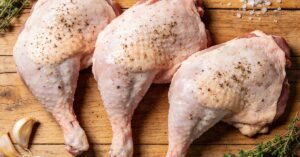
- Seasoning: Liberally rub the lamb with olive oil, sea salt, and freshly ground black pepper.
Cooking methods
There are two primary ways to slow cook your lamb to perfection:
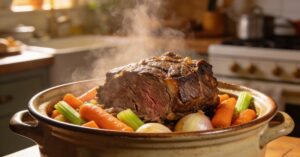
- Oven Method: Arrange the onions, garlic, and herbs at the base of a deep roasting tin. Position the seasoned meat on top, pour in your chosen liquid, and cover the tin tightly with foil. Roast at 150°C for approximately 4 to 4.5 hours. To finish, remove the foil and increase the oven temperature to 200°C for a further 20 minutes to achieve a lovely golden-brown crust.
- Slow Cooker Method: Place sliced onions and garlic at the bottom of the slow cooker bowl. Add the seasoned lamb and a splash of stock or water. Cover and cook on the 'LOW’ setting for 8 to 10 hours, or on 'HIGH’ for 4 to 5 hours, until the meat is tender enough to be shredded easily with a fork.
This forgiving method makes slow-cooked lamb an excellent choice for straightforward, stress-free dining, resulting in tender, flavourful meat every time.
Selecting the Best Lamb Cuts for Slow Cooker Recipes
The most suitable cuts for slow cooker recipes are those with higher amounts of connective tissue, such as lamb shoulder, shanks, neck, and the scrag end. When subjected to prolonged, low-heat cooking, these specific areas break down into a soft, nutrient-rich consistency that is far more manageable for those with intestinal sensitivities than leaner, more fibrous cuts.
| Lamb Cut | Best Suited For | Digestibility Rating |
|---|---|---|
| Shoulder/Neck | Slow-cooked stews | High (after long cooking) |
| Shanks | Braised dishes | High (very tender) |
| Breast/Ribs | Rich, fatty roasts | Moderate (requires trimming) |
For those seeking variety, lamb breast, chump, forequarter, and ribs are also viable options for the slow cooker. I’ve found that while these cuts offer excellent flavour, it is important for transplant patients to trim excess visible fat before cooking to help manage lipid intake and ensure the meal remains gentle on the gastrointestinal tract. This selection process is the first step in learning how to slow cook lamb in a way that aligns with your specific clinical needs for nutritional recovery and gut comfort.
Preparation Steps for a Roast Lamb Leg Recipe
Proper preparation for a roast leg of lamb recipe begins with selecting a bone-in lamb leg weighing between 1 and 2 kg, as the bone contributes essential minerals and moisture to the cooking environment. By cutting small slits into the thickest parts of the meat and stuffing them with sliced garlic cloves and sprigs of fresh rosemary, you ensure that aromatics permeate the muscle fibres, enhancing both the flavour and the tenderisation process from the inside out.
Creating an aromatic bed at the bottom of your vessel is a critical step for protecting the meat and infusing it with flavour without adding heavy oils. Place sliced brown or red onions and a halved head of garlic at the base, then add 0.5 cups of water or beef broth. This creates a gentle steaming environment that prevents the meat from scorching and ensures the final result is succulent and easy to digest.
Seasoning and Searing for Slow Roasted Lamb
Searing your lamb before the slow roasted lamb process is a foundational step that locks in natural juices and creates a depth of flavour through the Maillard reaction. Start by patting the meat thoroughly dry with paper towels; moisture on the surface prevents effective browning. Rub the lamb with a light coating of olive or vegetable oil and season liberally with coarse salt, black pepper, and complementary herbs like rosemary, thyme, oregano, or sage.
Once seasoned, preheat a heavy skillet on high heat with a tablespoon of oil and sear each side for 2 to 4 minutes until the surface turns a deep golden brown. This quick-searing process not only improves the final texture but also allows you to deglaze the pan with a splash of stock or wine. Incorporating these deglazed pan juices into your slow cooker adds a rich, nutrient-dense foundation to your meal, which is particularly beneficial for patients who may have reduced appetites and need to maximise the nutritional density of each bite.
Mastering the Slow Cooker Lamb Roast Method
The slow cooker lamb roast approach is ideal for a hands-off, consistent cooking experience, requiring you to place 1 chopped onion, 4 sliced garlic cloves, and fresh rosemary into the pot along with your 1–2 kg of meat. Pour in 300 ml of lamb or beef stock and cook on the LOW setting for 4.5 to 10 hours. For a complete, balanced meal that simplifies digestion, you may add 1 kg of baby potatoes, which soften beautifully in the lamb juices.
If you prefer an oven-roasted method, use a larger 2kg–2.5kg joint of lamb shoulder or leg placed over a bed of onions, garlic, and herbs like rosemary and thyme. Pour 500ml of beef stock or water into the roasting pan and cover it tightly with foil to trap the moisture. Roast at 150°C (Gas Mark 2) for 4 to 5 hours, removing the foil for the final 30 minutes if you prefer a slight crispness to the exterior. Always remove the meat from the fridge at least one hour before cooking to ensure the joint reaches room temperature, which promotes even cooking throughout the dense muscle tissue.
Determining When the Roast Leg is Done
You can confirm the roast leg is perfectly cooked when the internal temperature reaches between 88°C and 93°C (190°F to 200°F), ensuring the meat is safe and adequately softened for digestion. Physically, a sharp fork or skewer should glide into the thickest part of the meat like butter, and the bone should slide or twist loose from the surrounding meat effortlessly.
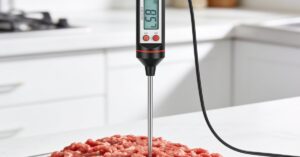
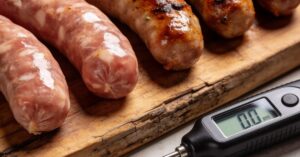
Important: Always use a food thermometer to check the internal temperature, as visual cues can be deceiving when dealing with thick joints of meat.
When testing for the required tenderness, two forks should be able to shred or separate the meat instantly with no effort. It is advisable to start checking the lamb for these signs after approximately three hours of cooking time. Note that a bone-in leg of lamb typically requires four hours of oven roasting at 150°C, while a general slow roast may require 4 1/2 hours at 170°C (150°C fan-forced) to achieve these optimal results.
Creating Nutrient-Dense Gravy for Easy Mid-Week Meals
A high-quality gravy for your easy mid-week meal can be created using 1 1/4 cups of the roast lamb pan juices, which are packed with extracted protein and minerals. To thicken this liquid, mix 1 to 2 tablespoons of cornflour with a small splash of cold water to create a slurry, then cook this in the simmering juices for 2 minutes. This method provides a smooth, easily swallowed consistency that is gentle on the oesophagus and stomach.
Alternatively, you can create a roux-based gravy by using equal parts butter and plain flour, then gradually whisking in the warm lamb juices to prevent lumps from forming. Ever wondered if your gravy is too heavy? Straining the liquid through a fine mesh strainer to remove any remaining herb stems, garlic skins, or potential bone fragments ensures the sauce is completely smooth and safe for consumption.
Frequently Asked Questions
Can I cook a leg of lamb if I am on a low-fat diet?
Yes, you can cook a leg of lamb on a low-fat diet provided you meticulously trim all visible subcutaneous fat before the slow-cooking process begins. Using a lean leg cut rather than shoulder will significantly reduce the rendered fat content, making it more suitable for restrictive dietary plans.
Is it possible to use leftover slow roasted lamb for future meals?
Certainly, leftover slow roasted lamb is a versatile ingredient that stores well when kept in an airtight container with some of the cooking juices. Ensure you reheat the meat gently on the hob until piping hot to maintain its tender, easy-to-digest texture for your next meal.
Should I use fresh rosemary and garlic for every lamb leg recipe?
Using fresh rosemary and garlic is highly recommended for any lamb leg recipe because these aromatics provide significant flavour without the need for high-sodium seasoning blends. They are generally well-tolerated and provide natural antioxidants that are beneficial for overall gut health during recovery.
How does slow cooker lamb leg compare to roasting in an oven?
A slow cooker lamb leg generally results in a more uniform, shredded consistency that is ideal for those requiring softer food textures compared to the crisper exterior achieved by oven roasting. Both methods are effective, but the slow cooker is often preferred for its convenience and ability to maintain moisture over longer periods.
Mastering how to slow cook lamb provides a reliable way to maintain your protein intake while ensuring the meal is gentle on your graft function and digestive system. Always aim for an internal temperature of at least 88°C, as this ensures the connective tissue has fully softened into the tender, easily digestible state your recovery requires.