Navigating daily nutrition is a critical component of long-term recovery for those managing intestinal failure or post-transplant health, where balancing convenience with physiological tolerance is essential. In this article, you will discover a curated selection of Easy Lunch Ideas designed to support your digestive stability, energy levels, and nutritional goals. We provide evidence-based, practical strategies to help you prepare safe, reliable meals that respect your unique gastrointestinal requirements.
The most effective strategy for managing lunch when dealing with digestive sensitivities is to prioritise nutrient-dense, easily digestible whole foods that can be assembled with minimal effort. By focusing on lean proteins, soft-cooked vegetables, and simple complex carbohydrates, you create a lunch foundation that reduces the risk of post-prandial discomfort while ensuring you meet your daily macronutrient targets. Whether you are at home or work, the goal is to choose ingredients that are gentle on the gut, such as poached or rotisserie chicken, tinned fish, and well-cooked legumes, which provide vital building blocks for healing without placing undue stress on your digestive system. These Easy Lunch Ideas serve as a practical blueprint for maintaining consistent energy while respecting the delicate nature of your recovery.
Easy lunch ideas
Quick and Simple Midday Meals
Preparing a nutritious lunch does not need to be time-consuming. Many satisfying meals, such as vibrant wraps, hearty toast, and refreshing salads, can be assembled in fifteen minutes or less. These options are perfect for those who require a fast, healthy energy boost during a busy day.
Recommended Lunch Suggestions
- Roasted squash, coconut, and miso soup.
- Pasta dishes, including chicken pasta salad.
- Tuna and sweetcorn pasta combinations.
- Turkey and hummus wraps.
- Deconstructed adult lunchables involving cheese cubes, wholegrain crackers, deli meats, and fresh fruit or raw vegetables.
- Avocado toast topped with fresh tomato slices, seasoning, and a drizzle of olive oil.
- Lentil soup.
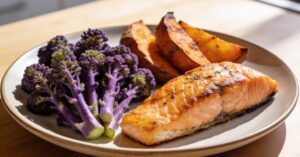
- Poached salmon served with a crisp cucumber salad.
- Egg salad served on wholegrain bread.
- Tuna melt sweet potato, cooked in the microwave and stuffed with cheese.
- Air-fried quesadillas filled with beans or leftover chicken.
Preparation Tips
Using seasoned tinned tuna is an excellent way to add instant flavour to your lunch without extra effort. For a convenient, portable meal, consider creating a 'lunchable’ box. Layering cheese, crackers, and vegetables provides a balanced no-cook option that is ideal for both adults and children when traditional sandwiches lose their appeal.
Refining Your Lunch Routine
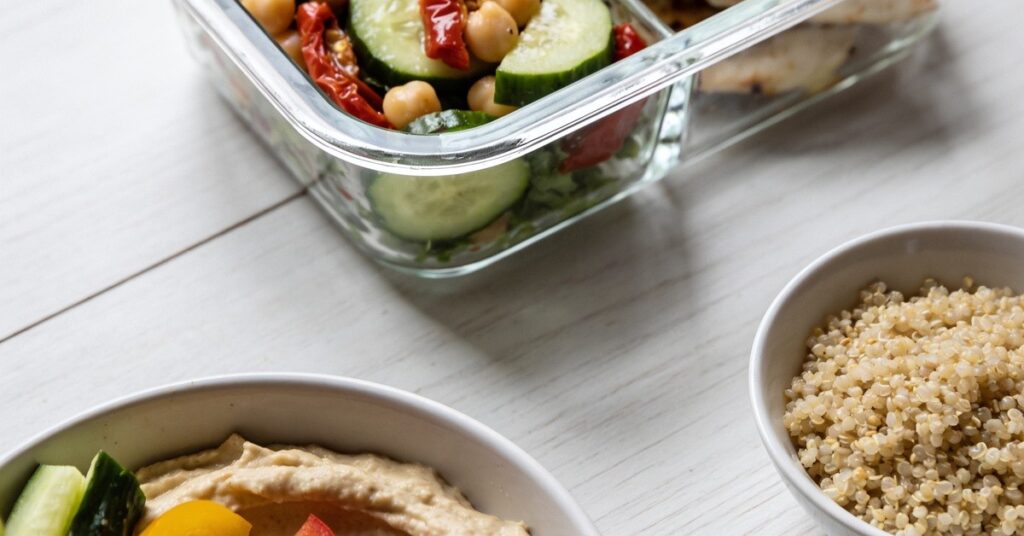
When assembling your meals, consider the vessel you use. Glass containers are highly recommended as they do not absorb odours or become stained, unlike their plastic counterparts. For those seeking a fresh, light approach, incorporating seasonal herbs and prawns can elevate a simple dish into an elegant summer lunch.
Step-by-Step Wrap Method
To prepare a balanced turkey and vegetable wrap, start by laying a whole wheat tortilla flat on a clean surface. Spread a generous layer of hummus across the base. Layer sliced turkey breast, fresh lettuce, and crisp cucumber slices on top. Roll the tortilla tightly to secure the ingredients, creating a portable meal that is rich in both protein and fibre.
Prioritising Digestion-Friendly Lunch Components and Salad Wrap Options
Selecting the right lunch components is the cornerstone of maintaining digestive health, particularly for those whose guts require a predictable and gentle intake of nutrients. When building a balanced plate, you should focus on high-quality, lean proteins like hard-boiled eggs, deli turkey, or tinned tuna, as these options are generally well-tolerated and provide essential amino acids needed for tissue repair and maintenance. Pairing these proteins with soft, low-fibre vegetables such as cucumber slices, baby spinach, or roasted red peppers helps to avoid the irritation that can be caused by harder, fibrous produce, ensuring that your meal is both nutritious and comfortable to digest.
The Role of Healthy Fats and Complex Carbohydrates in a Quick Lunch
Healthy fats and complex carbohydrates are essential for sustaining energy levels and supporting nutrient absorption in the small intestine. Incorporating avocado, hummus, or a drizzle of olive oil into your lunch provides the necessary caloric density and fat-soluble vitamin absorption, while options like sprouted grain bread, whole-wheat wraps, or quinoa offer a steady release of energy without causing rapid blood glucose fluctuations. Ever wondered if your current lunch choice is actually helping your recovery or just filling a gap?
| Nutrient Category | Best Choices for Gut Health | Items to Approach with Caution |
|---|---|---|
| Protein | Poached chicken, eggs, tinned tuna | High-fat processed meats, fried foods |
| Carbohydrates | Quinoa, white rice, sprouted bread | Raw fibrous grains, popcorn |
| Fats | Avocado, olive oil, hummus | Heavy creams, deep-fried snacks |
Streamlining Meal Prep for Work or School and Pasta Salad Success
For individuals balancing the demands of work or school, reliable meal prep is the most effective way to ensure consistent nutritional intake while avoiding the unpredictability of processed, store-bought convenience foods. By dedicating a small window of time to wash, chop, and portion your ingredients, you gain control over the quality and safety of your food, which is paramount for those recovering from intestinal transplantation. Many meals, such as a dense bean salad containing chickpeas, black beans, tomatoes, corn, and a jalapeño lime dressing, can be prepared in bulk, allowing you to access a nutritionally complete meal that remains fresh in the fridge for three to four days.
Efficient Batch Cooking and Safety for Chicken Salad and Pesto
Batch cooking is a highly efficient way to hit your protein targets, with soups providing an excellent medium for 15 to 25g of protein per serving and requiring only 20 to 30 minutes of active preparation time. When prepping, remember that food safety is non-negotiable; hard-boiled eggs are a versatile protein source that can be safely stored in the fridge for up to five days, making them ideal for „bistro boxes” alongside cheese cubes, crackers, grapes, and hummus. Post-transplant recovery is a journey, and managing your nutrition is a huge step toward getting back to normal life, so don’t cut corners on hygiene.
Important: Always ensure that your cold-chain management is strict, using insulated bags and ice packs if you are transporting meals to work to prevent bacterial proliferation, which is a significant risk for those on immunosuppression therapy.
Practical Easy Lunch Ideas for Diverse Needs Including Pita and Bagel
Adapting your lunch to your specific health goals, such as weight management or vegetarianism, requires a focus on nutrient-to-calorie density rather than just calorie restriction. For weight loss, a tofu and edamame stir-fry using 3 oz of firm tofu, ½ cup of shelled edamame, brown rice, shredded cabbage, and a soy-ginger dressing provides an impressive 28g of protein at approximately 380 calories, keeping you satiated while supporting muscle retention. If you are a vegetarian, you can achieve similar satiety through a Cuban-inspired black bean and plantain bowl, which combines rice, fried plantains, black beans, mango, and cilantro to provide a complex profile of vitamins and minerals. These Easy Lunch Ideas demonstrate that one can maintain strict medical requirements without sacrificing variety or taste.
Budget-Conscious Strategies for Omelette and Ciabatta
Maintaining a healthy, gut-supportive diet does not need to be expensive; many budget-friendly options can be assembled for under £2 per meal by utilising tinned staples. A tuna and chickpea salad, prepared with one tin of each, a squeeze of lemon, salt, pepper, and a dash of olive oil, is a cost-effective, high-protein powerhouse that is shelf-stable and requires zero cooking. For households with children, engaging them with DIY cracker stackers, which use whole-grain crackers, sliced cheese, and rolled deli turkey or ham, encourages them to participate in their own nutrition while providing a familiar and safe lunch option.
Safety Precautions for Intestinal Health and Air Fryer Use
While the convenience of these lunch ideas is undeniable, the primary concern for any patient managing intestinal health must always be the safety and tolerance of the ingredients. You should always observe how your body responds to new food combinations, especially when introducing high-fiber items like raw cabbage, carrots, or cashews found in dishes like a chopped chicken salad. If you have specific medical requirements, such as an ostomy or restricted transit time, ensure that raw vegetables are finely chopped or even slightly steamed to reduce the mechanical burden on your digestive tract.
- Consult your dietitian before starting any new meal prep routine.
- Monitor your daily intake and note any changes in graft function or digestive comfort.
- Keep a food diary to track how your gut responds to specific ingredients.
- Always prioritise hydration to assist with the absorption of your meal.
Frequently Asked Questions
Can I use an air fryer to prepare my lunch recipes?
Yes, an air fryer is a safe and efficient tool for roasting vegetables or cooking proteins like chicken, provided you avoid over-crisping foods that may become difficult to digest. Always ensure the internal temperature of meats reaches a safe level to protect your immune system.
How can I incorporate more veggie options without triggering discomfort?
You can increase your vegetable intake by choosing cooked, peeled, or deseeded varieties rather than raw, fibrous options. Start with small portions of soft-cooked courgettes or carrots to see how your system tolerates the increased volume of nutrients.
Is it safe to eat cold pasta salad or couscous after a transplant?
Cold pasta salad and couscous are generally safe, provided they have been stored at correct refrigeration temperatures and consumed within the recommended timeframe. Ensure any dressing used is light and does not contain high-fat ingredients that might cause dumping or gastrointestinal distress.
What is the best way to safely include feta or other cheeses in my lunch?
Feta and other cheeses can be included in moderation if you are not lactose intolerant and have been cleared to consume dairy by your clinical team. Always verify that the cheese is pasteurised to avoid the risk of foodborne pathogens.
Mastering your lunch routine is a practical step toward reclaiming your independence while managing the complexities of intestinal health. Prioritise consistent monitoring of your graft function alongside these meal strategies to ensure your nutritional intake remains perfectly aligned with your long-term recovery goals.