Mastering the preparation of pearl barley is a vital skill for patients navigating the complexities of post-transplant nutrition, as selecting easily digestible grains is essential for maintaining gut health and supporting long-term recovery. In this guide, I will provide you with evidence-based techniques for cooking pearl barley safely, ensuring you have the practical knowledge needed to incorporate this nutrient-dense ingredient into your daily routine with confidence. By following these clear, professional methods, you can achieve a consistent texture that aligns with your specific digestive requirements and dietary goals.
To learn how to cook pearl barley on the stovetop, you must use a ratio of 3 cups of water or broth to 1 cup of rinsed grain, simmer it for 25 to 30 minutes, and allow it to rest covered for 5 to 10 minutes before fluffing. This method ensures the grain reaches a soft, palatable consistency that is manageable for a sensitive digestive tract. Always begin by rinsing 1 cup of pearl barley in a strainer under cold water to remove excess surface starch, which can cause clumping and may be less comfortable for those managing intestinal absorption issues.
How to cook pearl barley
Stovetop Method
Cooking pearl barley on the hob is a straightforward process. To achieve the perfect texture, combine one cup of rinsed pearl barley with three cups of water or vegetable stock and a pinch of salt in a saucepan. Bring the liquid to the boil, then reduce the heat to low. Cover the pan with a tight-fitting lid and allow it to simmer for approximately 25 to 30 minutes until the grains are tender but retain a pleasant chewiness.
Preparation and Ratios
Unlike hulled barley, pearl barley does not require overnight soaking. Follow these steps for optimal results:
- Rinse the dry grains thoroughly under cold running water using a fine-mesh sieve to remove any dust or debris.
- Use a standard ratio of three cups of liquid (water, vegetable stock, or chicken stock) for every one cup of dry pearl barley.
- Add a generous pinch of salt to the pot before cooking to enhance the flavour.
The Resting Stage
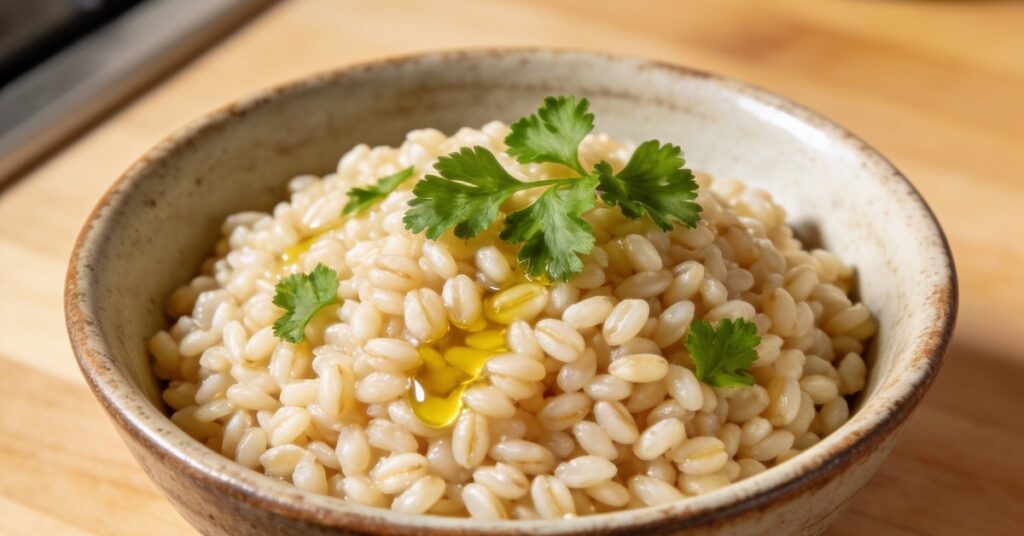
Once the simmering time has elapsed, check the barley. The grains should have absorbed most of the liquid and reached a soft, toothsome consistency. Remove the pan from the heat and allow the barley to rest with the lid on for an additional 5 to 10 minutes. If there is any excess liquid remaining, drain it away, then fluff the grains gently with a fork before serving.
Alternative Cooking Techniques
If you prefer different methods for preparing pearl barley, consider the following options:
- The Pasta Method: Boil the grains in a large pot of salted water without a lid. Cook for 20 to 25 minutes, then strain the barley through a colander.
- Pressure Cooking: Combine 1.5 cups of pearl barley with 3 cups of water and a tablespoon of olive oil or salt. Set your pressure cooker to high for 18 minutes, followed by a natural pressure release for 10 minutes.
Important Notes on Grain Types
Please note that these instructions are specifically tailored for pearl barley, which has had the outer husk removed and cooks relatively quickly. If you are using hulled barley, it is advisable to soak the dry grains in water for several hours beforehand to ensure they cook evenly and effectively.
Essential Preparation and Cooking Ratios for Pearl Barley
The fundamental rule for achieving the correct texture when you cook pearl barley is adhering to specific liquid-to-grain ratios that ensure the grain hydrates fully without becoming overly mushy. Ever wondered if your current kitchen setup can handle the precision required for these ratios?
| Cooking Method | Barley to Liquid Ratio | Consistency |
|---|---|---|
| Stovetop (Standard) | 1:3 | Soft/Fluffy |
| Stovetop (Firm) | 1:2.5 | Chewy |
| Rice Cooker | 1:2 to 1:2.5 | Consistent |
If you prefer a simpler approach, you can utilise the excess water method, which involves boiling the grain in an unmeasured amount of water for 25 to 30 minutes before draining the surplus liquid. This technique is particularly helpful for patients who find measuring complex or who need to ensure the grain is thoroughly cooked to a very soft state to aid digestion. Regardless of the method, always ensure you rinse your barley before cooking to ensure the cleanest possible result for your gut. Understanding how to cook pearl barley effectively starts with this fundamental commitment to preparation, as clean grains yield better digestive outcomes for those of us tracking every nutrient.
Diverse Methods and Tips for Cooking Pearl and Pot Barley
Cooking pearl barley on the stovetop is the most accessible method, requiring you to combine the rinsed grains and liquid in a medium pot, bring the mixture to a boil over high heat, and then reduce the heat to low. Once the heat is reduced, cover the pot with a lid and simmer for 25 to 30 minutes; after removing the pot from the heat, let it sit covered for 5 to 10 minutes to finish the steaming process. Finally, drain any remaining liquid and gently fluff the barley with a fork to ensure a light, airy texture that is easy to consume.
Automated Cooking for Barley Recipes and Mushroom Barley
For a more consistent, hands-off approach, you can prepare pearl barley in a rice cooker by using a ratio of 1 cup of grain to 2 cups of liquid, adding 1/2 teaspoon of salt and optionally 2 teaspoons of oil. Select the „Brown Rice” or „Grains” setting on your machine, and once the cycle ends, allow the barley to steam undisturbed for 10 to 15 minutes, which results in a total cooking time of approximately 40 to 50 minutes. Alternatively, an Instant Pot provides a highly efficient method for patients, requiring a 1:2 ratio of barley to liquid and a high-pressure setting for 18 to 20 minutes, followed by a 10 to 15-minute natural pressure release to ensure the grain is perfectly tender.
Understanding Cooking Times and Broth Usage in Barley Soup
The time required to cook pearl barley varies based on the method, with standard stovetop preparation taking 25 to 30 minutes and pressure cooking requiring only 18 to 20 minutes at high pressure. If you are incorporating the grain into a Pearl Barley Stew or a nourishing Barley Soup, you should expect a simmering time of 30 to 35 minutes to allow the flavours to meld and the grain to soften fully. It is important to note that if you are using Hulled Barley rather than Pearl Barley, the cooking time increases significantly, ranging from 45 minutes to one hour, as the bran layer remains intact.
Gauging Doneness and How to Make Fluffy Barley Salad
You can identify that your grain is perfectly cooked when the pearls have tripled in volume, exhibit a slightly milky colour, and have absorbed most of the cooking liquid. The texture should be soft enough to be easily digested, yet it should retain a subtle, chewy „bite” or al dente feel, which is characteristic of high-quality, properly prepared grain. If the grain feels too firm after 25 to 30 minutes, it may need a brief extension in the covered pot to allow residual steam to complete the softening process.
Enhancing Flavour for Risotto and Barley Salad
To make pearl barley more palatable, especially during periods of low appetite, consider boiling the grains in chicken, beef, or vegetable stock instead of plain water to add depth and essential nutrients. You can further elevate the flavour by sautéing the dry grains in a little olive oil or butter for two to three minutes before adding your liquid, or by tossing in a smashed garlic clove, a bay leaf, or fresh thyme during the simmer. Once cooked, stirring in fresh lemon or lime juice, extra virgin olive oil, or herbs like chopped fresh parsley, scallions, or basil can provide a refreshing lift, or you can prepare a „barley-otto” by incorporating butter, parmesan cheese, and mushrooms for a more substantial meal.
Safe Storage and Reheating Practices
Proper storage is essential for maintaining the safety and nutritional integrity of your meal, so ensure you seal your cooked pearl barley in an airtight container within two hours of cooking. In my experience, post-transplant recovery is a journey, and managing your nutrition is a huge step toward getting back to normal life; batch cooking these grains can save you significant effort on days when your energy levels are lower.
Remember: Always reheat your barley until it is piping hot to ensure food safety, especially when managing immunosuppression or sensitivity to foodborne pathogens.
- Store in an airtight container within 2 hours of cooking.
- Refrigerate for up to 3-5 days or freeze in single portions for 1 month.
- Thaw frozen portions overnight in the fridge.
- Reheat on the stove with a splash of liquid or in the microwave in short bursts.
Frequently Asked Questions
Is pearl barley safe for those with severe digestive sensitivities?
While pearl barley is generally well-tolerated, it does contain fiber, so I always recommend that patients recovering from an intestinal transplant consult their clinical team or dietitian before introducing it to their diet to ensure it aligns with their specific bowel function and surgical recovery stage.
What should I monitor when introducing barley to my diet?
You should observe how your body responds to small portions regarding bloating or transit time, ensuring that the grain is thoroughly cooked to a soft consistency. It is also wise to keep a simple food diary to track any symptoms in relation to your graft function or medication schedule.
Can I prepare barley ahead of time for a salad?
Yes, you can cook the grains in advance, drain them well, and store them in the refrigerator to use in a cold salad once they have completely cooled. This is a convenient way to add complex carbohydrates and nutrients to your meals without the need for constant stovetop supervision.
Does the choice of liquid affect the nutritional value?
Using a high-quality bone or vegetable broth instead of plain water can significantly increase the mineral content of your meal, which is beneficial for recovery. Always check the labels of pre-made stocks to ensure they fit within your recommended sodium limits to avoid fluid retention.
Prioritising a thorough rinse and the correct simmering time is the most effective way to ensure your barley is gentle, safe, and nutritious for your sensitive digestive system. Trust in these foundational steps to support your recovery and bring a comforting, reliable source of energy back to your daily plate.